
Which festivals and big events should you not miss in Arras?
There are countless ways to discover Arras, but few are as lively as its festivals and major events. All year round, the prefecture of the Pas-de-Calais turns its Flemish squares, its Vauban citadel and its venues into open-air stages: huge summer concerts, one of the most popular Christmas markets in the North, autumn film festivals, circuses, flea markets and offbeat sporting events. This buzz is no side note, it is part of the Arras identity, drawing visitors from across the region every year and setting the pace of local life. This guide reviews the highlights season by season, to help you choose the right time to come and miss nothing of what makes the city tick. It does not aim to list everything exhaustively, but to give clear markers, telling the events of national scale apart from the more intimate fetes that make up the city's quiet charm.
Arras, a city that lives to the rhythm of its events
Few mid-sized towns offer a calendar as full as Arras. There is hardly a quiet moment: the spring terraces are barely out before flea markets, markets and the first open-air events follow, ahead of a summer that sees the city change scale. Autumn belongs to culture and to cinema in particular, with the Arras Film Festival, a keenly awaited date for regional film lovers that takes over the town-centre cinemas in November. Winter closes the year on the famous Christmas market, when the Grand'Place and the Place des Héros fill with wooden chalets and lights. This regularity rests on a local conviction: a town of art and history does not live on its heritage alone, it must also give people reasons to come back. The great Arras gatherings answer that ambition, blending popular culture and artistic ambition, free events and big ticketed line-ups, family audiences and demanding fans. For the visitor it changes everything: depending on the season you choose, you do not discover the same city. Another advantage is that the city stays easy to enjoy even when crowded, with a compact centre where everything connects on foot, sparing visitors the fatigue and long journeys that often spoil big gatherings elsewhere.
The Main Square Festival, the great summer music event
If only one event were to be remembered, it would surely be the Main Square Festival. Every early July, the Vauban citadel, a UNESCO World Heritage site, becomes a vast open-air stage and welcomes over several days some of the biggest names in international music, across every style. Attendance far exceeds the town's population and makes Arras, for one weekend, one of the capitals of contemporary music in northern France. Beyond the headliners, the whole city vibrates: hotels full, restaurants packed, a festive mood late into the night. Attending the festival in such a setting, among the star-shaped ramparts designed by Vauban, offers an experience few sites can match. To enjoy it with peace of mind, it is best to book accommodation well ahead, as availability melts away as soon as the line-up is announced, and to favour shuttles or parking on the outskirts rather than hoping for a space near the site. The Arras summer is not limited to this great musical gathering, but it is its peak, the one that puts the city on the map of the major festivals. The impact goes well beyond music, since shops, hotels and restaurants experience one of their best moments of the year over this period, proof that a successful festival feeds the whole local economy far beyond the stage.
The Christmas market and winter magic
When December comes, Arras dons one of the best-known Christmas markets in the Hauts-de-France. The Place des Héros, at the foot of the belfry, fills with wooden chalets offering crafts, decorations and gourmet specialities, while a tall tree and a big wheel bring a fairy-tale atmosphere to the heart of the Flemish architecture. The event draws visitors from across the region and sometimes from Belgium, won over by the unique backdrop of the illuminated Baroque facades. It is a highlight at once commercial and popular, where you stroll as much as you shop, a hot chocolate in hand. The market runs over several weeks, leaving time to come back, by day for the family atmosphere and in the evening for the magic of the illuminations, two very different faces of the same event.
The belfry and squares lit up
The market's magic lies first in its heritage setting. Few Christmas markets can rely on an architectural whole as coherent as the two squares of Arras, whose gabled facades and seventy-five-metre belfry lend themselves to spectacular lighting. After dark, the illuminations turn the walk into a genuine show, much photographed, giving the market an instantly recognisable visual identity and setting it apart from the more anonymous events of the larger neighbouring cities. Listed as a UNESCO World Heritage site among the belfries of Belgium and France, the building becomes at this time one of the most shared photographic subjects in the region, an image asset few rival markets can claim.
Chalets, crafts and winter treats
In terms of content, the market strikes a balance between local craftsmanship and edible pleasures. You can hunt for gift ideas and creations by regional artisans, but also the staples of the cold season, from mulled wine to the sweet specialities of the North. Families come for the big wheel and the atmosphere, food lovers for the stalls, decoration fans to find the missing piece. It is also a chance for the town-centre shops to extend the celebration beyond the chalets, in pedestrian streets busy until evening. Many visitors take the chance to extend the walk towards the decorated shop windows of the commercial streets, turning the market into a starting point rather than a mere destination, and supporting town-centre trade in the heart of the festive season.
Shows, circus and family outings
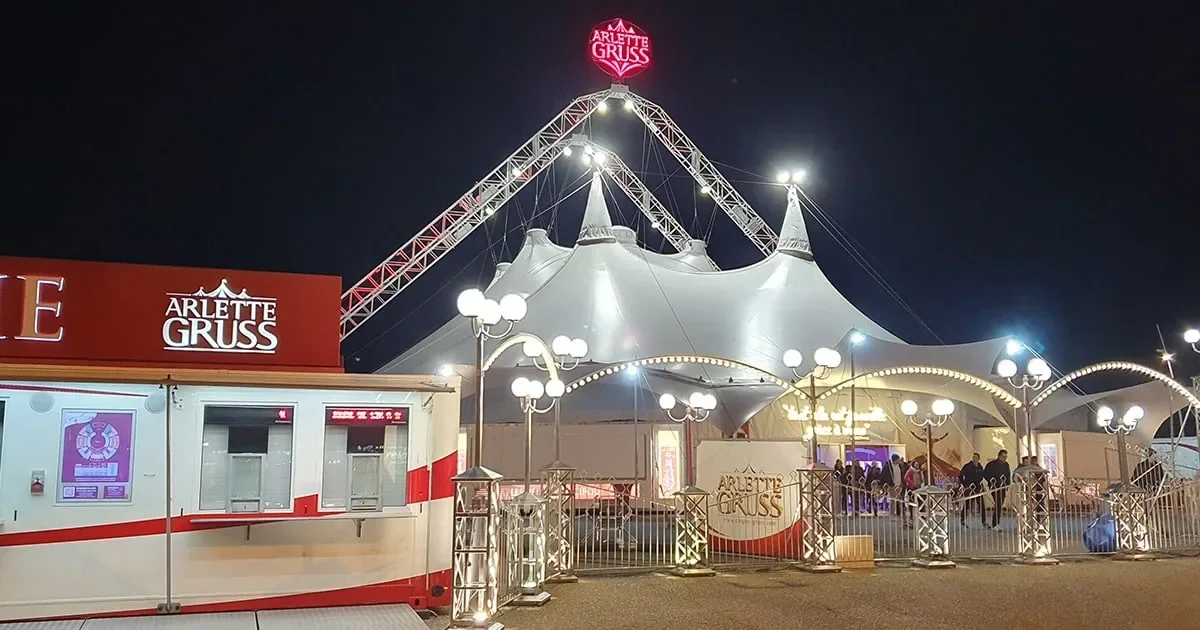
Arras does not forget younger audiences and families, for whom the city sets aside a fine place for the performing arts. Throughout the year, venues and big tops host theatre, live shows and, regularly, the circus in Arras, the chance for an extravagant show that delights young and old. These events, often scheduled during school holidays, complete the offer of the major festivals with accessible, human-scale outings that keep culture alive day to day rather than on a single weekend of the year. The network of associations and the city's cultural facilities play an essential role here, offering a varied programme that reaches all ages. For a family passing through as much as for residents, it is the guarantee of finding, almost at any time, an outing suited to children without having to leave the city. This family dimension, less publicised than the summer headliners, contributes just as much to the reputation of Arras as a town where it is good to live and go out. It is also a way of building loyalty among a local audience that, from one outing to the next, gets into the habit of checking the local programme rather than looking elsewhere for entertainment. The prices, often moderate, and the closeness of the venues make these outings accessible to the greatest number, which matters in a city keen that culture should not be reserved for a few insiders.
| Season | Main event |
|---|---|
| Spring | Great 1st May flower market, flea markets and car-boot sales |
| Summer | Main Square Festival at the Citadel (early July) |
| Autumn | Arras Film Festival and cinema events (November) |
| Winter | Christmas market on the Place des Héros and illuminations |
Cinema, short films and a passion for images
The city keeps a special bond with the seventh art. Beyond the great autumn festival, which celebrates European cinema and brings directors and actors into the town-centre theatres, Arras hosts more confidential yet just as passionate events, devoted to short formats and to the genres that big festivals sometimes overlook. This cinephile vitality rests on lively venues and a loyal audience, making the city a regional meeting point for image lovers. Attending a screening in this context means rediscovering the spirit of real cinemas, that of discoveries and post-screening debates, far from the anonymous consumption of the multiplexes. For the curious visitor, these events offer an ideal way into Arras cultural life, often at very affordable prices and in a warm atmosphere where you meet as many regulars as festival-goers from elsewhere. This loyal following explains the longevity of events that, without big marketing budgets, spread by word of mouth and fill the venues season after season.
Sporting fixtures and offbeat challenges
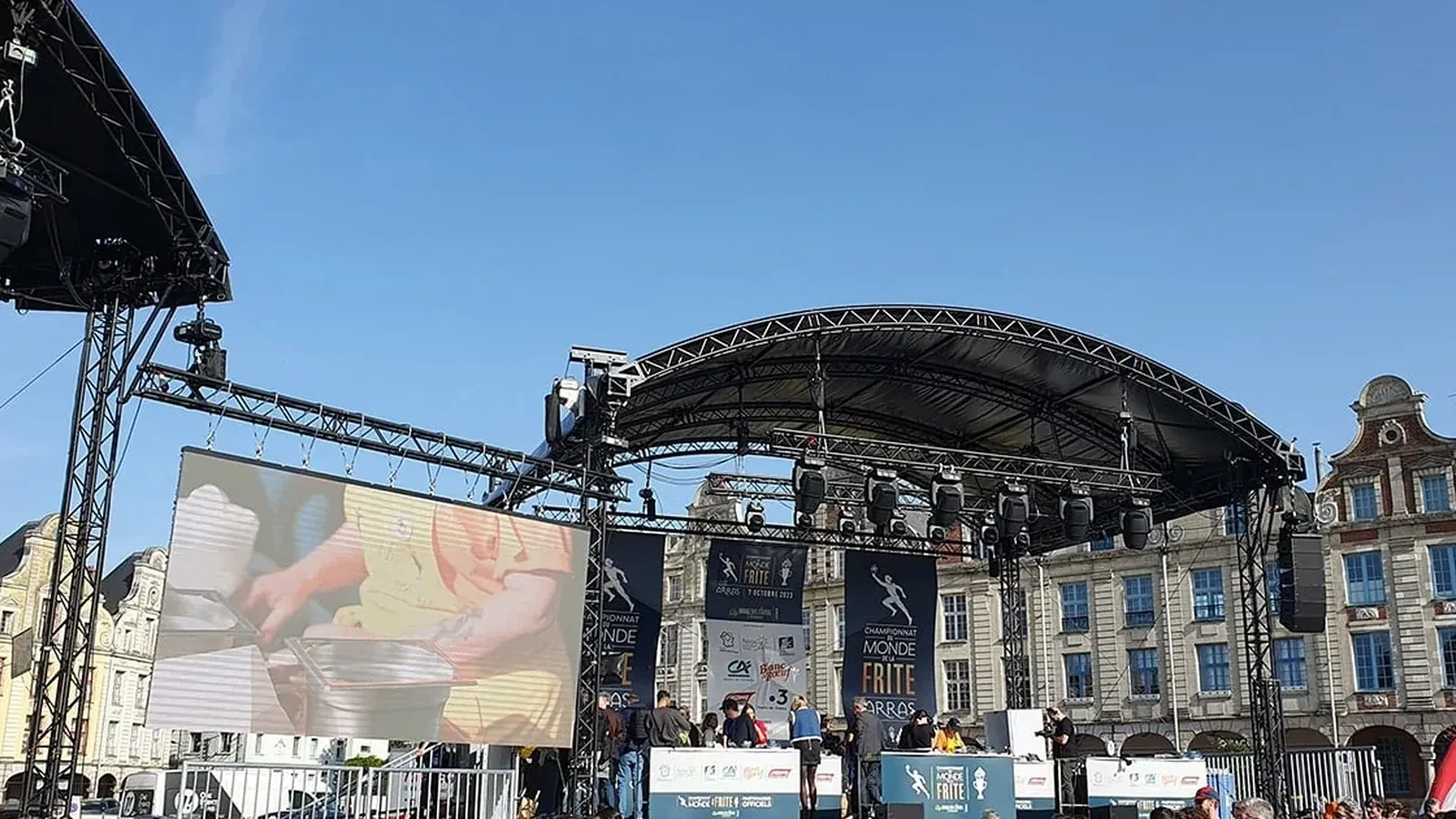
Arras also cultivates a taste for offbeat events, the kind that raise a smile as much as they bring people together. The city has made a speciality of quirky gatherings that celebrate the popular culture of the North, from the humble chip turned into a festive discipline to tournaments that gather amateurs and the curious. Alongside these good-natured challenges, the sporting calendar offers races, competitions and outdoor events that take over the squares, the ramparts and the banks of the Scarpe. These occasions, less famous than the big festivals, have the advantage of often being free and open to all, in a friendly atmosphere very typical of the Arras spirit. They are a reminder that a successful event is not measured only by the size of its poster, but by its ability to create bonds and give a reason to go out. For anyone wanting to experience the city like a local rather than a tourist, it is often these spontaneous, popular moments that leave the best memories. They also offer a chance to discover the city's quieter spots, from the banks of the Scarpe to the citadel glacis, which these events bring back to the heart of Arras life for a day.
Neighbourhood fetes and popular traditions
Beneath the high-profile events lives a host of neighbourhood fetes and traditions that make up the city's soul. Ducasses, street parties, fairs, flower markets and flea markets punctuate the calendar and mobilise associations, shopkeepers and volunteers. These local gatherings do not have the reach of an international festival, but they weave social bonds and keep alive old habits inherited from a Flemish culture where the popular celebration has always had its place. For the visitor, stumbling by chance upon one of these events is often a pleasant surprise, a chance to taste a speciality, hear a brass band or chat with residents proud of their town. These traditions are a reminder that Arras is not a frozen backdrop but a lived-in city, where events serve not only to attract outside crowds but first to keep a community alive. It is this authenticity, hard to put on a poster, that gives Arras celebrations their particular flavour and wins the loyalty of those who discover them. Many visitors in fact keep a sharper memory of these moments than of the big line-ups, because they saw the city as it truly lives, away from the spotlights and the queues. They also pace the community year, giving newcomers an ideal way in to settle and meet their neighbours around a friendly moment.
Choosing your season and planning your visit
With such a varied offer, the real question is not whether something is happening in Arras, but when to come depending on what you are after. Fans of big concerts will aim for early summer and the citadel, families will favour the holidays and their shows, lovers of magic will choose December and its Christmas market, while those keen on more unusual events, such as the Ticket to Death festival and its horror shorts, will find programming off the beaten track. Whatever the period, a few reflexes make the visit easier: check the official dates before booking, plan accommodation ahead for the big weekends, and make the most of the compact historic centre to do everything on foot. Arras is the right size for that, big enough to offer real events, compact enough to enjoy them without wasting time in transport. That is surely the secret of its festive success, a human-scale city that knows, several times a year, how to think big. One last piece of advice holds all year round: keep an eye on the local cultural calendar before setting off, because it is often by stumbling on an unexpected event, a neighbourhood fete or a temporary exhibition, that you keep the strongest memory of a city.