
North of France blog
From Arras, you hold one of the finest gateways into Northern France, the large region born from the union of the former Nord-Pas-de-Calais and Picardy. In little more than an hour or two on the road, you pass from brick belfries to the slag heaps of the mining basin, from the Flemish facades of Lille to the wind-swept cliffs of the Opal Coast. This is a dense, sincere land where history rises to the surface everywhere, in the trenches of the Artois as much as in the soaring Gothic cathedrals. This page gathers our ideas for getaways around Arras to explore the region in all its shades. You will come across the Louvre-Lens and the miners’ cottages listed by UNESCO, the La Piscine museum in Roubaix, the cathedral of Amiens and its floating gardens, the two capes of the North Sea, and a well-earned plate of mussels and fries. Follow the guide, the surroundings are truly worth the trip.
-
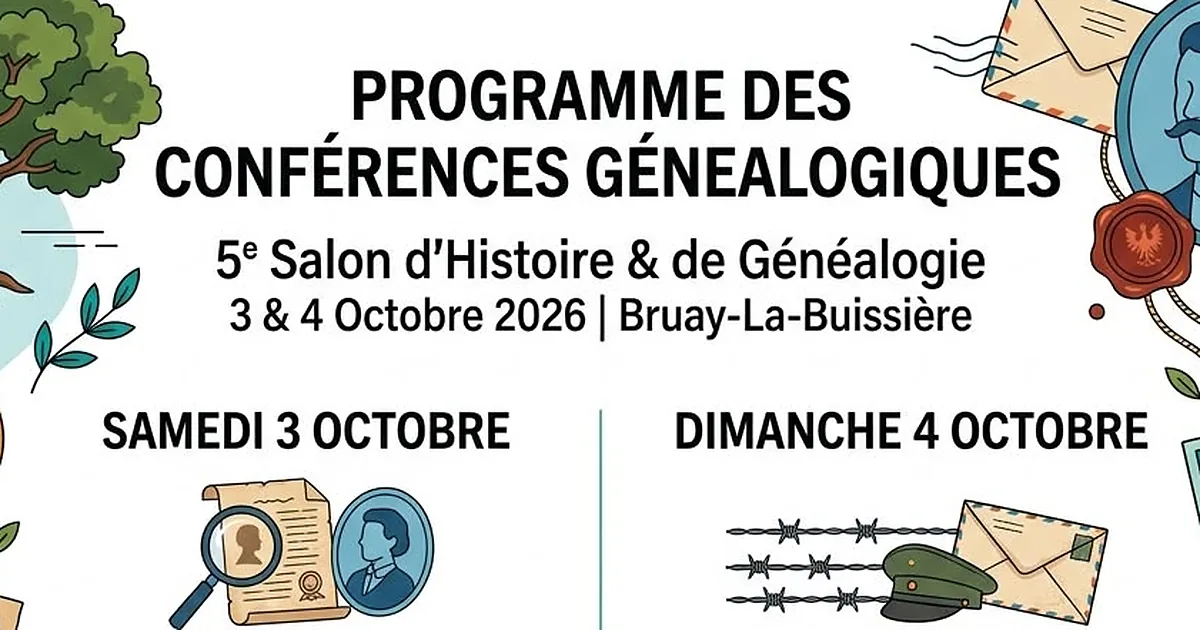
5th History and Genealogy Fair of Bruay-La-Buissière: the lecture programme of 3 and 4 October 2026
On 3 and 4 October 2026, the Marmottan hall in Bruay-La-Buissière hosts the 5th History and Genealogy Fair: four lectures, from sensory genealogy to prisoners of war in Germany.
-
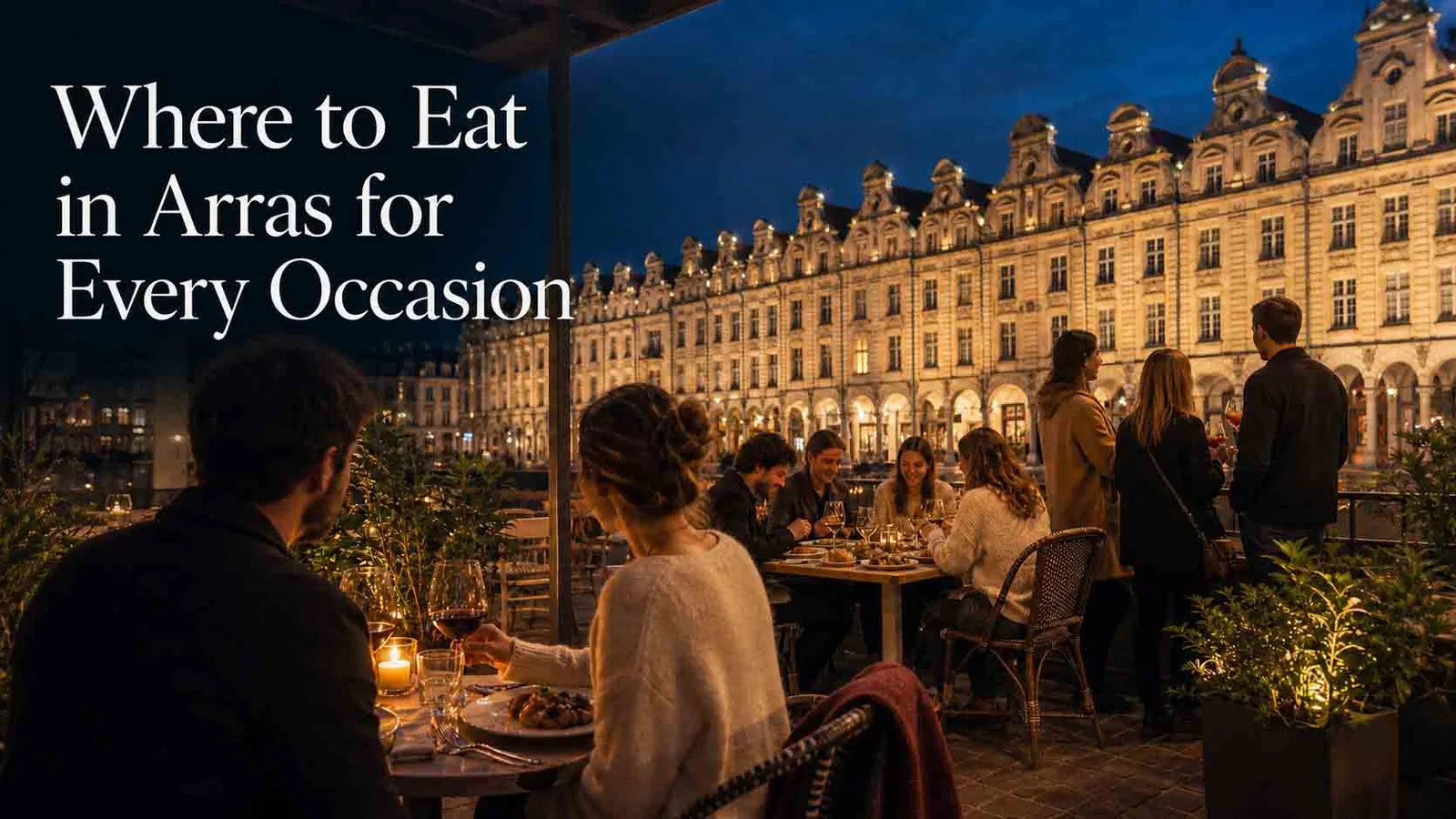
Where to eat in Arras depending on the occasion? Restaurants
Deciding where to eat in Arras is far less a matter of rankings than of context: a lunch squeezed between two meetings, a Sunday family meal, a dinner…
-
How to outsource the IT management of your business in Arras?
Outsourcing the IT management of your business in Arras: managed services, benefits, steps, GDPR security and advice for choosing the right provider.
-
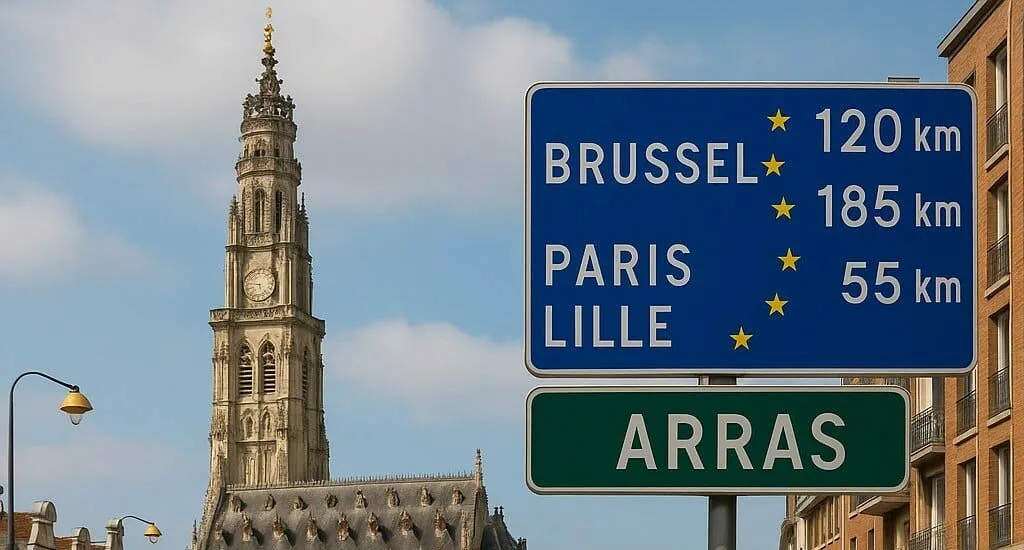
Arras: between metropolises and European borders
Arras, between metropolises and European borders: a strategic position in the Hauts-de-France, close to Lille, Paris, Brussels and northern Europe.
-
The world of genealogy : Explore your roots at the regional genealogy fair in Bruay-La-Buissière
The world of genealogy is vast and fascinating, offering everyone the opportunity to discover their family roots, understand history, and connect with the…
-
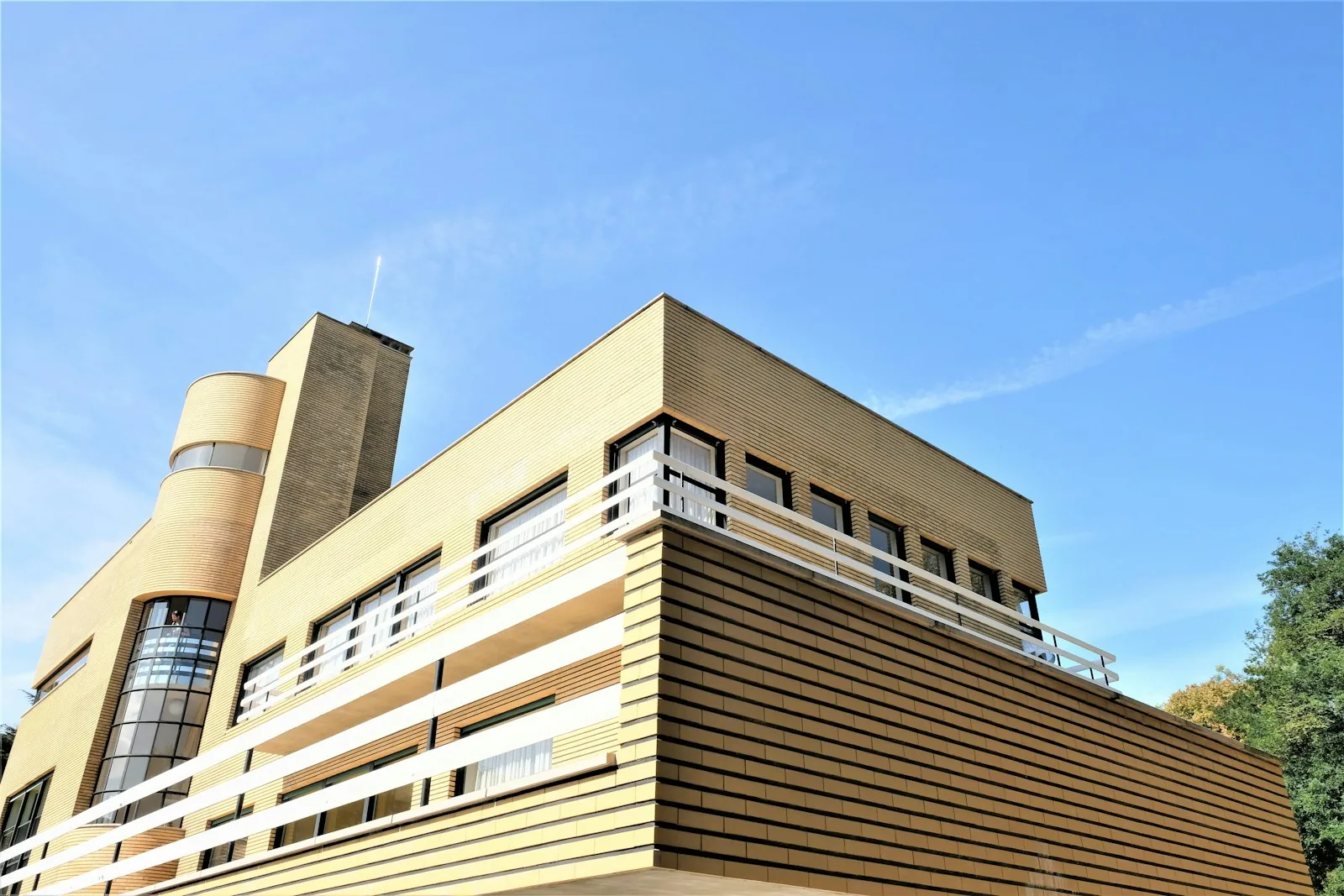
Visit the Villa Cavrois in Croix, Northern France
The Villa Cavrois, located in Croix in the Nord department of France, is an architectural marvel worth exploring both for its rich history and its unique…
-
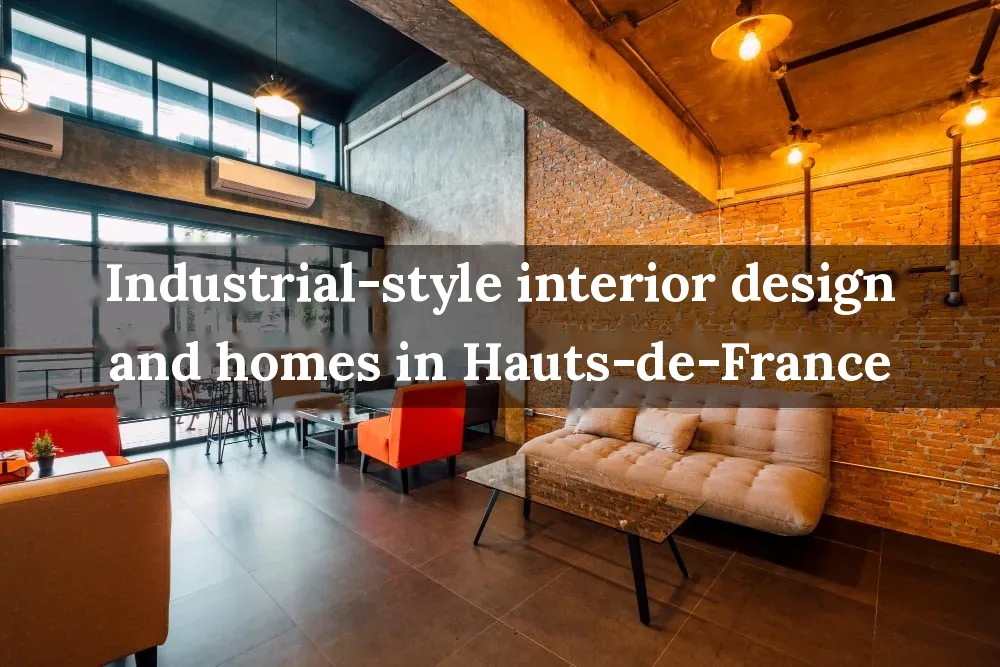
Industrial-style interior design and houses in Hauts-de-France
The raw charm of industrial style has long been a favorite among those looking to add distinctive character to their interior design. In…
-
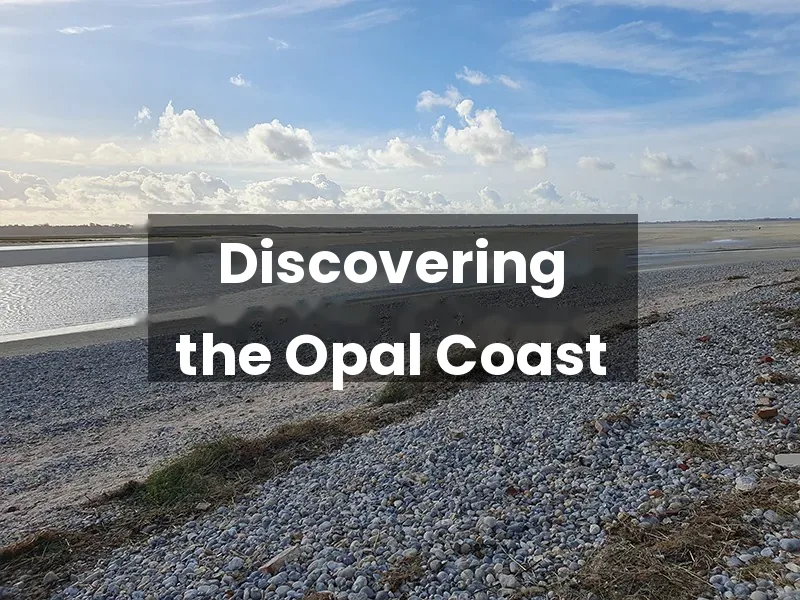
Discover the Opal Coast : A short guide !
The Côte d'Opale, the natural jewel of the Hauts-de-France region, stretches majestically along the North Sea from Dunkirk to Berck-sur-Mer. This…
-
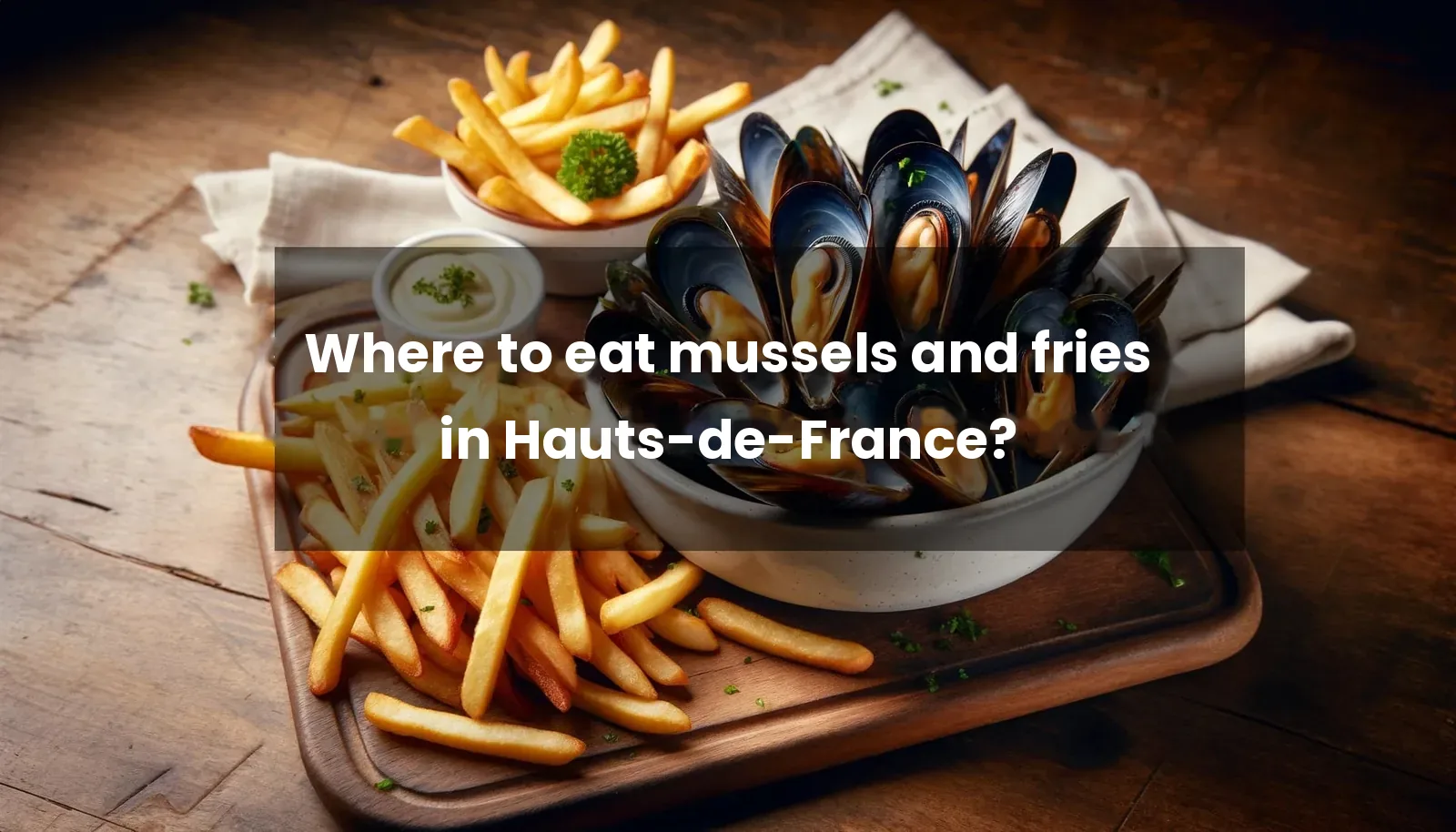
Eating mussels fries in northern France : Yes, but where?
Moules frites (fried mussels) is a classic dish in our beautiful region, and it's only logical that you'll find it just about everywhere in the towns and…
-
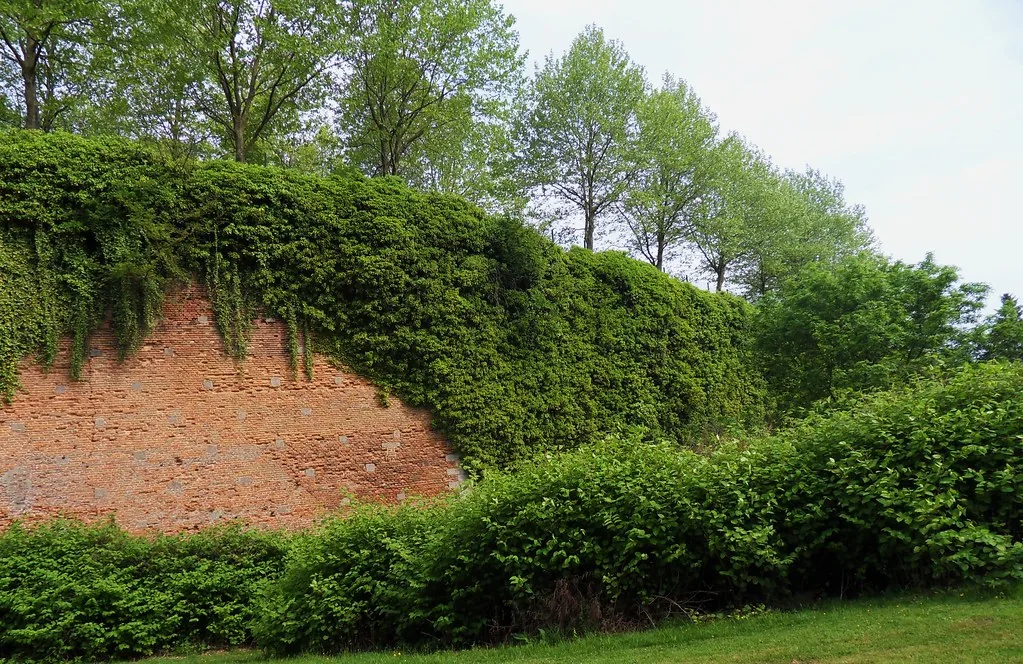
Visit the citadel at Doullens in the Somme region
The citadel of Doullens, a jewel of military architecture in northern France that is no match for Arras, is a site steeped in history, mystery and beauty…
-
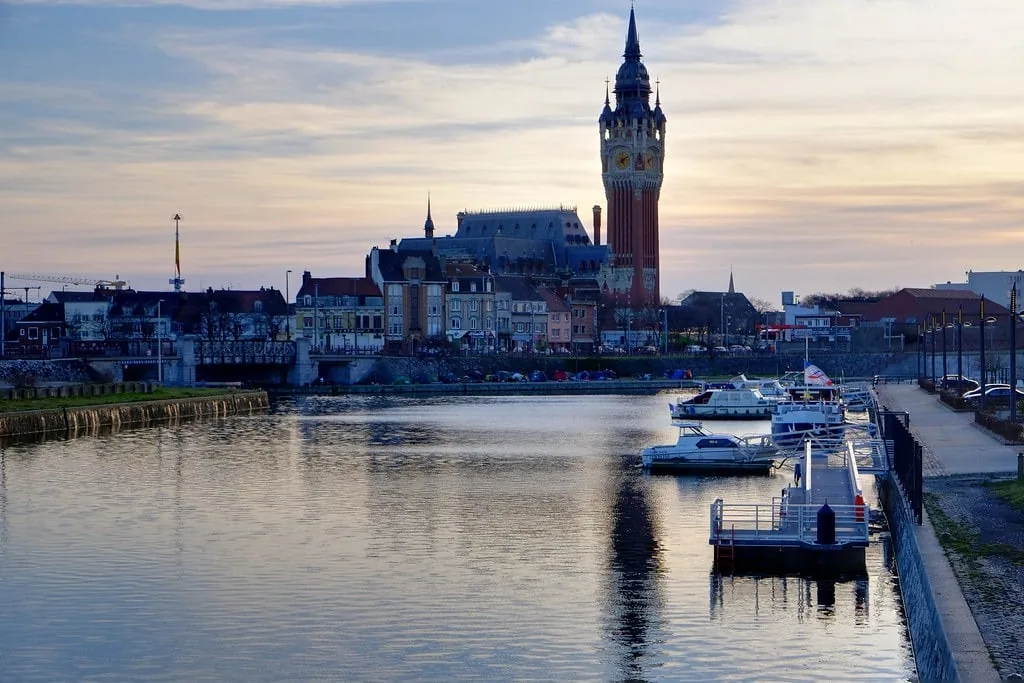
Discover the belfry of Calais Town Hall
Recognizable from afar by its flamboyant Gothic style and majestic tower, the belfry of Calais Town Hall is one of the best-known belfries in the…
-
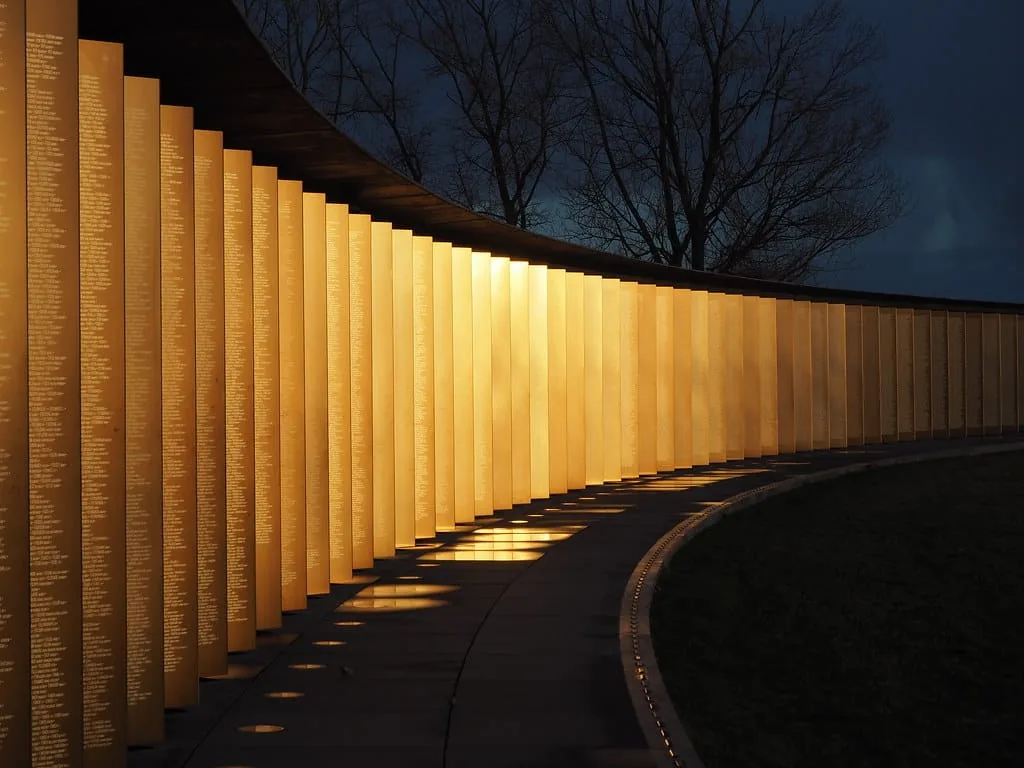
The Ring of Memory : Symbol of peace and remembrance
Northern France, rich in history and stories, bears the scars of the Great War. One of the most striking monuments to this period is the Anneau de la…

One region, two souls reunited
Since 2016, the Hauts-de-France region has formed a single large territory born from the merger of the former Nord-Pas-de-Calais and Picardy, two long-distinct areas that turned out to be deeply complementary. In the north, French Flanders and the Hainaut unfurl their fertile plains, their canals and their red-brick villages, shaped by a lively Flemish culture in which carnival, beer and the towering procession giants hold pride of place. In the south, Picardy spreads its wide farming horizons, the gentle valleys of the Somme and the Oise, and one of the richest Gothic heritages in Europe. In the middle, the Artois and the country around Arras act as a hinge between the mining basin and the rolling countryside, with their listed belfries and arcaded squares. The region borders the North Sea and the English Channel along nearly one hundred and forty kilometres of coastline, while sharing more than three hundred kilometres of frontier with Belgium, which feeds intense exchanges on both sides. A leading agricultural region of France for many crops, it also remains an industrial land that has reinvented itself since the decline of coal and textiles. This blend explains a warm, unpretentious identity, famed for its sense of welcome, its humour, its generous food and a visceral attachment to the land and to memory. Contrary to the clichés about grey skies, the light of the North has inspired generations of painters, and the long beaches and wide skies here take on ever-shifting hues. From Arras, an ideal staging post, you can easily fan out towards each of these facets, since distances stay short and the landscapes change from one valley to the next.
Lille, the Flemish capital that never sleeps
Around forty minutes from Arras by motorway or train, Lille is the beating heart of the Hauts-de-France, a cosmopolitan and student metropolis that has turned its industrial past into cultural energy. You always begin with the Grand-Place, officially the place du Général-de-Gaulle, framed by superb Flemish facades including the Vieille Bourse, a seventeenth-century gem where booksellers and chess players gather under the arcades around a delightful inner courtyard. All around, the Vieux-Lille unrolls its cobbled lanes, its brick and stone houses, its elegant boutiques, its patisseries and its estaminets where you can savour a carbonnade or a welsh washed down with local beer. Art lovers will not miss the Palais des Beaux-Arts, one of the largest museums in France after the Louvre, rich in Flemish paintings and canvases by Rubens, Goya and the Impressionists, along with astonishing relief maps of fortified towns. You should also stroll to the citadel built by Vauban, nicknamed the queen of citadels, and to the old Gare Saint-Sauveur, now a cultural venue. The city lives to the rhythm of its markets, such as the colourful Wazemmes, and of its famous September braderie, the biggest flea market in Europe, where visitors devour mountains of mussels and pile the empty shells outside the restaurants. A European Capital of Culture in 2004, alive with festivals and a celebrated nightlife, Lille deserves at least a full day, and an evening to sample its convivial atmosphere and its legendary human warmth.
The mining basin, a world heritage from underground
South of Lille and very close to Arras stretches the mining basin of the Nord-Pas-de-Calais, listed since 2012 by UNESCO as an evolving cultural landscape spanning nearly one hundred and twenty kilometres. Three centuries of coal extraction shaped a unique territory, bristling with conical slag heaps now turned into green hills and panoramic viewpoints, punctuated by metal headframes, garden cities, stations and corons, the long rows of miners’ cottages aligned to perfection that tell of a whole social order. At Lens, the former pit yard now hosts the Louvre-Lens, a luminous and democratic outpost of the great Paris museum, a building of glass and aluminium set in a park laid out where coal was once brought to the surface. Its Galerie du temps offers a unique chronological journey where masterpieces from every civilisation converse freely in one open space, and admission to the permanent collection is free. A few kilometres away, the Lewarde Mining History Centre, installed on the former Delloye pit and the largest mining museum in France, takes visitors down into eight hundred metres of reconstructed galleries and tells, with the help of former miners, of the harshness, the dangers and the solidarity of work underground. Close by, you can also admire the Bollaert-Delelis stadium, a temple of football where the blood-and-gold crowd roars as one. To walk the corons and climb the twin slag heaps of the 11/19 at Loos-en-Gohelle at sunset is to grasp the proud, working-class soul of an entire region, that of the coal-blackened faces and their quiet heroes, now a pioneer of the ecological transition.
Roubaix, from textiles to light
A twin town of Tourcoing in the northern suburbs of Lille, Roubaix was in the nineteenth century a world capital of textiles, nicknamed the city of a thousand chimneys, where wool was spun and woven for the entire planet and where workers flocked in from Belgium and beyond. That industrial prosperity left a spectacular architectural heritage, from vast brick factories to the opulent mansions of the great trading magnates. The city’s undisputed jewel today is the La Piscine museum, laid out in a former municipal swimming pool in the Art Deco style of the 1930s, a masterpiece of concrete, glass and mosaic conceived as a monumental public bath. Around the central basin, whose water reflects the sculptures in an unreal light filtered through a huge rising-sun stained-glass window, you discover a remarkable collection of paintings, sculptures, ceramics and above all textile samples and fabrics that recall the city’s craftsmanship. The revival of Roubaix also runs through venues such as La Manufacture, a museum devoted to the working memory of weaving, the Condition Publique, an old industrial site turned cultural workshop, and the mail-order retail giants that were born here. The town is also known to cycling fans, since it hosts the legendary finish of the Paris-Roubaix race on the cobblestones of the North. Just under an hour from Arras, it offers a moving plunge into the social and industrial history of the North, between faded grandeur and artistic rebirth.
The Opal Coast, the great breath of the shoreline
When you long to breathe in the open sea, the Opal Coast lies just an hour and a half from Arras, and it lives up to its name, for the light plays over the water in shifting, pearly reflections that have charmed painters and writers alike. Its emblematic site is that of the two capes, the Cap Blanc-Nez and the Cap Gris-Nez, awarded the Grand Site de France label, where chalk cliffs and wind-battered grasslands tumble towards the English Channel, with the coast of England visible on the horizon on clear days, barely thirty kilometres away. The hiking trails and the GR 120 path offer grandiose panoramas over the busiest strait in the world, where cargo ships and ferries stream past without pause. A little further south, Boulogne-sur-Mer is the leading fishing port in France, crowned by a fortified old town ringed with ramparts and an imposing domed basilica, and proud of Nausicaá, the largest aquarium in Europe, which immerses visitors in the oceans of the globe before a dizzying viewing window. Seaside resorts such as Le Touquet, elegant and wooded, Wissant, Wimereux and Berck add their retro charm, between Belle Époque villas, sand yachts, kites and immense sandbanks at low tide. Here you can enjoy a seafood platter or a fish landed that very morning. A single day on this coast is enough to feel revived and filled with salty air.
Amiens, the Gothic marvel of the Somme
Capital of historic Picardy, Amiens can be reached in a little over an hour from Arras and rewards the traveller with one of the greatest monuments in France, its Notre-Dame cathedral, listed as a UNESCO world heritage site and built in little more than a century, which gives it an exceptional unity of style. The largest Gothic cathedral in the country, twice the volume of Notre-Dame in Paris, it astonishes with the dizzying height of its nave, the delicacy of its carved portals, its maze of floor slabs and its precious relic said to be the head of Saint John the Baptist. In summer as at Christmas, the evening Chroma show restores the original colours of its statues in a striking play of light, offering a rare emotion. A stone’s throw away, the Saint-Leu quarter lines up its colourful houses along the canals, in the atmosphere of a little Venice of the North dotted with restaurants, terraces and waterside cafés. But the most secret treasure of Amiens remains the hortillonnages, a labyrinth of three hundred hectares of floating market gardens threaded by peaceful canals, best discovered from the water aboard traditional high-prowed punts, in an almost unreal calm a stone’s throw from the centre. City of Jules Verne, whose fine turreted home can be visited, Amiens gracefully weds monumental grandeur, a gentle way of life and nature tamed by centuries of patience, not forgetting its famous floating market.
The Artois and the fields of memory
Around Arras, the Artois still bears the scars of the First World War, which ravaged these hills and turned the region into a vast place of remembrance where soldiers from all over the world now rest. A few minutes from the town, the Canadian National Vimy Memorial raises its two white stone pylons at the top of a ridge fiercely fought over in 1917, amid a park where the trenches and shell craters have been preserved beneath the grass, and where young Canadian guides bring the battle back to life. Nearby, the necropolis of Notre-Dame-de-Lorette, the largest in France, aligns forty thousand graves and white crosses around its basilica and lantern tower, in a poignant silence that commands the whole plain. At its foot, the Ring of Remembrance, a huge concrete ellipse inaugurated in 2014, engraves side by side, without distinction of nationality or camp, the names of nearly six hundred thousand soldiers who fell in the Nord-Pas-de-Calais, a powerful gesture of universal reconciliation. These sites, joined by countless British Commonwealth cemeteries scattered across the countryside, by the Wellington Quarry dug beneath Arras by New Zealand tunnellers, and further south by the battlefields of the Somme, call for a solemn and necessary visit, where emotion vies with the peaceful beauty of the Artois landscapes. There is no better way to measure the price of peace.
The table of the North, generous and unfussy
To travel through the Hauts-de-France is also to sit down at the table, for the region cultivates a hearty, warm and deeply identity-driven cuisine, made to warm the body and gather people together. The emblematic dish remains, of course, mussels and fries, devoured by the plateful during the Lille braderie or in the Flemish estaminets, those typical inns with a rustic feel where wooden games and old adverts hold court. The savoury repertoire brims with treasures, from the welsh smothered in cheddar melted with beer, to the carbonade flamande simmered in dark beer and gingerbread, by way of the potjevleesch, a terrine of jellied white meats, and the maroilles, a powerful cheese at the heart of the famous flamiche tart of the same name. The coast brings its herring, its sole and its fresh fish landed at dawn, while Picardy defends its ficelle picarde, a gratinated pancake with ham and mushrooms. On the sweet side, you feast on waffles filled with brown-sugar cream, sugar tart, bêtises de Cambrai and chicory tart, without forgetting a hot cup of chicory coffee, gingerbread, or one of the countless craft beers that are the pride of the local breweries, from light blondes to full-bodied ambers. You can round it all off with a stiff measure of northern juniper spirit. A cuisine of sharing and of terroir, in the frank and generous image of the people here.
Listed belfries and the Dunkirk carnival
If there is one symbol that unites the whole north of the region, it is the belfry, that communal tower inherited from the Middle Ages, twenty-three of which in the Hauts-de-France are listed as UNESCO world heritage alongside those of Belgium. Emblems of urban freedoms and of the pride of the cloth-making towns, these towers watch over the great squares of Arras, Douai, Béthune and Bergues, and still mark the days with their carillons. Flemish culture also bursts out at the Dunkirk carnival, one of the most intense popular festivals in France, inherited from the fishermen who once set sail for Iceland. For several weeks from January to March, the town and its surroundings vibrate to the sound of fifes and drums, while processions of costumed masquelours parade in joyful uproar behind the drum major, before the famous throwing of herrings from the town hall balcony and the bande that sends the crowd surging through the streets. All across Flanders, wickerwork and fabric giants, such as Reuze Papa in Cassel, come out at the kermesses and village fairs, carried aloft on men’s shoulders among the estaminets. These warm, good-natured traditions speak of the deeply convivial and close-knit soul of a North that loves to gather and celebrate, whatever the season.
The south of the region, between châteaux and forests
Less known to hurried visitors, the south of the Hauts-de-France nonetheless holds some of the finest estates in France, on the edge of the Île-de-France. Barely an hour and a half from Arras, Chantilly unfolds its fairy-tale château surrounded by moats, home to the Condé museum and its collection of old master paintings among the richest in the country, along with the sumptuous Great Stables devoted to the horse. Close by, Senlis lines up its medieval lanes and its cathedral, while the vast Halatte forest and that of Chantilly invite you to wander. A little further east, Compiègne has left its mark on the history of France, from the imperial palace beloved of Napoleon III to the Armistice Clearing, where the end of fighting was signed in 1918, and again in 1940, in a railway carriage that became a symbol. Its state forest is among the largest in the country. Not far away, the Gothic cathedral of Beauvais, with the highest choir in the world, commands admiration through its dizzying boldness. This green south of Picardy and the Oise, all châteaux, abbeys and game-rich woodlands, forms a refined counterpoint to the industrial landscapes of the North, ideal for a getaway into the countryside far from the bustle.
The Bay of the Somme, nature as far as the eye can see
Ranked among the most beautiful bays in the world, the Bay of the Somme offers, about two hours from Arras, a natural spectacle of striking scale, where the river meets the English Channel in an immense estuary of sands, mudflats and salt meadows. At low tide, the sea withdraws for kilometres and reveals a kingdom of migratory birds, a paradise for ornithologists at the Marquenterre park, where you can watch storks, spoonbills and avocets behind the reed beds. The bay is also home to one of the largest colonies of seals in France, common and grey seals that you can spot lazily beached on the sandbanks, best discovered on a respectful guided outing. The seaside resorts of Le Crotoy, facing the sun, and Saint-Valery-sur-Somme, a medieval town from which William the Conqueror set sail for England, frame this jewel, linked by the picturesque steam train of the bay. The salt-meadow sheep, which graze on the salt-soaked grasses, yield a meat prized by gourmets. Walks around the bay, guided crossings, kayak trips or bike rides along the paths, everything here invites you to slow down and let yourself be enchanted by the shifting light and the endless horizon of this great protected landscape.
Getaway ideas starting from Arras
The central position of Arras, at the crossroads of motorways and railway lines, makes it an ideal base camp for exploring the Hauts-de-France à la carte, according to your desires and the time you have. For an urban and cultural day, head for Lille in the morning, wander through the Vieux-Lille and the Palais des Beaux-Arts, then extend the afternoon towards Roubaix and the La Piscine museum, easy to combine by metro or car. History enthusiasts will happily pair the Louvre-Lens and the Lewarde mining centre with the memorials of Vimy and Notre-Dame-de-Lorette, all reachable in under half an hour, for a complete immersion in the twentieth century. When the sky clears, treat yourself to a great gulp of air on the Opal Coast, with a hike between the two capes in the morning and a stop at Boulogne-sur-Mer or Le Touquet in the afternoon. For an escape further south, Amiens, its cathedral and its floating gardens make for a refreshing day in Picardy, which you can extend towards the Somme bay and its seals. Without leaving the region, you can also push on to nearby Belgium, or to art towns such as Douai and Cambrai. Finally, do not overlook the gems close at hand, the flower-filled villages of the Artois, the Saturday markets, the slag heaps to climb at sunset, for in the Hauts-de-France, the finest discovery often begins at the end of the path.