
How to get around Arras with the Artis bus network?
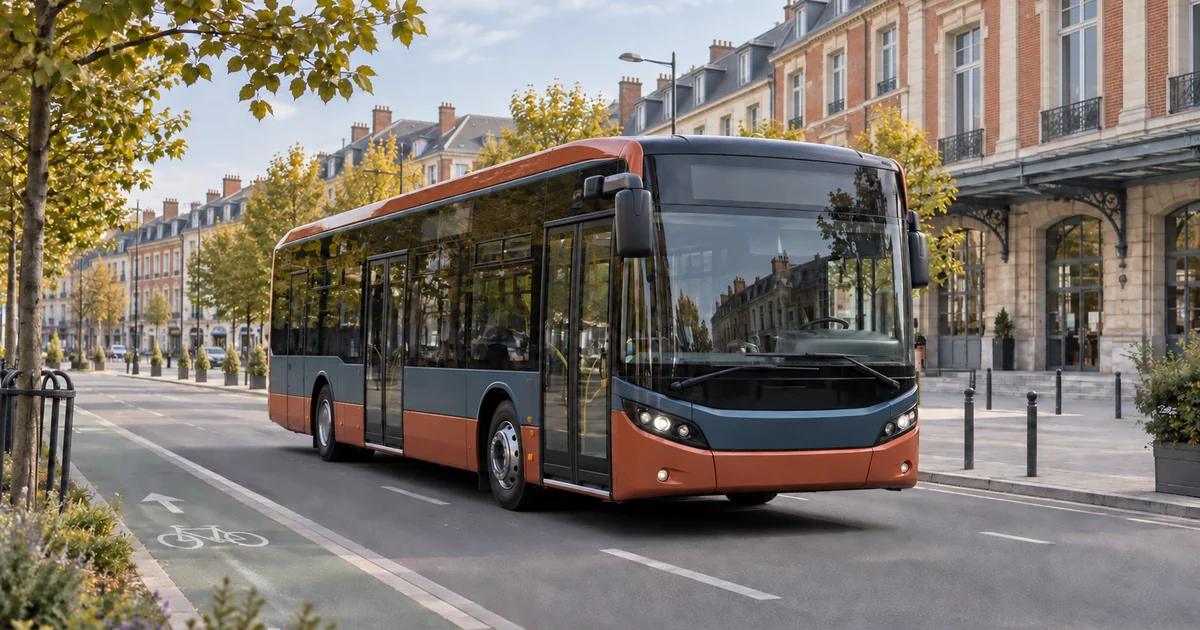
To get around Arras and its conurbation without a car, the Artis bus network constitutes the reference solution. Organised by the urban community of Arras, this network serves the town and the neighbouring communes through a set of urban lines, completed by a free town-centre shuttle and an on-demand transport service. Understanding the working of Artis, its lines and its services, allows one to move about easily in the Greater Arras, whether one is an inhabitant or a visitor. Here is a practical guide to public transport in Arras, from the urban bus to the free shuttle, to move about serenely in the conurbation.
The Artis network, a user's guide
The Artis network is the public transport network of Arras and its conurbation. It is organised by the urban community of Arras, the competent authority in matters of mobility on the territory: to situate this role within the whole of the competencies of the community, the urban community of Arras and its competencies presents the framework within which the organisation of transport inscribes itself. The network has been the object of an overhaul, with a new network coming into service at the end of the summer of 2026, comprising ten urban lines serving about a dozen communes of the Greater Arras. This mesh allows one to link the main districts, the activity zones, the amenities and the town centre, offering an alternative to the car for many everyday journeys. The Artis network is structured around structuring lines, more frequent, and secondary lines, completed by specific services. Understanding the organisation of the network allows one to spot the line suited to one's journey and to plan one's travel. Whether one goes to work, to the university, to a commercial zone or to the town centre, the network offers solutions to move about without a car. The times, frequencies and itineraries can change, and it is useful to consult the up-to-date information of the network before travelling. The Artis network thus constitutes the backbone of mobility in the Greater Arras, in complement to walking, cycling and the car. To know its working well is to give oneself the means to move about easily in the conurbation.
The urban lines
The heart of the Artis network rests on its ten urban lines, which serve Arras and the communes of the conurbation. Among them, one line plays the role of backbone of the network, linking the station of Arras to a large commercial zone, with a high frequency, a bus passing about every twelve minutes. The other lines offer variable frequencies, of the order of twenty to thirty minutes according to the lines and the hours of the day. This hierarchy of lines, between structuring axes and finer services, allows one to adapt the offer to the needs of the different sectors. The lines link the residential districts, the activity zones, the public amenities and the town centre, forming a mesh that covers the territory. To use the network, it suffices to spot the line serving one's point of departure and one's destination, then to consult the times. The stops, spread across the town and the conurbation, are signposted and served according to the frequencies specific to each line. The network of urban lines thus offers a mobility solution for many journeys, from home to work, from school to the shops. To identify the line suited to one's need well allows one to make the most of the network. The urban lines of Artis constitute the base of public transport in Arras, linking the essential points of the conurbation. They allow one to move about without a car, relying on a structured and regular network.
The Citadine, free shuttle of the centre
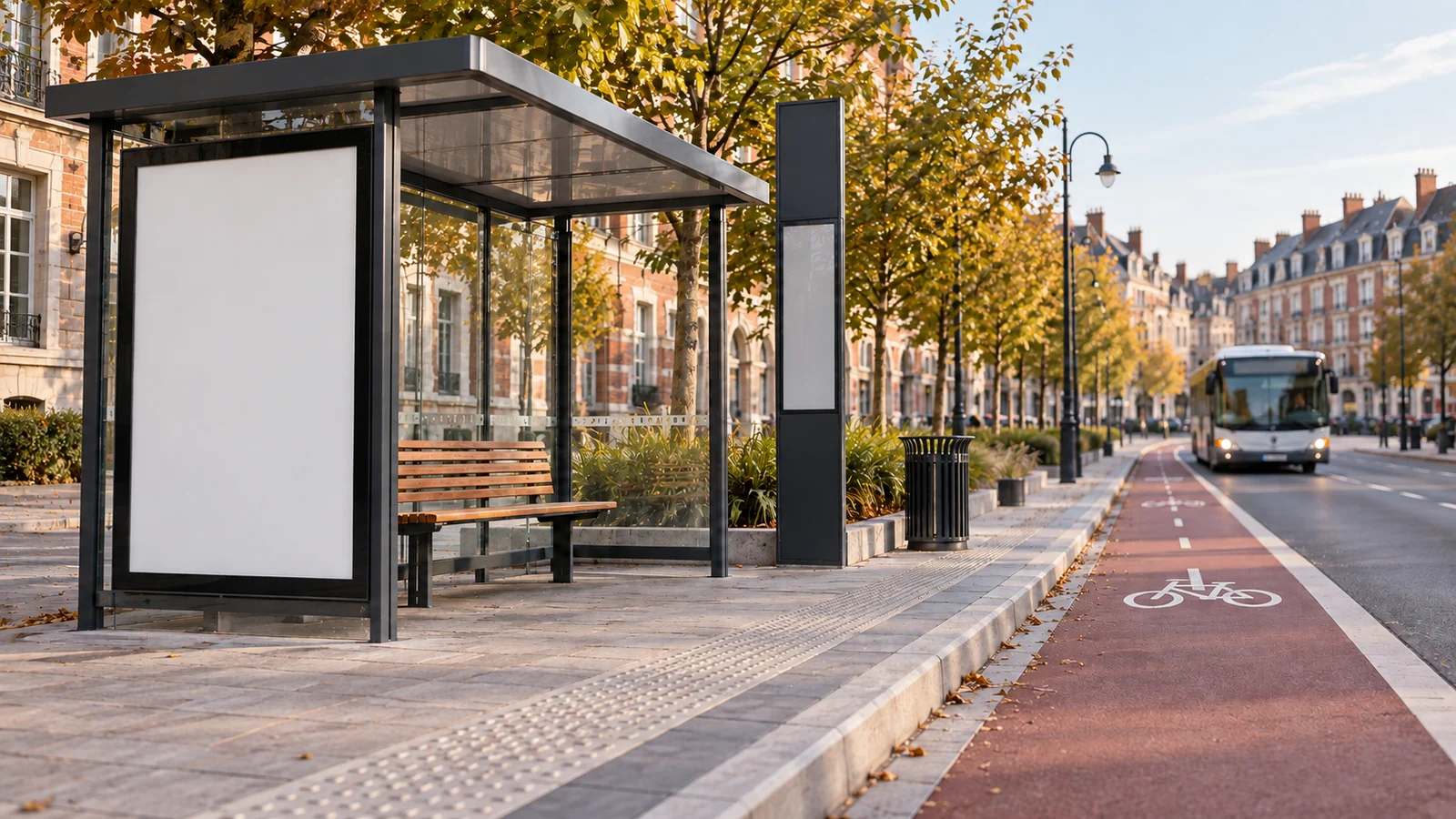
The Artis network also includes the Citadine, a free and electric shuttle that circulates in the heart of the town. This service, entirely free, rests on electric loops that serve the centre and its surroundings, facilitating local travel. The Citadine notably links the relay car parks to the town centre, allowing motorists to leave their car on the periphery and to reach the heart of Arras at no cost. The network has several loops, one of which serves the south of the town, notably the university and the sector of the Wellington quarries, with a high frequency on weekdays and Saturdays. The connections converge towards the station of Arras, the central point of the network. The Citadine, by its gratuity and its electric character, inscribes itself in an approach of sustainable mobility, aiming to limit car traffic and pollution in the centre. It offers a practical solution for short journeys, connections and access to the centre from the relay car parks. This free service constitutes an asset of the Artis network, by making town-centre travel accessible to all. To use the Citadine is to enjoy a free, ecological and practical transport, ideal for moving about in the heart of Arras. This shuttle completes the urban lines, by ensuring the fine service of the centre and the link with the peripheral car parks. The Citadine thus illustrates the will to facilitate travel while preserving the living environment of the town centre.
| Service | To remember |
|---|---|
| Urban lines | Ten lines serving the Greater Arras |
| The Citadine | Free and electric shuttle of the centre |
| Flex Artis | On-demand transport by reservation |
| The station | Central point of the connections |
Flex Artis on-demand transport
To complete the regular lines, the network offers an on-demand transport service, named Flex Artis. This service allows one to travel between two stops of the urban network, on prior reservation, in the sectors and at the times where the regular lines do not suffice to cover all needs. The principle is simple: rather than following a fixed itinerary, on-demand transport adapts to the requests of travellers, who reserve their journey in advance. Flex Artis operates over a wide range of hours, from early morning to evening, with times adapted according to the days of the week. The reservation, to be made a certain time before the trip, allows the service to be organised and the pick-up to be guaranteed. This system offers appreciable flexibility, notably for travel in less dense sectors or at off-peak hours. It usefully completes the urban lines, by ensuring service where the regular bus does not pass or passes little. On-demand transport thus meets the mobility needs of all, including in the zones where the regular offer is more limited. To use Flex Artis supposes anticipating and reserving, but offers in return a service suited to one's journey. This service illustrates the will of the network to offer mobility for all, by combining regular lines and on-demand transport. Flex Artis thus constitutes a precious complement of the Artis network, at the service of the flexibility of travel.
Tickets and good practices
To travel on the Artis network, one must have a ticket, to be obtained and validated according to the rules of the network. The network generally offers different formulas, from the single ticket, practical for an occasional journey, to subscriptions, more advantageous for regular users. Tickets can be bought according to the channels provided by the network, and one should validate them on board, in accordance with the rules in force. Adopting a few good practices facilitates the use of public transport: consulting the times before leaving, spotting the stops and connections, anticipating the journey times and, for on-demand transport, reserving in advance. It is also useful to keep informed of the changes of the network, possible works and modifications of itineraries, which can affect travel. The rates, ranges of tickets and modalities of purchase can change, and it is better to refer to the official information of the network to know the up-to-date offer. To equip oneself well with a ticket suited to one's use, occasional or regular, allows one to travel serenely and at the best cost. These good practices, simple to adopt, make the use of the Artis network more fluid and more pleasant. To inquire beforehand, to choose the suitable ticket and to respect the rules of the network are the keys to a successful journey by public transport. To travel on Artis thus becomes an easy habit, once one masters these few practical pointers.
The station, heart of travel
The station of Arras occupies a central place in the transport network, as a point of convergence of the lines and connections. An important railway node, it links Arras to the great towns of the region and beyond, offering connections to Lille, Paris and other destinations. Around the station are organised the connections of the Artis network, making this place a hub of Arras mobility: to discover this emblematic place and its history, the railway station of Arras presents this major site, at once gateway to the town and point of departure of many journeys. The proximity of the station and the bus network facilitates combined journeys, where one arrives by train before continuing by bus or shuttle. This articulation between the train and the urban network makes Arras easily accessible and allows one to move about without a car, including from outside the conurbation. The station thus constitutes the ideal point of departure to explore the town by public transport. For the visitor arriving by train, the Artis network offers a continuity, allowing one to reach one's final destination. For the inhabitant, the station is a practical connection point, linking local travel and more distant journeys. To think of the station as the heart of travel allows one to organise one's journeys by relying on this central point. The station and the Artis network thus form a coherent whole, at the service of mobility in the Greater Arras.
Getting around without a car
The Artis network makes it possible to get around in Arras and its conurbation without depending on the car. For many everyday journeys, the bus, the shuttle and on-demand transport offer practical, economical and ecological alternatives. To travel by public transport presents several advantages: economy, by avoiding fuel and parking costs, tranquillity, by dispensing with driving and the search for a space, and respect for the environment, by limiting car traffic. The network allows one to reach work, the university, the shops, the amenities and the town centre, covering the main reasons for travel. Combined with walking and cycling, it offers a complete palette of gentle and shared mobility solutions. To make the most of the network, it is useful to familiarise oneself with the lines, times and services, and to consult the up-to-date information. To get around without a car sometimes demands a little organisation, but offers in return many benefits. The Artis network, with its lines, its shuttle and its on-demand transport, makes available the tools to move about differently. To adopt public transport is to take part in a more sustainable mobility, while enjoying a service suited to the needs of the territory. To get around without a car in the Greater Arras thus becomes an accessible and advantageous option, thanks to the Artis network.
Combining transport and parking
Public transport and parking are not opposed: they complete each other, in a logic of combined mobility. For many, the ideal solution consists of leaving one's car in a free relay car park on the periphery, then reaching the centre by the free shuttle or the bus. This combined approach allows one to enjoy the advantages of the car for part of the journey and of public transport for the other, by avoiding the difficulties of parking in the centre. To know the parking solutions and their articulation with transport, the guide to parking in Arras details the relay car parks, the underground car parks and the Ma Citadine shuttle. To combine transport and parking offers great flexibility, by allowing one to adapt one's travel to each situation. One can thus come by car to the periphery, then move about in the town centre without a car, enjoying the best of the two modes. This complementarity is encouraged by the organisation of the network, which links the relay car parks to the centre. To think of one's travel as a whole, by articulating car and transport, allows one to move about more easily in the Greater Arras. This approach, at once practical and responsible, meets the needs of inhabitants as well as visitors. To combine transport and parking is thus to draw on all the solutions offered to move about serenely in Arras and its conurbation.