
What to do in Arras
The historic capital of the Artois region, Arras captivates at first glance with its two baroque squares lined by Flemish façades and their rippling gables, unique in France. Here, history unfolds in the open air, from the UNESCO World Heritage belfry that towers 75 metres above the town, to the boves, the underground galleries carved into the chalk right beneath your feet. Whether you come for a weekend, a stopover on the way to the Opal Coast or a family outing, this Artois city reveals a thousand ways to surprise you. A town of art and remembrance, Arras blends the splendour of its Saint-Vaast Abbey, the powerful emotions of the Wellington Quarry and Vimy, and the infectious energy of its great gatherings, from the Main Square Festival to the famous Christmas market. The food is wonderful, the strolling a pleasure, and around every corner you will find a lively terrace or a tempting delicatessen. Browse our articles below to plan your visit, then let our sweeping overview guide you through all there is to see and do in Arras and its surroundings.
-
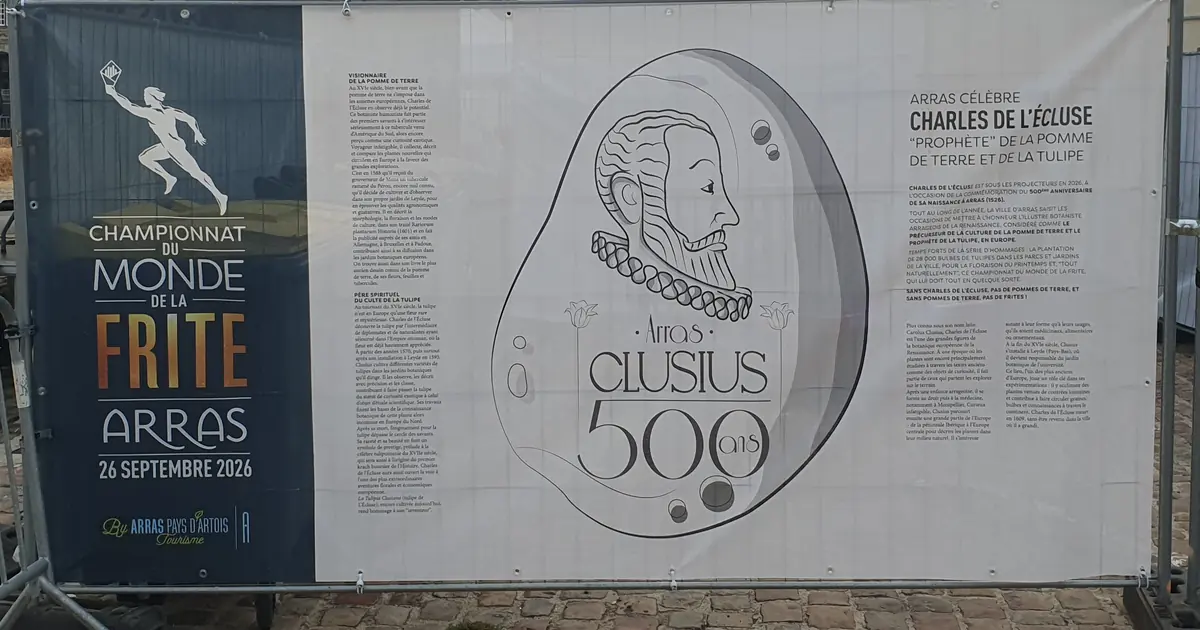
World fry championship 2026 in Arras: winners and tribute to Charles de l'Écluse
The 4th edition of the World Fry Championship took place on 26 September 2026 on the Grand'Place of Arras. Winners, Logan Poirson's victory and a focus on the 500 years of Charles de l'Écluse.
-
What are the must-see monuments to visit in Arras?
UNESCO belfry, Baroque squares, Vauban citadel, Saint-Vaast Abbey and boves: the guide to the must-see monuments of Arras, on foot.
-
Which festivals and big events should you not miss in Arras?
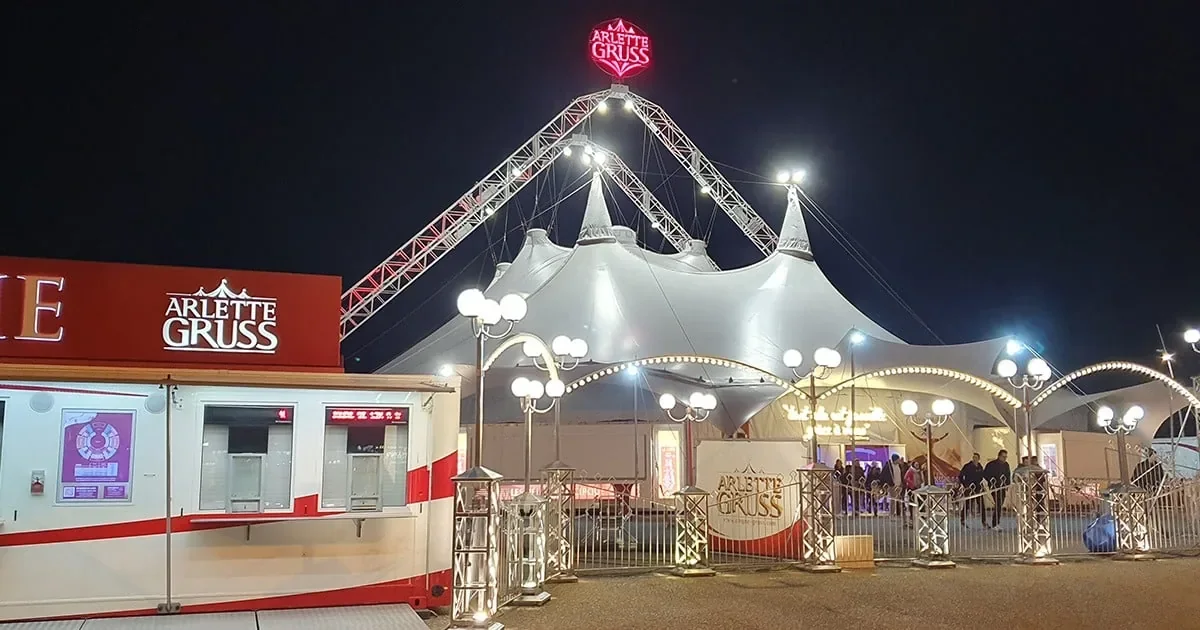
Concerts, Christmas market, cinema, circus and popular fetes: the guide to festivals and major events in Arras, season by season.
-
Where to Eat Like a Local in Arras: 7 Must-Visit Spots
Arras charms visitors with its majestic squares, Flemish-style facades, and its UNESCO-listed belfry, but to truly experience the city from the inside…
-
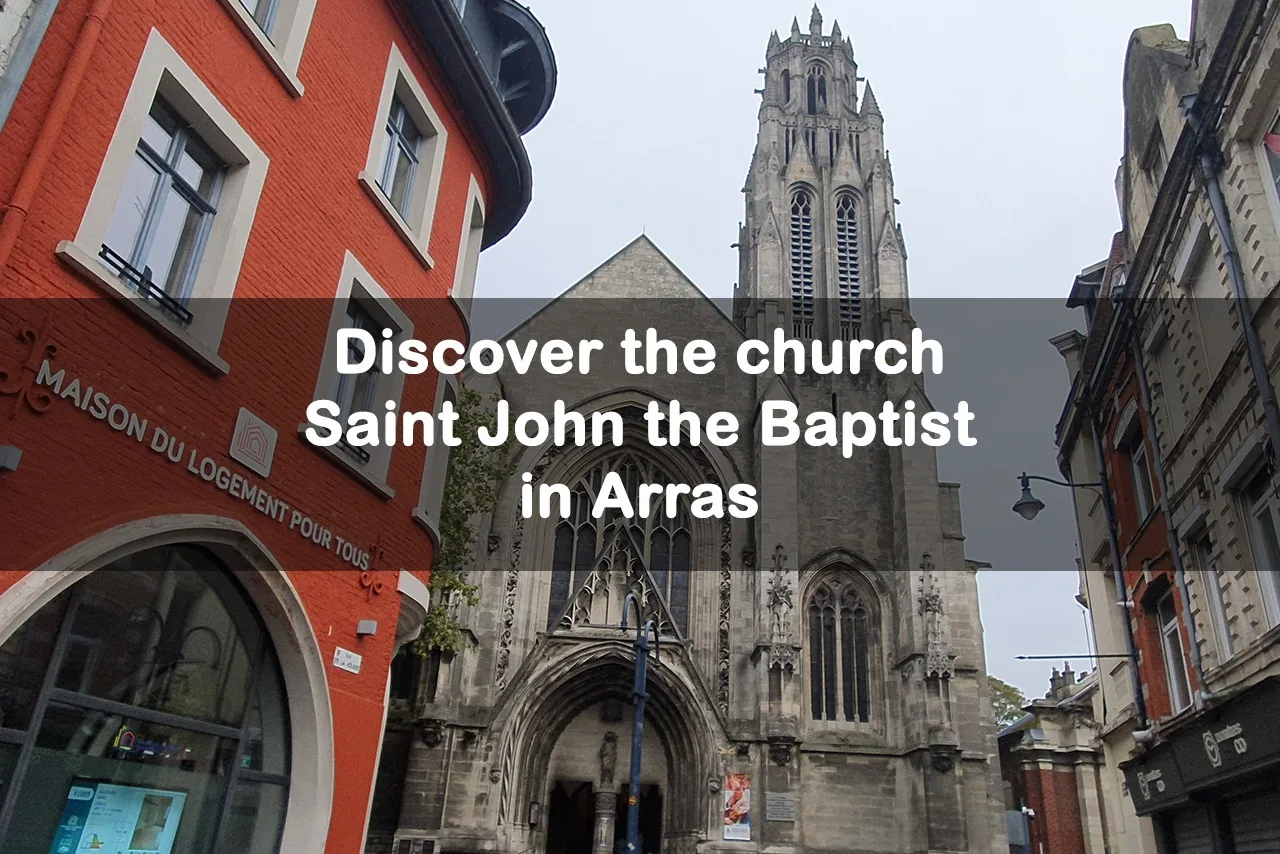
Discover the Saint-Jean-Baptiste church downtown
The Saint-Jean-Baptiste church in Arras is a landmark building with a rich history of destruction and rebirth. Located in the heart of the city, this…
-
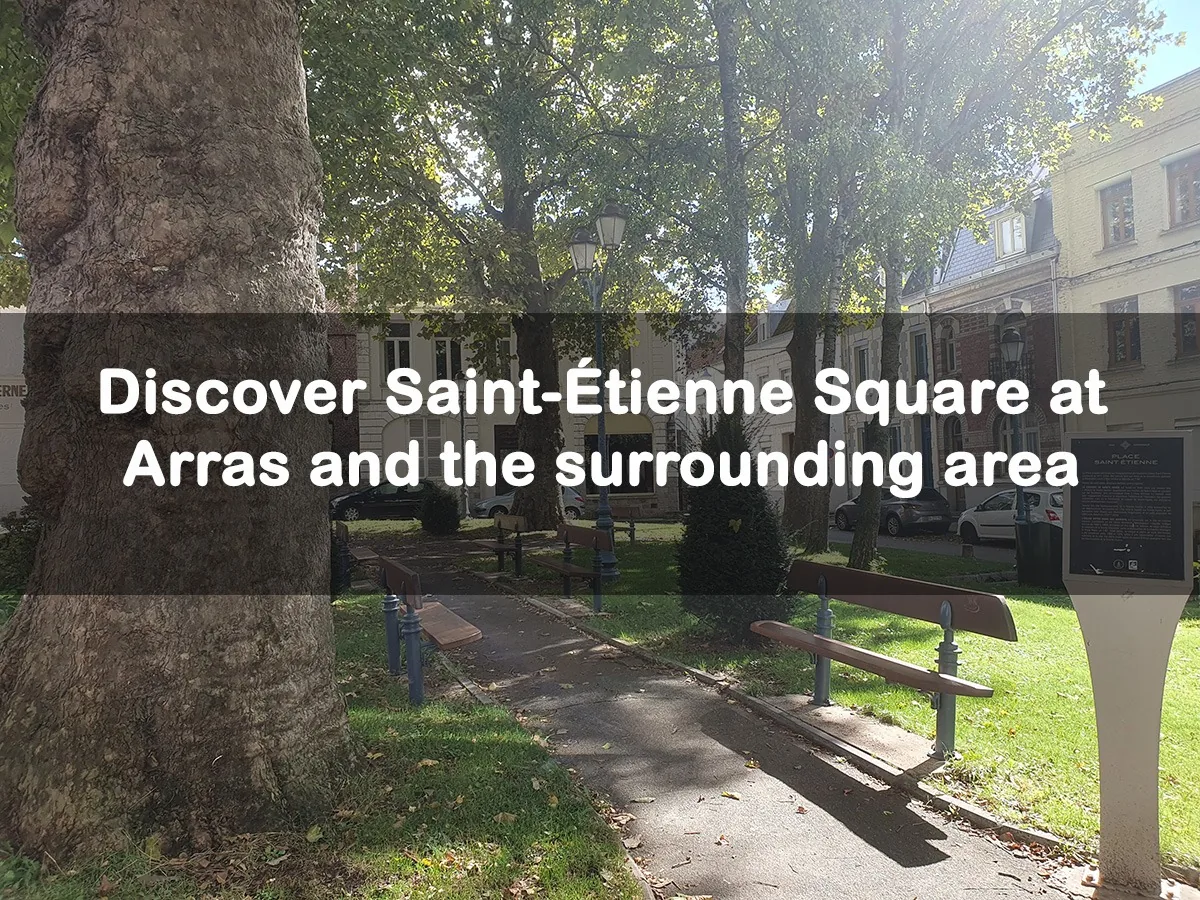
Discover the Saint-Étienne Square in Arras and the surrounding area
Nestled in the historic center of Arras, Place Saint-Étienne is a place that breathes history with every stone. This little corner of the city, often…
-
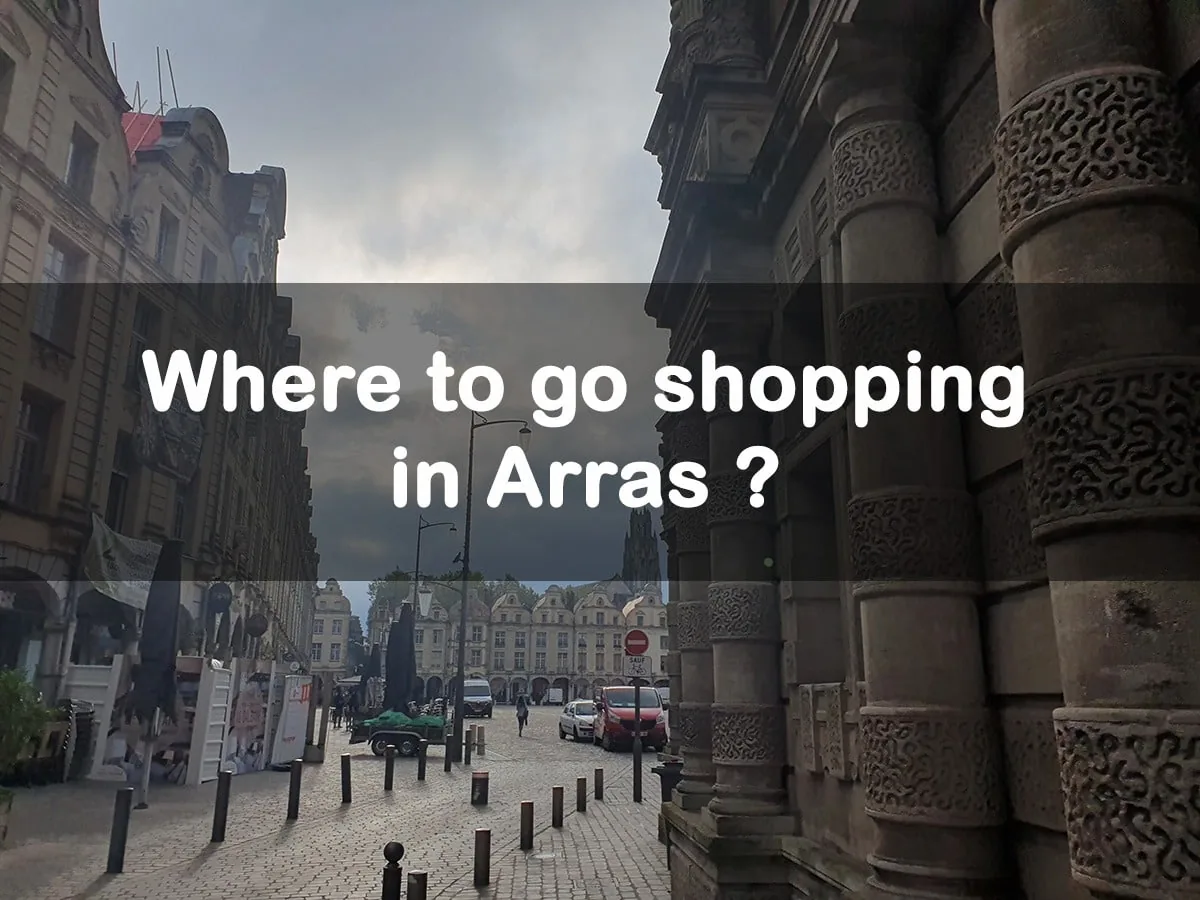
Where to shop in Arras ? Emblematic shopping streets
Arras not only boasts a rich historical heritage and is widely recognized for its magnificent squares, unique in Europe, it 's also an ideal city for…
-
What romantic places in Arras to meet for the first time ?
Are you in our beautiful city and looking for the perfect place for a first date ? Arras, with its cobbled streets and architectural heritage, is full of…
-
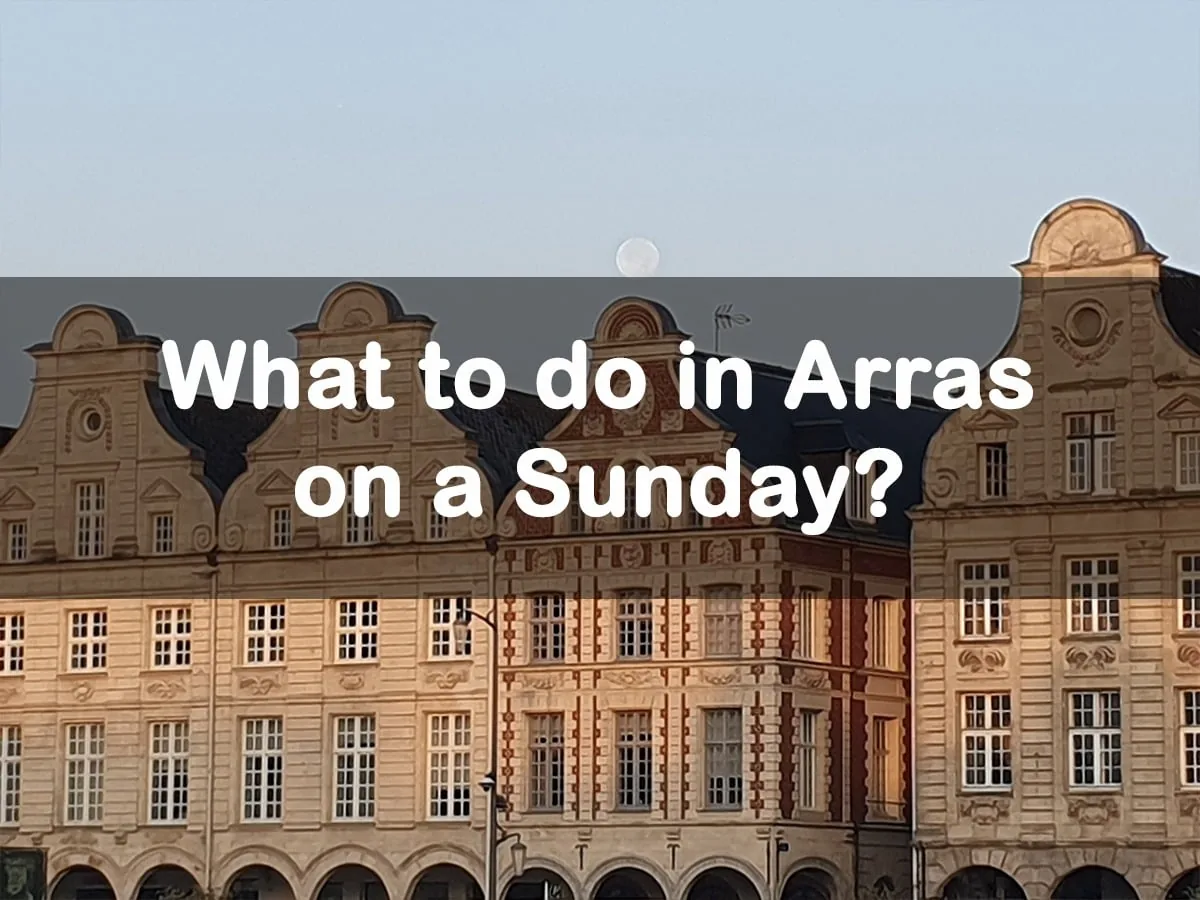
What to do in Arras on a Sunday ?
Arras is renowned in France for its rich historical heritage, lively squares and green spaces. The town also boasts a wide range of year-round activities…
-
TICKET TO DEATH : Festival of short horror films in Arras
The thrill of horror is back in full force this year in Arras with Ticket to Death 2024, a festival that promises to leave more than a few people nailed…
-
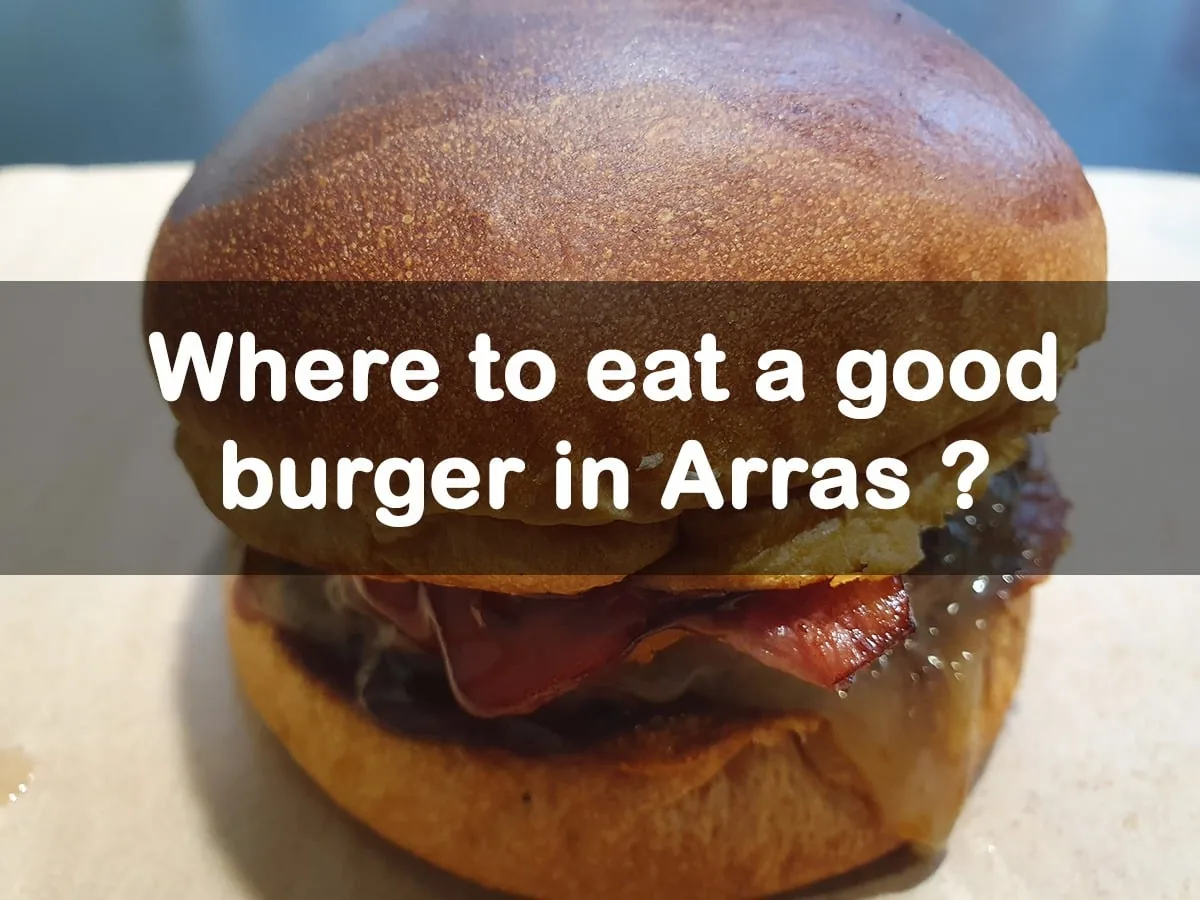
Where to eat a good burger in Arras ?
Arras, a historic town in northern France, is renowned not only for its cultural heritage, but also for its culinary scene. Among the many options, burger…
-
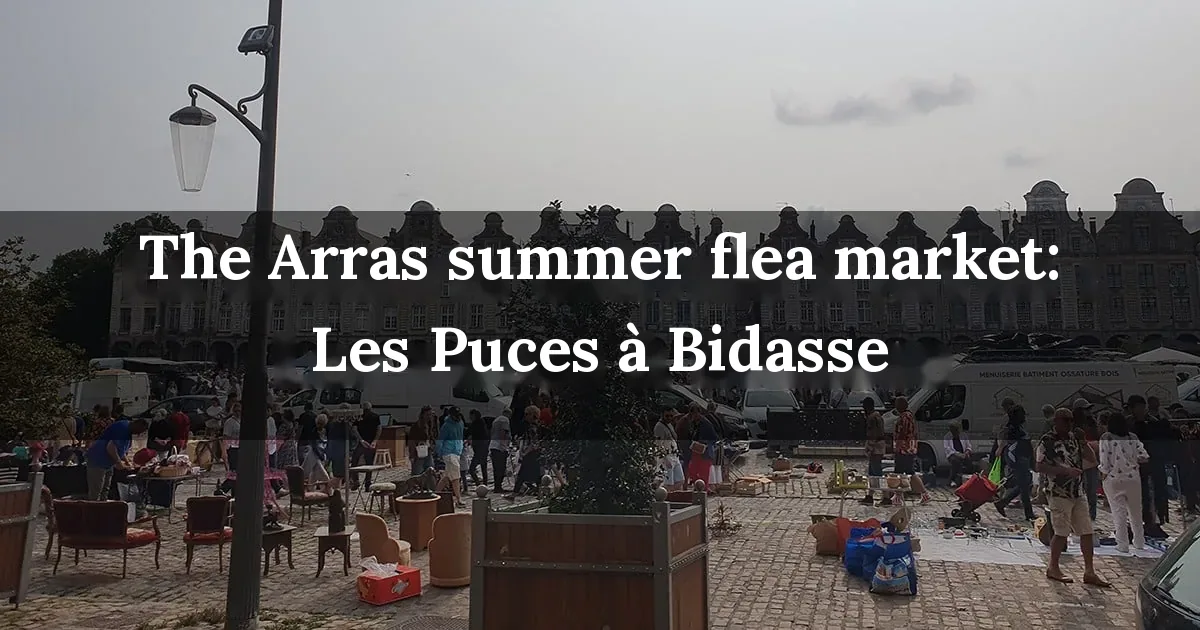
Puces à Bidasse : A summer tradition in Arras
Every year, in the heart of summer, Arras comes alive with one of its most eagerly awaited events: the Puces à Bidasse. This emblematic event, which…


Essential heritage, the beating heart of the city
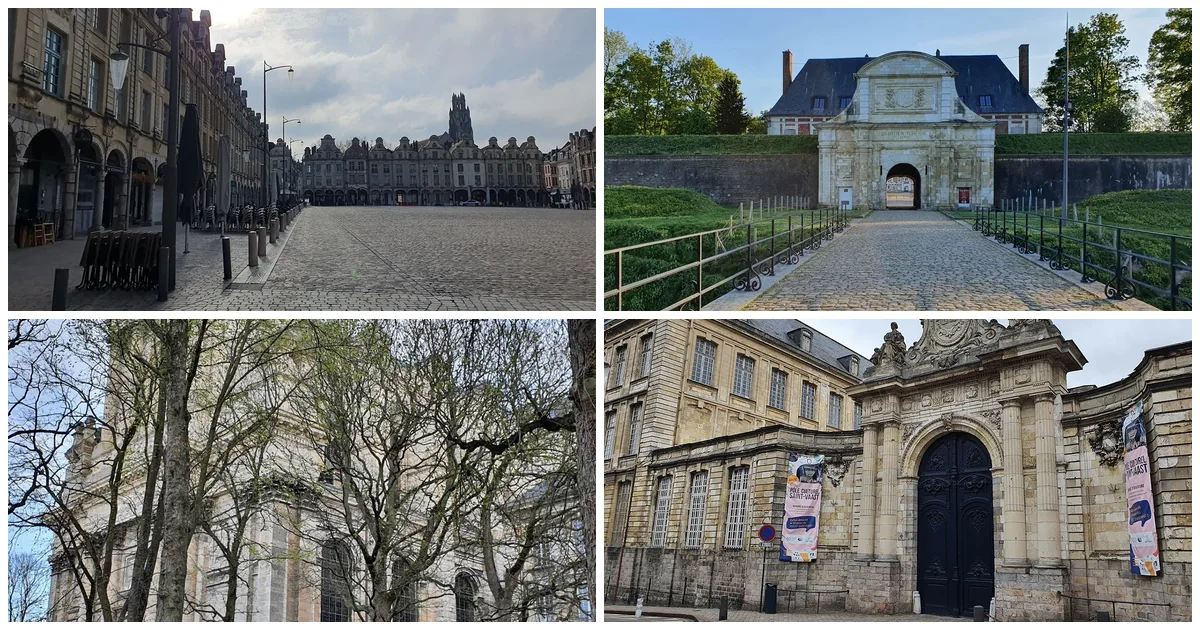
You cannot discover Arras without first taking in its twin jewels, the Grand-Place and the Place des Héros, two vast cobbled esplanades entirely ringed by baroque houses from the 17th and 18th centuries. Their Flemish façades, with 155 arcades borne on sandstone columns and rebuilt identically after the destruction of the First World War, form an architectural ensemble without equal in the country, a backdrop enlivened in turn by markets, café terraces and great festive gatherings. At the centre of the Place des Héros stands the town hall in flamboyant Gothic style, crowned by its famous belfry rising 75 metres, inscribed since 2005 on the UNESCO World Heritage list as one of the belfries of Belgium and France. You can climb to its panoramic platform, first on foot then by lift, to take in the rooftops of the town and spot the golden lion perched on the spire. Right beneath your feet opens the secret world of the boves, a network of chalk galleries dug from the 10th century onwards and turned over the ages into cellars, refuges and then shelters during the bombardments. A guided tour of these cool, mysterious tunnels, where the temperature stays constant all year round, is the ideal complement to exploring the surface. To extend the walk, head for the majestic Vauban citadel, built at the end of the 17th century and nicknamed « the Beautiful Useless » because it was never besieged, also listed by UNESCO, whose star-shaped ramparts and grassy ditches now invite lovely green strolls. Along the way, do not miss the cathedral of Arras, a former abbey church in classical style, whose immense, luminous nave impresses with its scale and elegant restraint. Take the time to look up at the weathervanes and caryatids adorning the gables, to spot the old shop signs and the vaulted cellars turned into boutiques, for it is in this wealth of detail that you read the whole richness of a town destroyed several times and always reborn, shaped by the cloth and grain trade that made its fortune in the Middle Ages.
The memory of the Great War, a duty of emotion
Arras and its region carry in their very fabric the memory of the battles of 1914-1918, and this remembrance is one of the most moving reasons to visit the area. In the heart of the town, the Wellington Quarry takes visitors twenty metres underground, into the former chalk quarries that New Zealand tunnellers linked and fitted out to conceal nearly 24,000 soldiers on the eve of the Battle of Arras in April 1917. Helmet on your head and audio guide in your ear, you walk through galleries where graffiti, inscriptions and period objects still survive, lit by a restrained staging, before rising towards a poignant, light-filled memorial. Some fifteen kilometres away, the Canadian National Vimy Memorial raises its two white stone pylons atop a bitterly disputed ridge, surrounded by a 100-hectare park where the ground still preserves the undulations of shell craters and the preserved trenches, kept by a grazing flock of sheep. The site, given by France to Canada, is free to visit and its welcome centre sheds light on the sacrifice of Commonwealth soldiers thanks to young Canadian student guides. All around Arras, numerous British military cemeteries with their aligned white headstones, along with the Ring of Remembrance at Notre-Dame-de-Lorette, an immense bronze ring engraved with 580,000 names of every nationality without distinction of side, recall the scale of the tragedy and invite quiet reflection. This dense and deeply affecting trail of remembrance makes Arras a major stop for memorial tourism in the Hauts-de-France. Each spring, ceremonies gather veterans, families and descendants who come from around the world, and many British, Canadian or Australian visitors make the journey to find the grave of an ancestor, in a silence broken only by the wind over the fields, a moment of rare intensity that leaves a lasting mark on all who share it.
Museums, between fine arts and living science
Culture lovers will find plenty to feed their curiosity in Arras, starting with the remarkable Museum of Fine Arts, set within the grand surroundings of the former Saint-Vaast Abbey, a masterpiece of 18th-century Benedictine architecture whose long vaulted galleries unfold around a monumental cloister. Its collections display medieval sculptures, Gothic angels, Arras porcelain famed for its deep blue, Flemish and Dutch paintings, and large 19th-century canvases signed by regional painters, all within elegant rooms bathed in light. The museum has also distinguished itself through prestigious partnerships, once hosting exhibitions drawn from the Palace of Versailles that attracted hundreds of thousands of visitors. A few minutes away, Cité Nature offers a very different experience, playful and immersive, devoted to nature, food and health. Housed in a former light-bulb factory redesigned by the architect Jean Nouvel, this regional science centre delights young and old alike with its themed gardens, greenhouses, workshops and interactive displays that decode what is on our plate and in our environment. You wander here among vegetable plots, teaching beehives and experimental spaces, in a joyful and educational spirit. Between the historic refinement of the abbey and the educational energy of Cité Nature, the town offers two complementary faces of knowledge, perfect for a rainy day or for sparking children’s curiosity while illuminating the Artois identity. You might happily round off this pairing with a wander through the many art galleries and craft workshops that enliven the lanes of the centre, or with the occasional temporary exhibition held in the salons of the town hall, proof that the cultural life of Arras is never confined to its monuments alone.
The great events that make Arras come alive
Throughout the year, Arras transforms to the rhythm of festivals and celebrations that have built its solid reputation for good times far beyond the region’s borders. In summer, the Main Square Festival sets up its stages in the spectacular setting of the citadel and draws, each first weekend of July, tens of thousands of spectators to cheer the greatest international headliners of pop, rock and electronic music, making it one of the most sought-after gatherings in northern France. When winter comes, the Grand-Place and the Place des Héros glow with a thousand lights to welcome the Christmas market, one of the largest in the region with its roughly 130 wooden chalets, its big wheel offering a bird’s-eye view of the rooftops, its ice rink and the scents of mulled wine and waffles. The culinary heritage is not left out either, as the town holds the World Chip Championship, a delicious nod to an emblematic dish of the North, and the famous andouillette festival, the quintessential Arras speciality, an excuse for parades, costumed brotherhoods and light-hearted tastings. To these highlights are added great flea markets, conservatory concerts, medieval fairs and the many street entertainments that give the city a warm atmosphere in every season, so that there is nearly always something happening on the squares when you set down your bags in Arras.
Nature and relaxation, breathing at the city’s edge
Contrary to received ideas about the landscapes of the North, Arras and its surroundings abound in green spaces ideal for strolling and outdoor pursuits. In town, the citadel gardens and the shaded paths along the Vauban ramparts offer a peaceful setting for a walk, a morning run or a family picnic, while numerous flowering squares and the pretty Val de Scarpe park dot the central districts. A few kilometres away, the water sports centre and the region’s landscaped lakes allow you to try canoeing, sailing, paddleboarding or simply a supervised summer swim, while the Scarpe river lends itself to gentle outings along the water. Fans of the little white ball will enjoy the rolling golf courses tucked into the Artois countryside, some of which offer fine views over the hills and village steeples. Cyclists and walkers, meanwhile, have a growing network of greenways and rural lanes that wind between villages, beet fields and copses, ideal for a family bike outing or a ramble through the landscapes of the Artois. This accessible nature, neither spectacular nor intimidating, is the perfect counterpoint to the urban discovery and a reminder that the pleasure of Arras is also to be savoured in the fresh air, far from the bustle of the squares. Through the seasons, the blossoming orchards of spring, the golden harvests of summer and the coppery mists of autumn give the walker an ever-renewed spectacle, while the allotment gardens and the farms of the green belt recall the rural roots of a land that has stayed faithful to its market-gardening traditions.
Family outings and shows for all ages
Arras proves a particularly welcoming destination for families, who will find something to delight children at every turn without ever needing the car. Climbing the belfry, descending into the boves and the playful workshops of Cité Nature rank among the activities that most please younger visitors, while the vast cobbled squares, partly closed to traffic, lend themselves happily to games, carousel rides and pushchair strolls. When it comes to shows, the Théâtre d’Arras, a charming 18th-century Italian-style hall, and the Tandem national stage programme theatre, dance, circus, music and youth performances throughout the season, with fine attention paid to family offerings and school matinees. The year-end festivities turn the centre into a true enchanted kingdom, with ice rink, carousels, treat-filled chalets and light parades, to the great joy of young and old alike. In fine weather, the theme parks, treetop adventure courses and educational farms nearby round out the choice, and the many open-air cafés and shaded terraces let parents catch their breath while the children play. Discovering Arras as a family means combining the instructive and the entertaining in a human-scale, safe and convivial setting where everything is easily reached on foot and where every generation finds its happiness.
Eating well in Arras, a feast of the North
Gastronomy alone is an excellent reason to come to Arras, so richly does the Artois table combine generosity and character. It is impossible to leave without having tasted the andouillette of Arras, a golden-skinned local pride fervently championed by its brotherhoods, or the essential chips served nice and crisp in the estaminets and chip stands of the area. The cuisine of the North lays out all its comforting classics here, from welsh smothered in melted cheddar to Flemish carbonade simmered in dark beer, by way of potjevleesch served as a terrine and the famous maroilles, that powerful cheese born close by, which perfumes tarts, flamiches and croquettes. For something sweet, treat yourself to the cœur d’Arras, a chocolate speciality shaped like a mischievous rat, a nod to the townsfolk once nicknamed « the rats », not to mention the waffles filled with brown-sugar cream and the gingerbread. The market on the Place des Héros, held on Wednesday and Saturday mornings, treats visitors to farm produce, cheeses, regional charcuterie and flowers in a convivial, typically northern atmosphere. Around the squares, a host of old-fashioned estaminets, lively brasseries and finer, guide-listed tables let you sample this generous cuisine, often washed down with a craft beer brewed in one of the micro-breweries flourishing across the region. For hurried gourmets, the chocolatiers and pastry chefs of the centre also offer tasty souvenirs to take away, and nothing beats the pleasure of savouring a cone of hot chips sitting on a bench of the Place des Héros, watching the town go by, this simple and joyful experience summing up on its own the Arras way of life.
Excursions in the surroundings, broadening the horizon
Ideally located at the crossroads of the Hauts-de-France, Arras lends itself wonderfully to escapades within an hour’s radius, so close at hand are the great regional sites by train or car. Less than twenty minutes away, the Louvre-Lens unfolds its spectacular architecture of glass and aluminium in the middle of a former mining site, offering free access to its Gallery of Time, which retraces five millennia of art in a bold and luminous display. Heading west, the Opal Coast reveals its chalk cliffs, immense sandy beaches and the seaside resorts of Le Touquet and Wissant, with the added draw of the great natural sites of Cap Blanc-Nez and Cap Gris-Nez battered by the wind, from where on a clear day you can glimpse the English coast. To the north, the metropolis of Lille, reachable in about twenty minutes by high-speed train, charms with its picturesque Old Lille, its leading museums such as the Palais des Beaux-Arts and its immense September flea market. History enthusiasts can also reach the UNESCO-listed mining basin with its slag heaps turned green hills, or the Somme battlefields a little further south. This strategic position makes Arras an ideal base camp for exploring the whole region and varying pleasures between heritage, nature, coastline and great cities without ever driving very far.
Practical advice for planning your visit
A few pointers will help you make the most of a stay in Arras and savour every moment. The town is best discovered on foot, so compact and pedestrian is its historic centre, so it is wise to park in one of the outlying car parks or the underground one beneath the Grand-Place, then reach the squares by walking. Very well connected by train, Arras lies just fifty minutes from Paris and about twenty minutes from Lille by high-speed rail, with its station also serving many towns across the region, which makes it accessible for a day trip as well as for a long weekend. To organise your route, the tourist office, set at the foot of the belfry inside the town hall, offers maps, themed guided tours, audio guide hire and the handy Arras City Pass, which bundles the main sites at an advantageous rate. Remember to book your tickets for the Wellington Quarry in advance and your accommodation during major events such as the Main Square Festival or the Christmas market, periods when the town fills up quickly and prices climb. Spring and early autumn offer ideal light for photographing the façades, while December wraps the city in a special magic and summer keeps the terraces alive late into the evening. Whatever the season, bring good shoes, a hearty appetite and a little time to wander without watching the clock, for that is how Arras reveals itself best, along its squares, its lanes and its chance encounters.