
Arras on screen: how does the town serve as a film set?
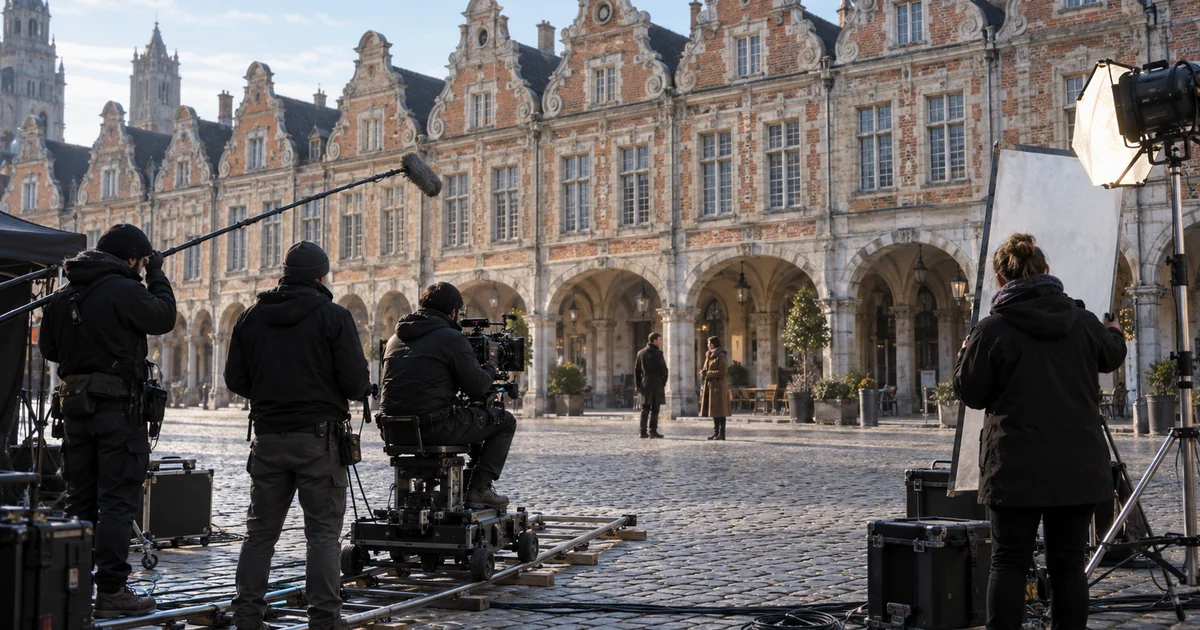
With its arcaded squares, its baroque facades and its preserved heritage, Arras offers a natural film set that sometimes attracts productions. The town has also inspired films whose action takes place within its walls, and it celebrates the seventh art each autumn with its film festival. Between a filming town and a city of film lovers, Arras maintains a particular link with cinema. A look back at Arras on screen, a set-town with a photogenic heritage and a cinema rendezvous in the Hauts-de-France.
Arras, a town of cinema
Arras maintains with cinema a multi-faceted relationship. The town is first a potential set, thanks to its remarkable architectural heritage, which offers productions a photogenic and authentic setting. It is also a city of film lovers, which celebrates the seventh art through its film festival, an annual rendezvous become unmissable in the region. Finally, Arras has inspired or hosted works, its setting serving as a set or backdrop for films. This multiple relationship between Arras and cinema testifies to the cultural richness of the town and to the appeal exerted by its heritage. Far from being only a town of history, Arras also belongs to the universe of cinema, as a set, as a subject and as a place of celebration of the seventh art. This cinematographic dimension, often unknown, adds to the image of the town a contemporary and cultural facet. Cinema finds at Arras a favourable setting, between photogenic heritage and animated cultural life. This relationship illustrates the capacity of the town to combine its rich past and a current cultural life, open onto the arts. To understand the link between Arras and cinema allows one to grasp this cultural dimension of the town. A potential set thanks to its heritage, a city of film lovers with its festival, a source of inspiration for films: Arras maintains with the seventh art a multi-faceted relationship. This cinematographic dimension enriches the image of the town, testifying to its cultural richness and the appeal of its heritage. Between set, subject and celebration, cinema is part of the cultural life of Arras, adding to the city a contemporary and living facet.
A natural film set
The principal asset of Arras for cinema lies in its architectural heritage, which offers a natural and authentic set. The famous arcaded squares, with their baroque facades of Flemish inspiration, constitute, around the Grand-Place of Arras, a remarkable setting, favourable to period as well as contemporary scenes. This preserved heritage, unique of its kind, offers productions a ready-made set, without the need for reconstruction. The lanes of the historic centre, the monuments and the squares compose a rich and varied environment, which can serve as a setting for numerous types of scenes. This authenticity and this richness make Arras a set of choice for cinema, capable of evoking different eras and different atmospheres. The Arras heritage, with its character and its homogeneity, presents the advantage of offering a coherent and immersive set. Where other places require arrangements or reconstructions, Arras offers an authentic setting, ready to be filmed. This quality of natural set constitutes one of the appeals of the town for cinematographic productions. The preserved heritage of Arras, notably its squares, is thus a major asset for cinema, offering a photogenic and authentic set. To understand the asset that the heritage of Arras represents allows one to grasp its interest for cinema. With its arcaded squares and its baroque facades, the town offers a natural and authentic set, favourable to varied scenes. This preserved heritage, coherent and immersive, constitutes a setting of choice for productions, without the need for reconstruction. This quality of natural set makes Arras an attractive town for cinema, whose photogenic heritage offers a remarkable setting for the filming of films.
Arras on screen
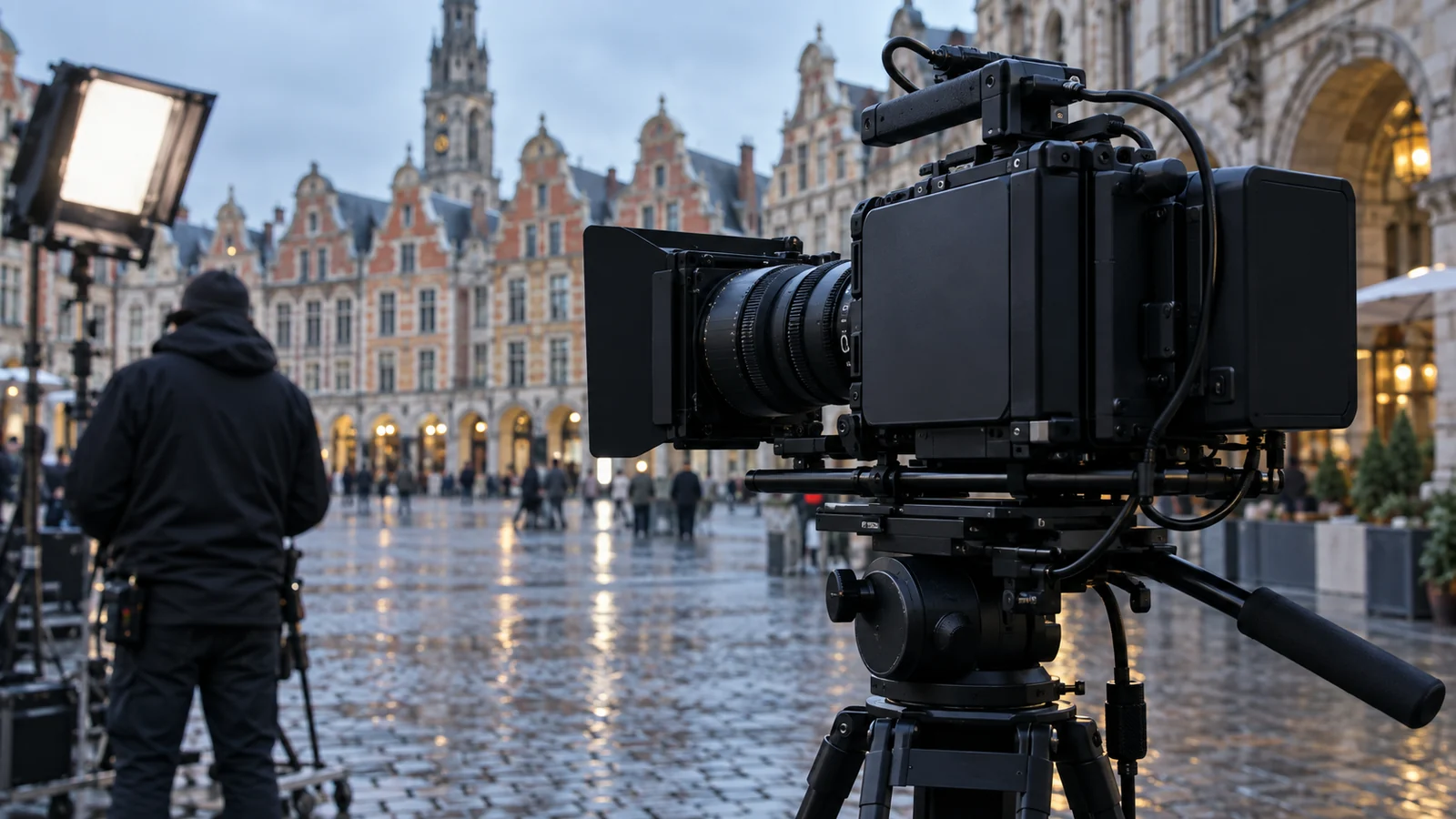
Arras has inspired works and served as a setting for films, thus appearing on screen. Among the films linked to the town, one can cite « Pas son genre » (Not My Type), whose action takes place in Arras: this film, adapted from a novel, stages a story situated in the town, making the city the setting of its plot. This type of work, whose story takes place in Arras, contributes to making the town known and to inscribing it in the cinematographic imagination. Beyond the films whose action is situated explicitly in Arras, the town can also appear as a set in various productions, its heritage serving as a setting for scenes. The presence of Arras on screen, whether as a subject or as a set, testifies to the appeal of the town and its heritage for cinema. To see Arras on screen allows one to discover it in another light, through the gaze of filmmakers. This cinematographic presence contributes to the influence of the town, by making it known to a wide public. The films linked to Arras, by their setting or their subject, take part in the image and notoriety of the city. This dimension, that of a town present on screen, adds to the cultural appeal of Arras. To understand the presence of Arras on screen allows one to grasp this facet of the link between the town and cinema. Films like « Pas son genre », whose action takes place in the town, inscribe Arras in the cinematographic imagination, while its heritage can serve as a set for various productions. This presence on screen, as a subject or as a setting, contributes to the influence of the town and testifies to the appeal of its heritage for cinema, making Arras a city present in the universe of the seventh art.
Filming in Arras
The heritage of Arras makes it a place favourable to the filming of films. The productions that choose the town find there an authentic and varied set, as well as a setting favourable to cinematographic work. To film in Arras is to benefit from a remarkable heritage, capable of serving as a setting for period as well as contemporary scenes. The town thus welcomes, on occasion, filming crews, which invest its streets and its squares to film. These filmings are events for the town, offering a spotlight on its heritage and temporarily animating its streets. To welcome a cinematographic production also represents a recognition of the quality of the set offered by the town. The filmings contribute to the notoriety of Arras and to its image of a town with a remarkable heritage. They testify to the appeal that the city exerts on filmmakers, won over by its setting. To film in Arras is to inscribe the town in a cinematographic production, with the benefits that this can have in terms of image and notoriety. This dimension of filming town, occasional but real, is part of the link between Arras and cinema. To understand the interest of filming in Arras allows one to grasp the appeal of the town for productions. Offering an authentic and varied set, the town welcomes on occasion filming crews, won over by its heritage. These filmings, events for the city, offer a spotlight on its heritage and contribute to its notoriety. This dimension of filming town testifies to the appeal of Arras for cinema, whose remarkable heritage constitutes a set of choice for productions.
| Asset | For cinema |
|---|---|
| The arcaded squares | A photogenic baroque set |
| The preserved heritage | An authentic setting, no reconstruction |
| The historic centre | Varied streets and monuments |
| The film festival | An annual cinema rendezvous |
Heritage, an asset for cinema
If Arras offers such a film set, it is thanks to its preserved heritage, the fruit of a remarkable history and reconstruction. The famous squares, the belfry, the town hall and the whole historic centre, largely rebuilt identically after the destructions of the First World War, offer a coherent and authentic set. This preservation of the heritage, as the history of the reconstruction of Arras identically recalls, is what allows the town to offer today a setting so favourable to cinema. Without this fidelity to the pre-war heritage, Arras would not offer the homogeneous and authentic set that wins over productions. The Arras heritage, preserved and showcased, thus constitutes a major asset for cinema. It offers filmmakers a unique setting, capable of evoking different eras. This quality of the set, the fruit of the preservation of the heritage, makes Arras an attractive town for filmings. The link between heritage and cinema illustrates one of the benefits of the preservation of heritage: to offer a setting of choice for cinematographic creation. To understand this link allows one to grasp why Arras offers such a set. Thanks to its preserved heritage, largely rebuilt identically after the war, the town offers a coherent and authentic setting, favourable to cinema. This preservation, which makes the beauty of the city, also constitutes an asset for productions, won over by this unique set. The heritage of Arras, preserved and showcased, is thus a major asset for cinema, offering filmmakers a remarkable setting, a testimony of the historical richness and beauty of the town.
The Arras film festival
The cinematographic dimension of Arras is also expressed through its film festival, an annual rendezvous that celebrates the seventh art. Each autumn, the town welcomes this event, which honours cinema and attracts film lovers and professionals. The festival offers screenings, encounters and discoveries, making Arras, for the duration of the event, a capital of cinema in the region. This event contributes to the cultural influence of the town and to its animation. It testifies to the attachment of Arras to cinema and to its cultural vitality. The film festival, become an unmissable rendezvous, is part of the cultural life of Arras and of its identity. It offers inhabitants and visitors the occasion to discover films and to celebrate the seventh art. To learn more about this event, one can discover the Arras film festival, which animates the town each autumn. This event constitutes one of the most visible aspects of the link between Arras and cinema. It asserts the cinematographic vocation of the town and contributes to its cultural influence. To understand the role of the festival allows one to grasp this dimension of the link between Arras and cinema. An annual rendezvous celebrating the seventh art, it makes Arras, each autumn, a capital of cinema in the region, attracting film lovers and professionals. This event, become unmissable, contributes to the cultural influence of the town and testifies to its attachment to cinema. The Arras film festival, a major aspect of the link between the town and the seventh art, asserts the cinematographic vocation of the city and animates its cultural life.
Cinema and attractiveness
The link between Arras and cinema contributes to the attractiveness of the town. The presence on screen, the filmings and the festival take part in the influence and image of the city. To appear in films or to welcome productions offers a spotlight on the heritage and contributes to making the town known. Likewise, the film festival attracts visitors each year and puts Arras in the light. This cinematographic dimension thus takes part in the tourist and cultural attractiveness of the town. Cinema, by showcasing the heritage and animating the cultural life, contributes to the image of Arras as a town of heritage and culture. This showcasing by cinema adds to the other assets of the town, reinforcing its attractiveness. The presence in the cinematographic imagination, through the films linked to the town, also contributes to its notoriety. Cinema is thus a vector of influence for Arras, showcasing its heritage and its cultural life. This dimension takes part in the attractiveness of the town, by making it known and by showcasing its assets. To understand the link between cinema and attractiveness allows one to grasp the benefits of this dimension for the town. The presence on screen, the filmings and the festival contribute to the influence and image of Arras, showcasing its heritage and animating its cultural life. This cinematographic dimension takes part in the tourist and cultural attractiveness of the town, by making it known and by putting its assets in the light. Cinema is thus a vector of influence for Arras, which reinforces its image of a town of heritage and culture.
Arras and the seventh art
Arras thus maintains with the seventh art a rich and multiple relationship, which is part of its cultural identity. A set-town thanks to its heritage, present on screen through films, and celebrating cinema with its festival, the city belongs fully to the universe of cinema. This dimension, often unknown, adds to the image of Arras a contemporary and cultural facet, completing its rich historical heritage. The link between Arras and cinema illustrates the capacity of the town to combine its past and a current cultural life. It testifies to the appeal of its heritage and to its cultural vitality. To discover Arras from the angle of cinema is to enrich the knowledge of the town with an original dimension. It is also to understand how heritage, preserved and showcased, can find new uses and contribute to the influence of the city. The seventh art is thus part of the cultural life of Arras, alongside its other riches. This relationship, between set, subject and celebration, testifies to the openness of the town onto the arts and to its cultural dynamism. To understand the link between Arras and the seventh art allows one to appreciate this dimension of the town. A set-town, present on screen and celebrating cinema with its festival, Arras maintains with cinema a rich and multiple relationship. This dimension, which adds to the image of the town a cultural and contemporary facet, testifies to the appeal of its heritage and to its vitality. The seventh art is part of the cultural identity of Arras, illustrating the capacity of the city to combine its rich past and a living cultural life, open onto the arts and cinema.