
The Resistance in Arras: how did people resist the occupier during the war?
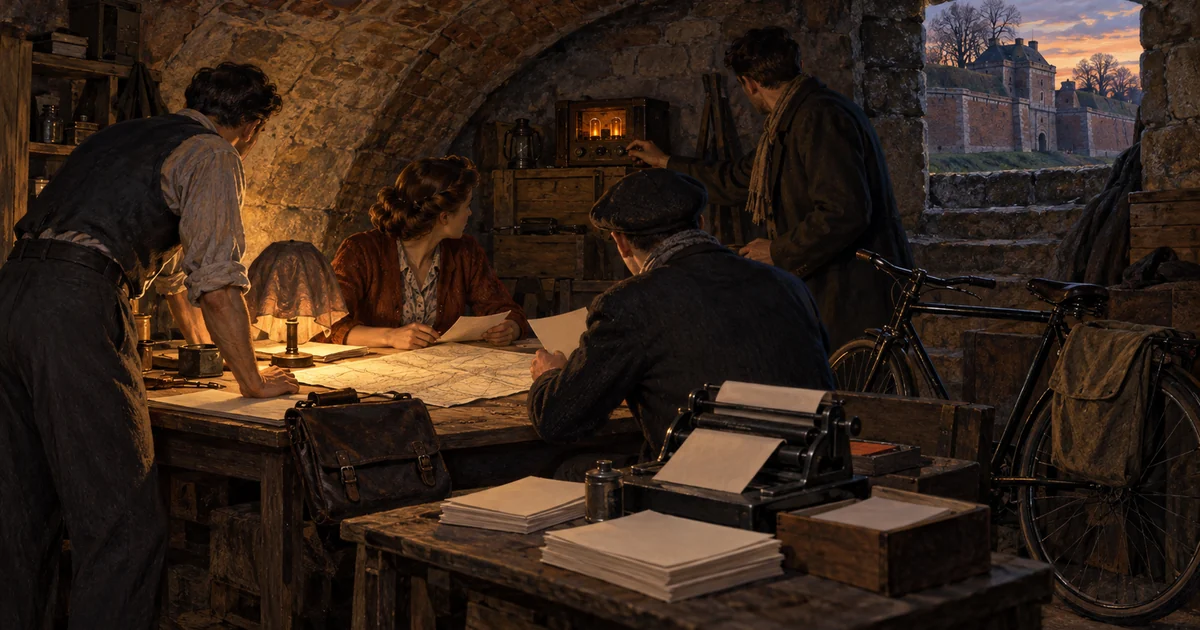
During the dark years of the Occupation, women and men of Arras and its region chose to resist the occupier. Clandestine networks, intelligence actions, aid to the persecuted: the Resistance took multiple forms, at the price of immense risks. Many paid for it with their lives, notably at the Wall of the Shot of the citadel, where resistance fighters and hostages were executed. A look back at the Resistance in Arras during the Second World War, its networks, its repression and the memory of those who refused oppression.
Arras under the Occupation and the Resistance
After the defeat of 1940 and the Occupation, Arras, like all of occupied France, lived under the weight of the enemy authority. This situation, marked by constraints and the loss of liberties, as the history of the Battle of Arras of 1940 and the Occupation recalls, also aroused, in part of the population, the will to resist. Faced with the occupier, some refused resignation and engaged in the Resistance. This courageous and dangerous choice exposed those who made it to immense risks, from arrest to execution. The Resistance developed in a difficult context, that of an occupied region, under the surveillance of the enemy. Arras and its region, in the north of France, knew like elsewhere the development of resistance movements and networks. This resistance, which took diverse forms, testified to the refusal of oppression and the will to fight the occupier. It belonged to the wider movement of the French Resistance, which developed throughout the country during the Occupation. At Arras, like everywhere, women and men chose to resist, at the peril of their lives. To understand the context of the Occupation and the Resistance allows one to grasp the commitment of those who refused oppression. Faced with the enemy authority, part of the population chose resistance, in a context of danger and repression. This resistance, at Arras like elsewhere, testified to the courage of those who, refusing resignation, engaged against the occupier, in the hope of liberation and at the price of considerable risks.
What is the Resistance?
The Resistance designates all the actions conducted, during the Occupation, to oppose the occupier and its accomplices. It took multiple forms, from intelligence to sabotage, through clandestine propaganda, aid to the persecuted and escaped prisoners, or armed struggle. To resist could mean distributing clandestine leaflets and newspapers, gathering and transmitting intelligence, helping those who were sought or persecuted, or conducting actions against the occupier. These different forms of resistance, more or less organised, had in common the refusal of oppression and the will to contribute to liberation. The Resistance was not a single and homogeneous movement, but a set of diverse commitments, borne by women and men of all backgrounds. It gradually structured itself into networks and movements, coordinating the actions and organising the clandestine struggle. To engage in the Resistance supposed a considerable courage, for the risks were immense: arrest, torture, deportation or execution awaited those who were discovered. Despite these dangers, numerous resistance fighters engaged, in the name of liberty and the refusal of oppression. To understand what the Resistance was allows one to grasp the diversity and courage of this commitment. Taking multiple forms, from intelligence to armed struggle, the Resistance gathered those who refused the occupation and wanted to contribute to liberation. This commitment, courageous and dangerous, testified to the refusal of oppression. At Arras like everywhere in occupied France, women and men thus engaged in the Resistance, at the peril of their lives, to fight the occupier and prepare the liberation.
The resistance networks in the North
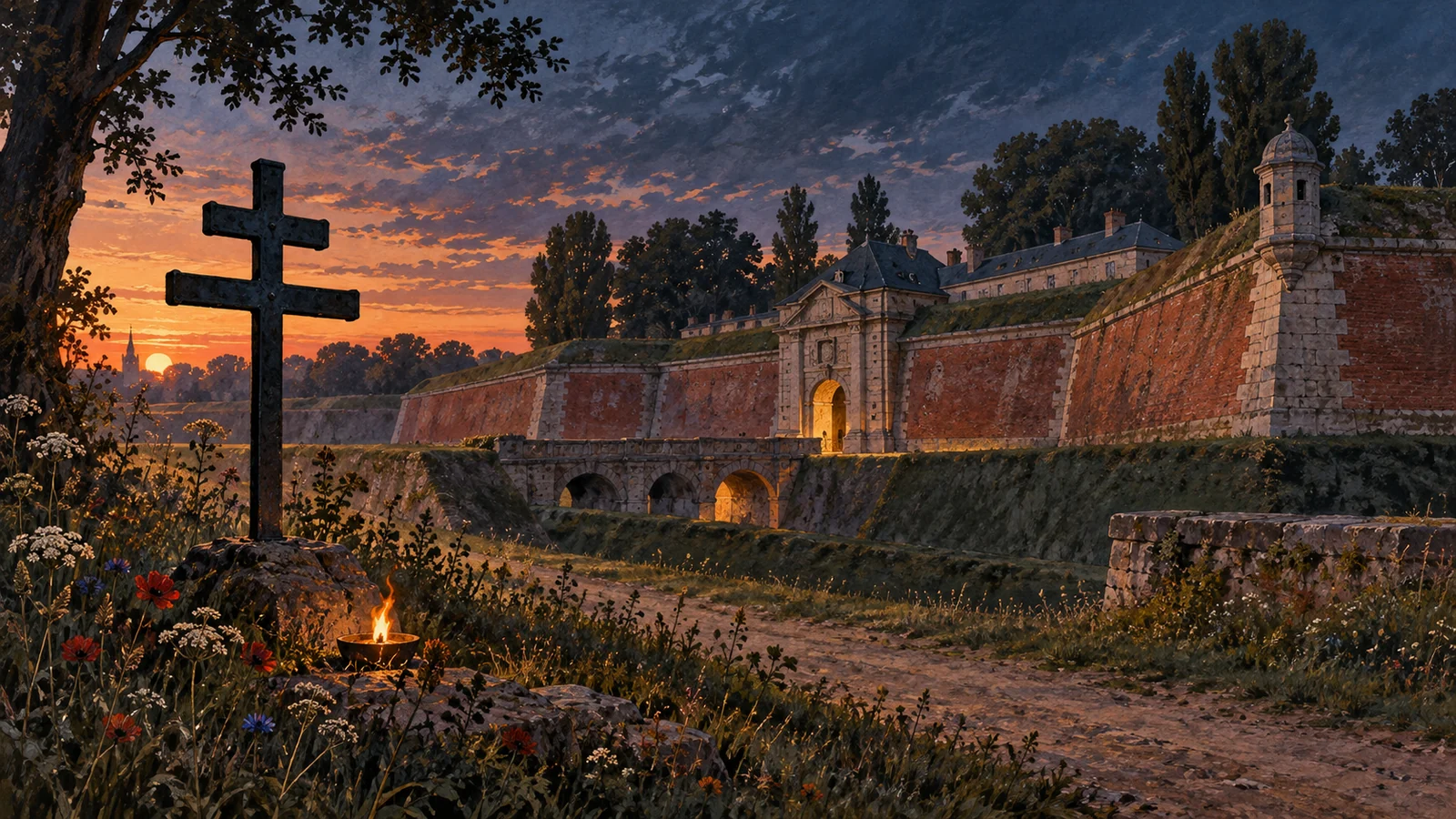
In the north of France, several resistance movements and networks established themselves during the Occupation. Among them, the Civil and Military Organisation, known by the initials OCM, was one of the active resistance movements in the region. These networks structured the clandestine action, coordinating intelligence, propaganda, aid to the persecuted and, sometimes, actions against the occupier. The north of France, a frontier and strategic region, occupied by the enemy, was an important field of action for the Resistance. The networks conducted diverse activities there, in conditions of permanent danger. The organisation into networks allowed the resistance to be structured and coordinated, while maintaining the secrecy indispensable to the survival of the members. These networks linked resistance fighters engaged in different actions, forming a clandestine fabric of struggle against the occupier. Arras and its region belonged to this landscape of the Resistance of the North, where these movements and networks operated. The commitment of the resistance fighters, within these organisations, testified to the refusal of oppression and the will to fight the occupier. These networks, despite the risks and the repression, pursued their action during the years of Occupation, contributing to the Resistance and to the preparation of the liberation. To understand the role of the networks allows one to grasp the organisation of the Resistance in the North. Movements like the OCM structured the clandestine action, coordinating the resistance fighters engaged against the occupier. Arras and its region took part in this landscape of the Resistance, where these networks operated, in conditions of permanent danger. This organised commitment, within the networks, was one of the forms of the Resistance in the North during the Occupation.
Resisting in daily life
To resist, during the Occupation, was often played out in daily life, in discreet but perilous gestures. Beyond the spectacular actions, the Resistance was made of countless everyday acts: distributing a leaflet, hiding a sought person, transmitting information, refusing to collaborate. These apparently modest gestures demanded a considerable courage, for they exposed those who accomplished them to terrible risks. To resist in daily life was to live in permanent danger, under the threat of denunciation, arrest and repression. The resistance fighters led a double life, concealing their commitment under an ordinary appearance, while pursuing their clandestine action. This daily resistance, discreet and dangerous, was the lot of most resistance fighters, whose commitment translated into concrete, often perilous acts. It testified to a courage of every instant, in a context where the slightest false step could be fatal. The daily Resistance, made of these discreet and risky gestures, constituted the essential of the resistance commitment. It recalls that the Resistance was not only a matter of striking actions, but also and above all of daily courage, in the shadow and the danger. To understand the daily resistance allows one to grasp the reality of the resistance commitment. Made of discreet but perilous gestures, the Resistance was played out in daily life, exposing those who engaged in it to immense risks. This courage of every instant, in the shadow and the danger, was the lot of the resistance fighters, whose daily commitment, discreet and dangerous, testified to the refusal of oppression and the will to fight the occupier, day after day, at the peril of their lives.
The repression of the occupier
Faced with the Resistance, the occupier exercised a merciless repression. The resistance fighters discovered, as well as the hostages, exposed themselves to arrest, torture, deportation and execution. This ferocious repression aimed to break the Resistance and to terrorise the population to dissuade any commitment. The arrests, imprisonments and executions struck those who resisted or were suspected of doing so, as well as hostages taken from among the population. This violence of the occupier illustrates the dangers to which the resistance fighters exposed themselves and the price they paid for their commitment. The repression made numerous victims, resistance fighters and hostages, executed or deported. At Arras, like in all the occupied region, this repression fell upon those who refused oppression. The executions, in particular, tragically marked this period, making numerous victims among the resistance fighters and hostages, notably in the ditches of the citadel of Arras. This merciless repression testifies to the brutality of the occupier and the danger incurred by the resistance fighters. It recalls the price paid by those who engaged against the occupation, often at the sacrifice of their lives. The repression of the occupier, ferocious and systematic, constitutes one of the most tragic aspects of the Occupation. To understand this repression allows one to grasp the dangers of the resistance commitment and the price it cost. Merciless, the repression struck the resistance fighters and hostages, by arrest, deportation and execution. This violence, which made numerous victims, illustrates the brutality of the occupier and the sacrifice of those who resisted. The repression, a tragic aspect of the Occupation, recalls the price paid by the resistance fighters for their commitment against oppression.
| Marker | Detail |
|---|---|
| The Resistance | Intelligence, propaganda, aid, clandestine struggle |
| The networks | Movements like the OCM in the North |
| The repression | Arrests, deportations, executions |
| The Wall of the Shot | Place of execution at the citadel of Arras |
The Wall of the Shot
The most emblematic place of the repression at Arras is the Wall of the Shot, at the citadel. It is in the ditches of the citadel that numerous resistance fighters and hostages were executed during the Occupation. This place, today become a memorial, perpetuates the memory of those who were shot there by the occupier. The Wall of the Shot is a major place of memory, honouring the sacrifice of the victims of the repression. It recalls the tragedy of the Occupation and the price paid by those who resisted or were taken as hostages. This place of remembrance, which one can discover by visiting the Wall of the Shot, is charged with a painful and solemn memory. Situated in the citadel of Vauban, this place conceived for defence became, during the Occupation, a place of tragedy and death. The Wall of the Shot honours today the memory of the resistance fighters and hostages who lost their lives there, victims of the repression of the occupier. It constitutes one of the principal places of memory of the Second World War at Arras, testifying to the sacrifice of those who refused oppression. To understand the Wall of the Shot allows one to grasp the tragic dimension of the repression at Arras. A place of execution of resistance fighters and hostages, it has become a memorial honouring the sacrifice of the victims. This place of memory, charged with remembrance, perpetuates the memory of those who were shot there, victims of the repression of the occupier. The Wall of the Shot thus remains an essential place of the memory of the Resistance and the Second World War at Arras, honouring those who paid with their lives for their commitment or were victims of the violence of the occupier.
Honouring the resistance fighters
After the war, France strove to honour the resistance fighters and to perpetuate their memory. At Arras like elsewhere, monuments, ceremonies and places of memory pay homage to those who engaged in the Resistance and to those who were victims of the repression. The Wall of the Shot, in particular, is a place of commemoration where one honours the memory of the shot. These homages recall the courage and sacrifice of the resistance fighters, whose commitment contributed to the liberation. To honour the resistance fighters is to recognise their courage and sacrifice, but also to transmit their memory to future generations. The commemoration of the Resistance belongs to the duty of memory, which aims not to forget the ordeals of the Occupation and the sacrifice of those who resisted. These homages perpetuate the memory of a dark but also heroic page of history. They recall that, faced with oppression, women and men chose to resist, at the peril of their lives. To honour their memory is to recognise their commitment and to transmit their example. The memory of the Resistance, maintained through the commemorations and the places of memory, thus honours the courage and sacrifice of those who refused oppression. To understand the importance of honouring the resistance fighters allows one to grasp the meaning of the duty of memory. To recognise their courage and sacrifice, to transmit their memory: such is the stake of the commemoration of the Resistance. These homages, rendered notably at the Wall of the Shot, perpetuate the memory of those who engaged and of those who fell, honouring their memory and transmitting their example to future generations, in respect of the duty of memory.
The memory of the Resistance in Arras
The Resistance occupies an important place in the memory of Arras during the Second World War. The memory of those who resisted and of those who were victims of the repression is part of the history of the town during this period. The places of memory, like the Wall of the Shot, and the commemorations perpetuate this memory, honouring the courage and sacrifice of the resistance fighters and hostages. This memory belongs to the wider memory of the Second World War and the Occupation, which deeply marked the town. The Resistance testifies to the refusal of oppression and the courage of those who engaged, at the peril of their lives, against the occupier. To honour this memory is to remember their commitment and their sacrifice, but also to recall the values of liberty and refusal of oppression that animated them. The memory of the Resistance in Arras, maintained through the places of memory and the commemorations, perpetuates the memory of this heroic page of history. It recalls that, in the darkest hours, women and men chose to resist, embodying courage and dignity in the face of oppression. This memory, transmitted to future generations, honours their memory and their example. To understand the memory of the Resistance allows one to grasp its place in the history of Arras during the war. Honoured through the places of memory and the commemorations, the Resistance testifies to the courage of those who refused oppression. Its memory, maintained at Arras, perpetuates the memory of the resistance fighters and the victims, recalling their commitment and their sacrifice. This page of history, dark but heroic, is part of the memory of Arras, honouring those who, faced with the occupation, chose resistance and liberty.