
The Battle of Arras of 1940: what was the counter-attack and the Occupation?
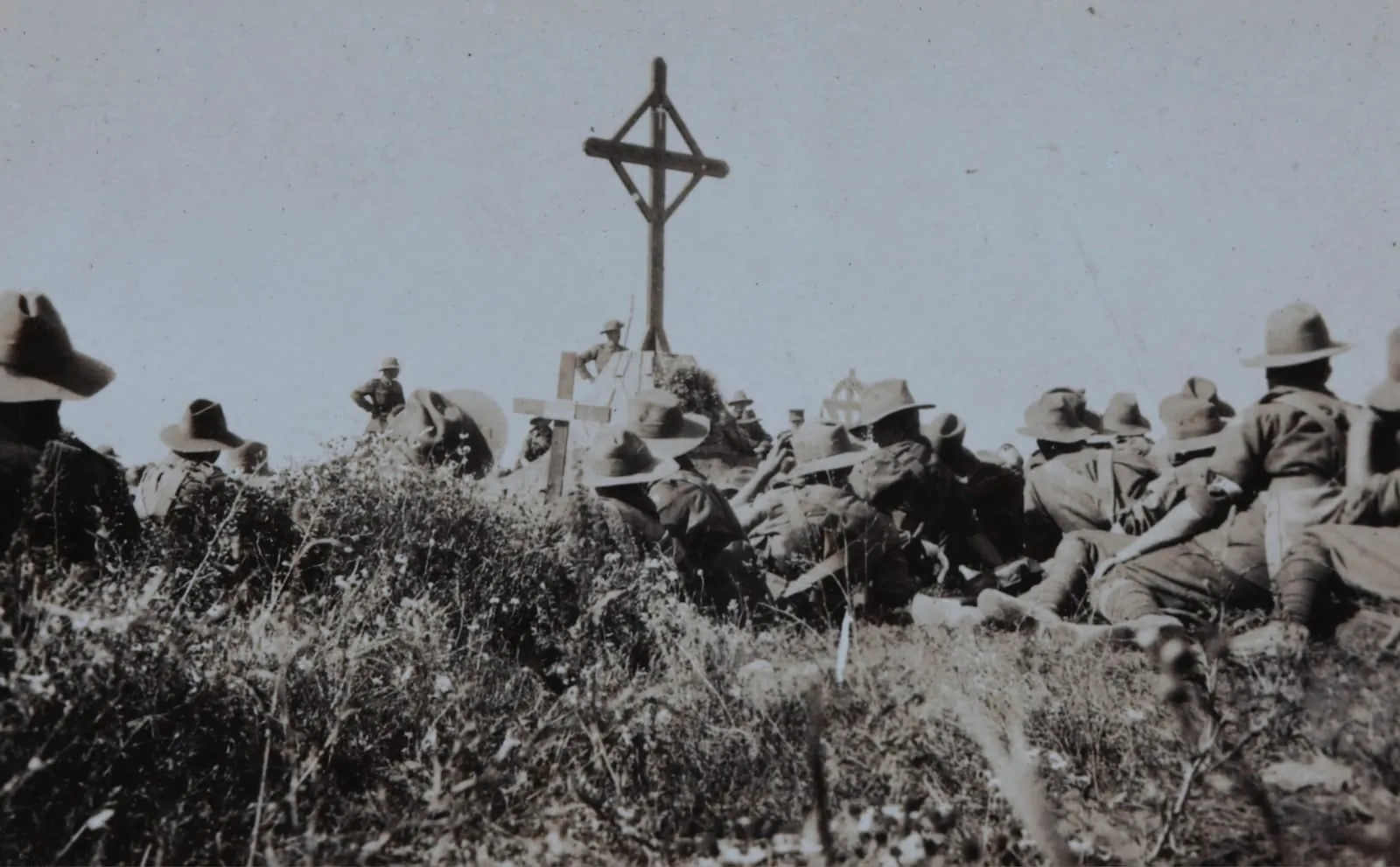
In May 1940, during the Battle of France, Arras was the theatre of a counter-attack that briefly surprised the German army in full advance. Conducted notably by British armour, this action, though without a sequel, struck minds. The town then fell into enemy hands and knew four years of Occupation, until the Liberation of 1944. A little more than twenty years after the martyrdom of the Great War, Arras faced once again the ordeal of war. A look back at the Battle of Arras of 1940, the counter-attack and the years of Occupation.
Arras in the Second World War
In May 1940, the Battle of France plunged Arras once again into war. The German offensive, launched through the Ardennes, jostled the Allied armies and progressed rapidly towards the north and west. In this lightning advance, the region of Arras found itself on the path of the German armour, which rushed towards the sea to encircle the Allied armies. The town, which had suffered so much during the First World War, as the history of Arras under the shells recalls, found itself once again at the heart of the combats, barely more than twenty years later. The context of 1940 was however quite different from that of 1914-1918. It was no longer a matter of a stabilised trench warfare, but of a war of movement, marked by the rapidity of the German advance and the breakthrough of the armour. Arras found itself on the axis of this progression, in a region where the fate of the Battle of France was played out. The town, a strategic stake, was to be the theatre of a notable military action, the counter-attack of May 1940. This situation placed Arras back at the heart of the war, in a conflict that, like the previous one, was to try it harshly. To understand the context of 1940 allows one to grasp the place of Arras in the Battle of France. On the path of the German advance, the town found itself at the heart of the combats, in a war of movement quite different from that of 1914. Arras, which had known the martyrdom of the Great War, faced once again the ordeal of war, in a conflict that was to, once more, deeply mark the town and its region.
The counter-attack of 1940
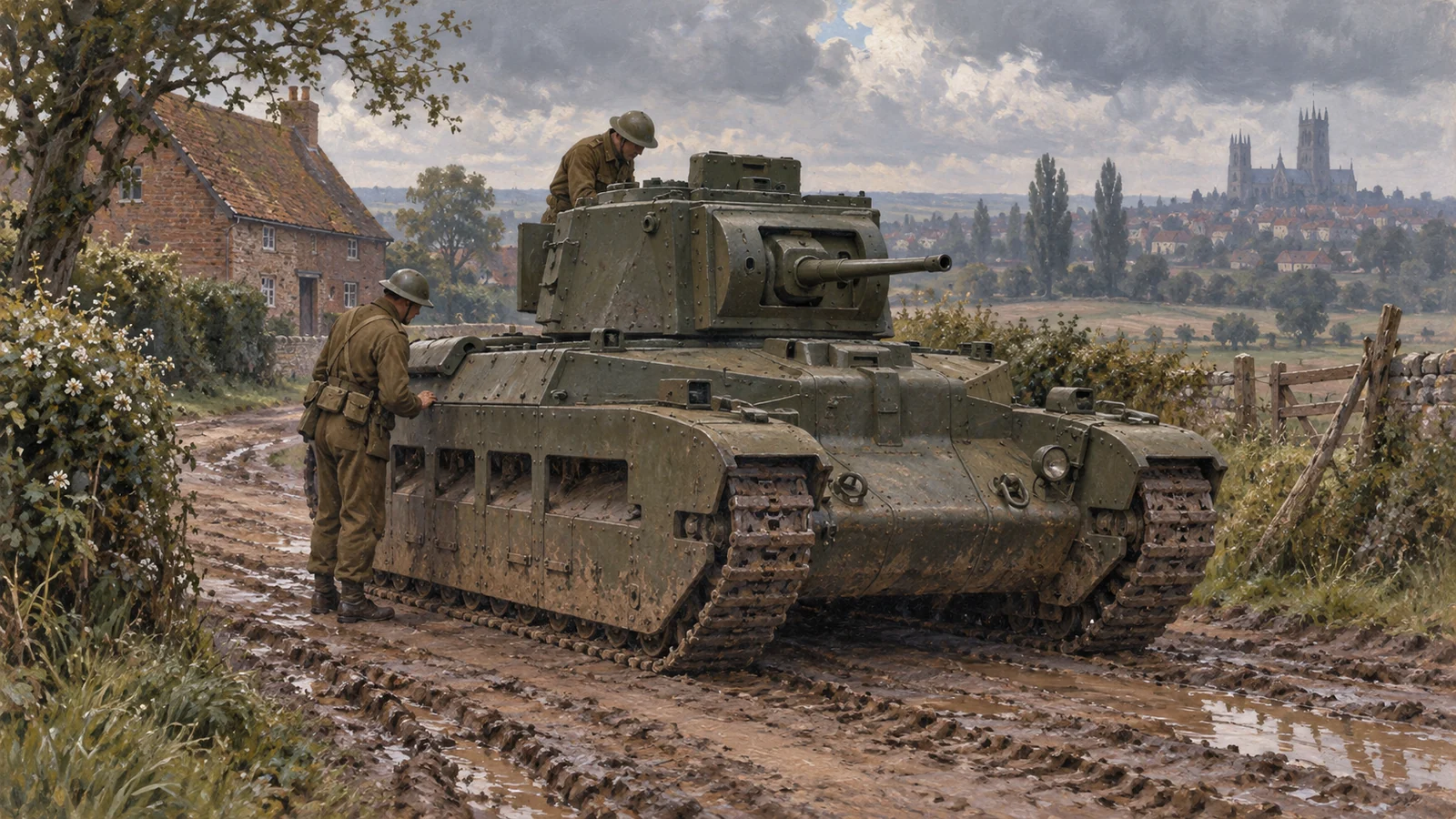
On 21 May 1940, a counter-attack was launched in the sector of Arras, against the flank of the German forces in full advance. Conducted notably by British armour, supported by French elements, this action aimed to slow the enemy progression and to loosen the vice that was closing on the Allied armies. The counter-attack struck a German armoured division, commanded by General Rommel, which was progressing in the region. Thanks to their tanks, notably heavy armour difficult to stop, the assailants surprised the Germans and inflicted a shock on them. This action, conducted in the desperate context of the Battle of France, testified to the will to resist the enemy advance. The counter-attack of Arras, though limited in its effects, caused a moment of wavering and worry in the German ranks, surprised by this unexpected resistance. It remains, in the history of the Battle of France, one of the rare moments when the Allied forces briefly regained the initiative. This action, conducted near Arras, inscribed the town in the history of the campaign of 1940. The counter-attack, despite its outcome, illustrated the combativity of the Allied forces in an otherwise unfavourable context. To understand the counter-attack of 1940 allows one to grasp a notable episode of the Battle of France. Conducted near Arras against the German armour, it surprised the enemy and struck minds, even if it could not change the course of the battle. This episode, one of the rare temporary successes of the Allies during the campaign, inscribed Arras in the history of the Second World War, as the place of a counter-attack that remained famous despite its outcome.
A brief but notable shock
The counter-attack of Arras was a brief but notable shock for the German army. Surprised by this unexpected resistance and by the Allied armour, the Germans knew a moment of trouble and worry. This action, in the context of a hitherto triumphant advance, reminded them that resistance was possible and incited them to prudence. Some historians estimate that the counter-attack of Arras, in worrying the German command, could have contributed to temporarily slowing the advance, which perhaps had consequences on the rest of the campaign. However, one must not exaggerate the significance of this action: the counter-attack, conducted with limited means, was finally repulsed, and it did not change the outcome of the Battle of France, marked by the Allied defeat. Its importance is therefore above all symbolic and moral: it testified to the combativity of the Allied forces and inflicted a shock on the enemy, in an otherwise desperate context. The counter-attack of Arras thus remains a notable episode, illustrating both the will to resist and the limits of the available means. It struck minds, both on the Allied side and on the German side, as a moment of resistance in a campaign dominated by the enemy advance. To understand the significance of this action allows one to situate it justly. A brief but notable shock, the counter-attack of Arras surprised the enemy and testified to the Allied combativity, without however changing the course of the battle. Its importance, above all symbolic, makes it a marking episode of the campaign of 1940, remaining in memories as a moment of resistance in the face of the German advance, in which Arras played a notable role.
The fall and the Occupation
Despite the counter-attack, Arras could not escape the fall and the Occupation. After the failure of the Allied efforts to check the German advance, the town fell into enemy hands. Like a large part of the north of France, Arras then entered the period of the Occupation, which was to last four years, from 1940 to 1944. This occupation placed the town and its inhabitants under the authority of the occupier, with all the constraints and ordeals that this implied. Daily life was upheaved, marked by restrictions, privations, the presence of the occupier and the loss of liberties. The Occupation was a dark period, made of difficulties and sufferings for the population. Arras, which had known the martyrdom of the Great War, once again suffered the ordeal of war, this time in the form of enemy occupation. This period, like everywhere in occupied France, was marked by the weight of the occupier, the material difficulties and the tensions. It also saw develop, like elsewhere, forms of resistance to the occupier. The Occupation of Arras belongs to the history of occupied France during the Second World War, with its ordeals and its dramas. To understand the fall and the Occupation allows one to grasp this period of the history of Arras. After the counter-attack, the town fell and knew four years of occupation, marked by constraints and sufferings. This dark period, that of the Occupation, was a new ordeal for a town that had already suffered so much, and it lasted until the Liberation of 1944, which put an end to these difficult years.
Life under the Occupation
For four years, Arras lived under the weight of the Occupation. The daily life of the inhabitants was deeply marked by this situation, made of constraints, privations and the constant presence of the occupier. The food and material restrictions, the rationing, the difficulties of supply weighed on the population. The presence of the occupier, the controls, the requisitions and the loss of liberties characterised this period. Life under the Occupation was made of adaptation and survival, in a context of difficulties and tensions. Like everywhere in occupied France, the population had to cope with this situation, between resignation, adaptation and, for some, resistance. The Occupation was also marked by the dramas proper to this period: the persecutions, the arrests, the repression of the occupier. Arras, like other towns, knew these ordeals, which weighed heavily on the population. This dark period left lasting traces in the memory of the town. Life under the Occupation, made of daily difficulties and the loss of liberties, was an ordeal for the people of Arras, who had to endure these difficult years in the expectation of the Liberation. To understand life under the Occupation allows one to grasp what the population lived during these years. Made of privations, constraints and the presence of the occupier, daily life was deeply upheaved. This dark period, that of the Occupation, was an ordeal for Arras and its inhabitants, who endured these difficult years, between adaptation and resistance, in the expectation of the liberation that would come to put an end to these years of enemy occupation.
| Marker | Detail |
|---|---|
| May 1940 | The Battle of France and the counter-attack of Arras |
| The counter-attack | Allied armour surprises the enemy |
| 1940-1944 | Four years of Occupation |
| 1944 | The Liberation of Arras |
The citadel and the Wall of the Shot
During the Occupation, the citadel of Arras was the theatre of one of the most tragic episodes of this period: the executions of resistance fighters and hostages. The ditches of the citadel served as a place of execution, and the Wall of the Shot perpetuates today the memory of those who were shot there by the occupier. This place of memory recalls the sacrifice of those who resisted or were victims of the repression during the Occupation. The citadel, a work of Vauban conceived for defence, thus became, during these dark years, a place of tragedy and death. The Wall of the Shot is today a place of remembrance, honouring the memory of the victims of the occupier. It testifies to the repression that fell upon the resistance fighters and hostages during the Occupation, and to the sacrifice of those who paid with their lives for their commitment or were victims of the violence of the occupier. This place, which one can discover by visiting the citadel of Arras, is charged with a painful memory. It recalls the tragic dimension of the Occupation and the repression that characterised it. The citadel, a place of execution during these years, has become an essential place of memory. To understand the role of the citadel and the Wall of the Shot allows one to grasp the tragic dimension of the Occupation at Arras. A place of execution of resistance fighters and hostages, the citadel became the theatre of dramas, of which the Wall of the Shot perpetuates the memory. This place of remembrance honours the sacrifice of the victims and recalls the repression of the Occupation, making the citadel a major place of memory of this dark period of the history of Arras.
Towards the Liberation
After four years of Occupation, Arras finally knew the Liberation, in 1944. The advance of the Allied forces, after the landing, allowed the French territory to be gradually liberated, including the north and Arras. The liberation of the town put an end to the years of occupation and to the ordeals they had brought. This event, awaited and hoped for during the long years of the Occupation, marked the end of a dark period and the return of liberty. The Liberation was welcomed with relief and joy by a population that had endured the difficulties of the Occupation. It inscribed Arras in the movement of liberation of the territory, which, after the landing, gradually drove out the occupier. The liberation of the town, in 1944, closed the chapter of the Occupation and opened that of the reconstruction and the return to normal life. After the ordeals of the war and the Occupation, Arras could once again envisage the future in recovered liberty. This event, major in the history of the town during the Second World War, marked the end of the dark years. To understand the Liberation allows one to grasp the end of the ordeal of the Occupation. In 1944, the Allied advance liberated Arras, putting an end to four years of occupation. This event, welcomed with relief, marked the return of liberty and the end of a dark period. The Liberation of Arras, in 1944, closed the chapter of the Second World War for the town, which, after this new ordeal, could once again turn towards the future, in recovered liberty and peace.
The memory of the war at Arras
The Second World War left, like the previous one, a deep memory at Arras. The counter-attack of 1940, the years of Occupation, the repression and the Liberation are part of the history of the town during this period. The places of memory, like the Wall of the Shot, honour the memory of the victims and the resistance fighters, recalling the ordeals of the Occupation. This memory belongs to the wider memory of the wars that marked Arras in the twentieth century. The town, which had known the martyrdom of the Great War and the defence of General Barbot, once again suffered the ordeal of war with the Second World War, the Occupation and the repression. This double trauma, that of two world wars in the space of a generation, deeply marked the town and its region. To honour the memory of the Second World War is to remember the counter-attack of 1940, the years of Occupation, the victims of the repression and the Liberation. It is also to pay homage to those who resisted and to those who suffered during these years. The memory of the war at Arras, maintained through the places of memory and the recollection, recalls the ordeals endured and the sacrifice consented. To understand this memory allows one to grasp the place of the Second World War in the history of Arras. Marked by the counter-attack, the Occupation and the Liberation, this period once again made the town a theatre of war. Its memory, honoured through the places of remembrance, perpetuates the memory of the ordeals and the sacrifice, belonging to the long history of a town harshly tried by the wars of the twentieth century, but always resilient in the face of adversity.