
Boulogne-sur-Mer and Nausicaá: a maritime escapade near Arras
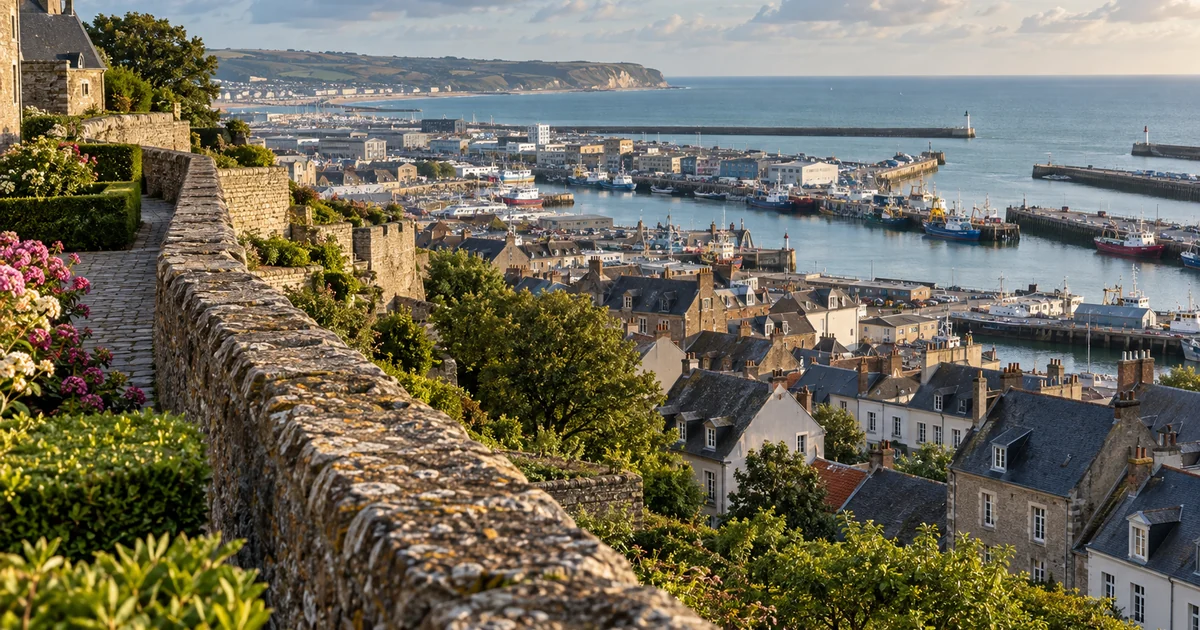
On the coastline of the Opal Coast, less than two hours from Arras, Boulogne-sur-Mer combines the pleasures of the sea and the richness of heritage. The first fishing port in France, the town shelters Nausicaá, the largest aquarium in Europe, but also a fortified upper town, a basilica with an imposing dome and a history linked to Napoleon. Between the discovery of the marine world, heritage and seaside, Boulogne-sur-Mer offers a complete and refreshing escapade. Let us set off to discover this maritime town, from its aquarium to its ramparts, to be explored from Arras.
Boulogne-sur-Mer, capital of the Opal Coast
Boulogne-sur-Mer is the main town of the Opal Coast, this coastline of the north of France renowned for its landscapes and its light. A maritime town par excellence, it lives at the rhythm of the sea, between its port, its beaches and its opening onto the Channel. Boulogne-sur-Mer distinguishes itself by the diversity of its assets: a remarkable historical heritage in its upper town, a leading port activity, and renowned facilities like its great aquarium. The town is part of the exceptional setting of the Opal Coast, of which it constitutes a gateway: to explore this coastline and its treasures, discover the Opal Coast presents the places and beaches of this remarkable region. Boulogne-sur-Mer thus offers a concentrate of the riches of the coast, between nature, heritage and maritime life. The town, at once turned towards the sea and rich in history, appeals by its diversity and its authenticity. To discover Boulogne-sur-Mer is to explore a maritime town with a varied heritage, in a remarkable coastal setting. Capital of the Opal Coast, it constitutes a destination of choice for an escapade from Arras. Its position, its port and its heritage make it a not-to-be-missed town of the region. Boulogne-sur-Mer, between sea and history, offers a rich and refreshing discovery.
Nausicaá, the largest aquarium in Europe
Nausicaá is the flagship of Boulogne-sur-Mer and one of the major attractions of the region: it is the largest aquarium in Europe. This national sea centre, enlarged in recent years, offers a spectacular immersion in the marine world, through impressive tanks and varied visit trails. Visitors discover there a multitude of species, from sharks to manta rays, by way of schools of shimmering fish, in settings recreating the marine environments. Nausicaá does not content itself with presenting marine fauna: it carries a mission of raising awareness for the protection of the oceans, inviting the public to become aware of the fragility and the importance of the marine world. The visit trails, immersive and educational, plunge the visitor into the heart of marine ecosystems, for an experience at once wondrous and instructive. Nausicaá attracts many visitors each year, come from all over the region and beyond, which makes it a major tourist driver for Boulogne-sur-Mer. The visit of the aquarium constitutes a striking experience, particularly appreciated by families and lovers of the sea. Nausicaá, by its extent and its richness, is a destination in its own right, which alone justifies the trip. To discover this exceptional aquarium is to plunge into the beauty and diversity of the marine world. Nausicaá, the largest aquarium in Europe, thus remains the flagship attraction of Boulogne-sur-Mer.
The fortified upper town
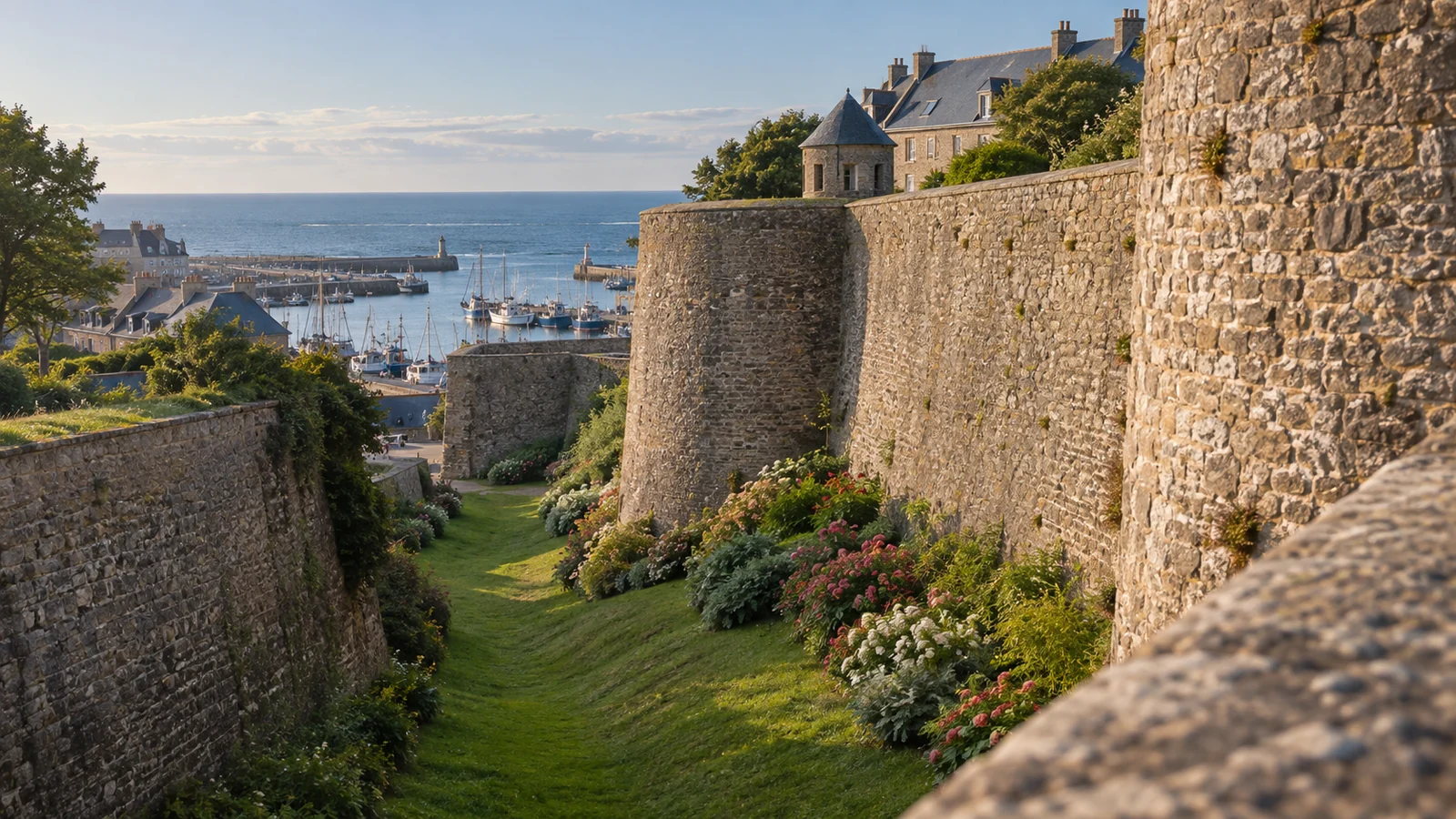
Above the port and the lower town rises the upper town of Boulogne-sur-Mer, a historic heart girded with ramparts. This fortified town, of ancient origins, retains its medieval walls, which one can walk to make the tour of the old town and enjoy fine views. Within this enclosure unfolds a remarkable heritage ensemble, with cobbled lanes, ancient houses and monuments witnessing history. The comital castle, a medieval fortress, today shelters a museum presenting varied collections, while the belfry, inscribed on the World Heritage List under the belfries of the region, dominates the upper town. These monuments, between military architecture and civil heritage, testify to the rich past of Boulogne-sur-Mer. To stroll in the upper town, sheltered by the ramparts, offers a plunge into history, far from the bustle of the port and the lower town. This part of the town, preserved and full of charm, constitutes one of the major attractions of Boulogne-sur-Mer. The tour of the ramparts, in particular, allows one to discover the town from a unique angle, between history and panoramas. The upper town, with its monuments and its atmosphere, contrasts with the maritime dynamism of the lower town. To discover the fortified upper town is to go back in time in the heart of Boulogne-sur-Mer. This heritage, remarkably preserved, makes the town a destination rich in history.
| Site | To discover |
|---|---|
| Nausicaá | The largest aquarium in Europe |
| The upper town | Ramparts, comital castle and belfry |
| Notre-Dame basilica | Imposing dome and vast crypt |
| The fishing port | The first fishing port in France |
The Notre-Dame basilica and its crypt
Dominating the upper town with its imposing dome, the Notre-Dame basilica is one of the emblematic monuments of Boulogne-sur-Mer. Built in the nineteenth century, on the site of a former disappeared cathedral, it strikes by its dimensions and by its dome, visible from afar, which marks the landscape of the town. The edifice, of monumental style, testifies to the religious importance of Boulogne-sur-Mer, a former renowned place of Marian pilgrimage. Beneath the basilica hides one of its greatest treasures: a vast crypt, one of the most extensive in France, which conceals ancient vestiges and ornate rooms. This crypt, underground, testifies to the history of the site and the edifices that succeeded one another at this location. The visit of the basilica and its crypt offers a plunge into the religious and architectural history of the town. The dome, the monumental interior and the crypt constitute remarkable elements, to be discovered during the visit. The Notre-Dame basilica, by its extent and its history, occupies a central place in the heritage of Boulogne-sur-Mer. It recalls the pilgrimage past of the town and its religious importance through the centuries. To discover the basilica and its crypt is to explore a major monument and its underground history. This edifice, the spiritual heart of the upper town, adds to the heritage richness of Boulogne-sur-Mer.
The first fishing port in France
Boulogne-sur-Mer is renowned for being the first fishing port in France, a title that testifies to the importance of its maritime activity. For centuries, fishing has shaped the identity and the economy of the town, which lives at the rhythm of the tides and the landings. The port, lively and active, is the theatre of an intense activity, between fishing boats, the fish auction and the seafood-processing industries. This maritime tradition, anchored in the history of the town, continues today, making Boulogne a major centre of the fishing sector. The port offers the visitor a living spectacle, that of a town turned towards the sea and its exploitation. Nearby, the Opal Coast unfolds its spectacular landscapes, between beaches and cliffs, of which the famous capes offer grandiose panoramas: the Site des Deux Caps illustrates the wild beauty of this coastline, very close to Boulogne. Fishing and the sea are thus at the heart of the identity of Boulogne-sur-Mer, between economic activity and natural setting. To discover the port and its activity is to understand the maritime soul of the town. This fishing port, the first in France, makes the pride and renown of Boulogne-sur-Mer. The sea, omnipresent, shapes the life and landscape of the town. Boulogne-sur-Mer, a major fishing port, thus embodies the link between the town and the ocean.
Napoleon and the camp of Boulogne
Boulogne-sur-Mer is also marked by a Napoleonic episode: the camp of Boulogne. At the beginning of the nineteenth century, Napoleon gathered on the heights of the town and around it an immense army, the Grande Armée, in the project to invade England. This military camp, one of the vastest gatherings of troops of the era, durably marked the history of the town and the region. It is notably at Boulogne that one of the first presentations of the Legion of Honour was organised, during a ceremony that remained famous. The project of invasion was finally abandoned, the army being redirected towards other theatres of operations, but the episode left a lasting imprint. To commemorate this moment, a monumental column, the Column of the Grande Armée, was erected near the town, dominating the landscape. This monument, dedicated to Napoleon and his army, recalls this historical episode and offers a remarkable viewpoint. The visit of the column and the discovery of this history add an imperial dimension to the discovery of Boulogne-sur-Mer. This Napoleonic episode is part of the rich past of the town, between military history and great projects. To discover the camp of Boulogne and its column is to explore a page of the Napoleonic epic. This historical heritage completes the discovery of the maritime town. Napoleon and the camp of Boulogne are thus part of the singular history of Boulogne-sur-Mer.
Strolling and discovering the town
Beyond its great sites, Boulogne-sur-Mer lends itself to strolling, between the upper town, the port and the seaside. The upper town, with its cobbled lanes, its ancient houses and its ramparts, invites one to walk, in a preserved atmosphere full of charm. The lower town and the port, lively, offer a vivid contrast, between shops, restaurants and maritime activity. The seafront and the beaches, for their part, allow one to enjoy the coastal setting and the sea air, for a relaxing break. Boulogne-sur-Mer is also renowned for its seafood, which one savours in its restaurants, offering a gastronomic experience linked to its fishing tradition. To stroll in the town is to pass from the historic ramparts to the lively quays, from heritage to the sea, in a diversity of atmospheres. This variety makes all the charm of Boulogne-sur-Mer, where each district offers a different atmosphere. To take the time to discover the town, on foot, allows one to appreciate all its facets. Between history, sea and gastronomy, Boulogne-sur-Mer offers a complete and savoury discovery. The stroll, without imposed itinerary, reveals the charms of this maritime town. To discover Boulogne-sur-Mer along the walk is to taste the richness and diversity of the town. This escapade, between heritage and seaside, appeals to all visitors.
Discovering Boulogne-sur-Mer from Arras
Boulogne-sur-Mer constitutes an ideal maritime escapade from Arras, for a day or a weekend by the sea. Located on the Opal Coast, at a reasonable distance from the Arras town, it offers a complete change of scene, between aquarium, heritage and coastline. Arras, by its central position in the region, constitutes an excellent starting point to radiate towards the coast and explore its treasures: Arras between metropolises and European borders illustrates this privileged situation, which puts many destinations within reach of a visit. An excursion to Boulogne-sur-Mer allows one to complete the discovery of Arras with that of a maritime town, with its own riches. The relative proximity of the two towns invites one to consider an escapade to the sea, in complement to the discovery of the inland. Boulogne-sur-Mer, with Nausicaá, its upper town and its port, offers a rich and varied day, between nature, heritage and sea. From Arras, the excursion allows one to discover the coastline and its attractions, for an appreciated change of air. To explore the Opal Coast from Arras is to open oneself to the diversity of the landscapes and towns of the region. Boulogne-sur-Mer figures among the flagship destinations of a stay in the Hauts-de-France. This maritime escapade ideally prolongs the discovery of Arras and its heritage. To set off to Boulogne-sur-Mer from Arras is thus to combine the pleasures of the town, history and the sea.