
Montreuil-sur-Mer: visiting the fortified town of Les Misérables near Arras
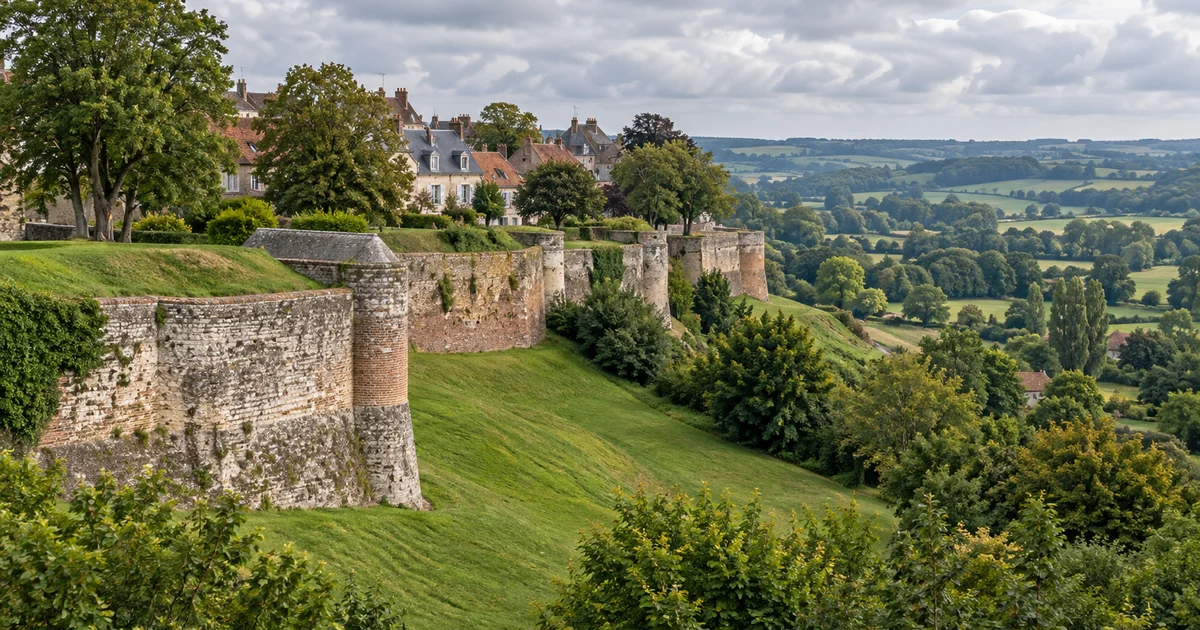
Perched on a spur dominating the valley of the Canche, Montreuil-sur-Mer is one of the most beautiful fortified towns in the north of France. Girded with ramparts, endowed with a citadel and an upper town full of charm, it appeals by its timeless atmosphere. Curiously, the town is no longer by the sea, silting having distanced it over the centuries. Immortalised by Victor Hugo in Les Misérables, Montreuil-sur-Mer offers an escapade rich in history, to be discovered from Arras. Let us set off to discover this fortified town, from its ramparts to its literary heritage.
Montreuil-sur-Mer, a fortified town
Montreuil-sur-Mer is a fortified town of the Pas-de-Calais, perched on a height dominating the valley of the Canche, in the hinterland of the Opal Coast. Its name can surprise, for the town is today no longer by the sea: the silting of the river and the retreat of the shore progressively distanced it, leaving it several kilometres from the coast. This situation, inherited from its history, makes all the paradox of this town that still carries the sea in its name. Montreuil-sur-Mer distinguishes itself by its ramparts, which gird the upper town, and by its citadel, witnesses of its rich military past. The town is part of a territory of charm, that of the Montreuillois, the hinterland of the Opal Coast: to discover this nearby coastal region, discover the Opal Coast presents the places and beaches of this remarkable coastline. Montreuil-sur-Mer, with its preserved atmosphere and its heritage, constitutes a destination of choice for an escapade from Arras. A town of art and history, it offers an exceptional setting, between ancient stones and cobbled lanes. Its dominant position, its fortifications and its character make it a town apart, appreciated by visitors. To discover Montreuil-sur-Mer is to plunge into the history of a town that has crossed the centuries. This fortified town, close to Arras, is worth the detour for its heritage and its charm.
A thousand-year history
The history of Montreuil-sur-Mer stretches over more than a thousand years, from its medieval origins to our days. The town finds its origin in a small fortified monastery, established as early as the ninth century on this strategic height. In the Middle Ages, Montreuil knew great prosperity, serving notably as a maritime port for the Capetian kings, a role it retained until the beginning of the thirteenth century. This port function made its wealth and its importance, before the silting of the river caused its decline as a port and distanced it from the sea. The town also knew the vicissitudes of conflicts, as in 1537, when it was sacked by the troops of Charles V. A border position and a stronghold, Montreuil was at the heart of the military stakes of the region, which explains its successive fortifications. Its history, marked by medieval prosperity then by ordeals, can still be read in its stones and its monuments. The town, which was an important place, retained its character of a fortified town over the centuries. To understand this thousand-year history allows one to grasp the heritage richness of Montreuil-sur-Mer. Each era left its imprint on the town, from the monastic origins to the modern fortifications. This long history, made of grandeur and ordeals, makes Montreuil-sur-Mer a town charged with memory. To discover its past illuminates the visit of its ramparts and its monuments.
The ramparts and the upper town
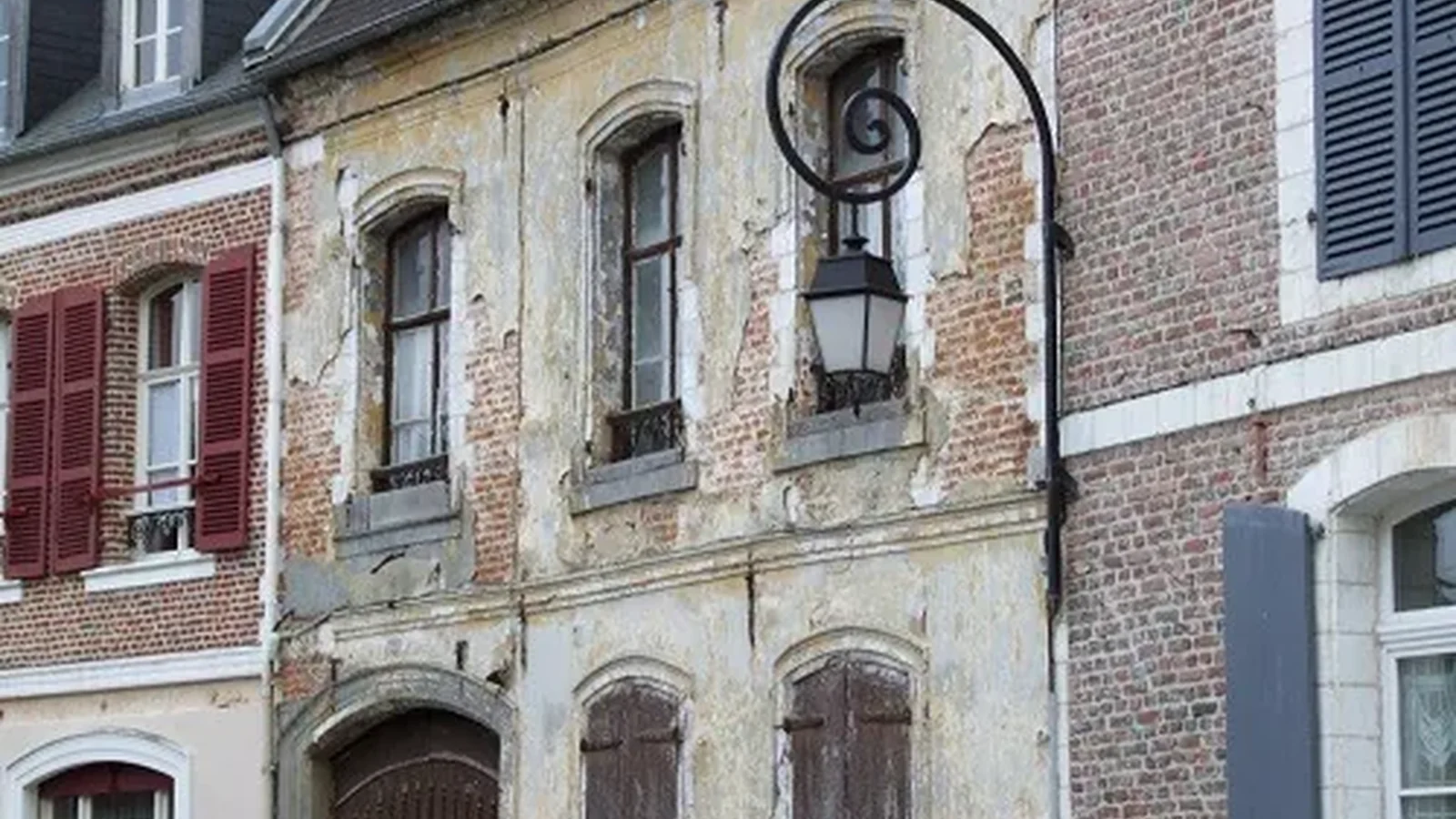
The ramparts of Montreuil-sur-Mer constitute one of its major attractions, offering a unique walk around the upper town. These fortifications, which gird the town over several kilometres, result from centuries of military developments, under different kings and engineers. To walk the sentry path of the ramparts allows one to make the tour of the town, while enjoying remarkable views over the valley of the Canche and the surrounding countryside. This walk, at once patrimonial and scenic, offers an ideal way to discover the town and its setting. The upper town, protected by these walls, retains a preserved charm, with its cobbled lanes, its ancient houses and its quiet squares. To stroll in these streets is to go back in time, in a timeless atmosphere that has appealed to many visitors and artists. The ramparts and the upper town form a coherent ensemble, witness of the military past and of the life of the town. The quality of this heritage has earned Montreuil-sur-Mer recognition for its historical and architectural interest. To walk on the ramparts, discovering the upper town, is one of the not-to-be-missed experiences of a visit. This fortified heritage, remarkably preserved, makes Montreuil-sur-Mer an exceptional town. The ramparts, guardians of the upper town, thus offer a journey through history and a striking panorama.
| Element | To discover |
|---|---|
| The ramparts | A tour of the town on the sentry path |
| The citadel | Fortress and museum |
| The upper town | Cobbled lanes and ancient houses |
| Les Misérables | In the footsteps of Victor Hugo |
The citadel
The citadel of Montreuil-sur-Mer dominates the town, testifying to its role as a stronghold over the centuries. This fortress, whose defences were reinforced at different eras, notably by the military engineer Vauban at the end of the seventeenth century, illustrates the strategic importance of the town. Its walls, its towers and its defensive works offer a remarkable example of military architecture, to be discovered over the course of the visit. During the First World War, the citadel again played a role, serving as headquarters to the British staff, which inscribes the place in the history of the conflict. Today, the citadel shelters a museum, which presents notably a collection of art and historical pieces, enriching the visit. To explore the citadel is to walk through the vestiges of a long military history, from the medieval fortifications to the more recent developments. The military heritage of Montreuil-sur-Mer is found moreover in other fortified towns of the region, rich in belfries and monuments: the discovery of the belfry of Calais illustrates the heritage richness of these towns of the North marked by history. The citadel of Montreuil, by its architecture and its history, constitutes a not-to-be-missed site of the visit. It also offers viewpoints over the town and its surroundings, completing the walk on the ramparts. To discover the citadel is to understand the military role of the town and to admire a fine example of fortification. This monument, the heart of the defensive system of Montreuil-sur-Mer, deserves an attentive visit.
In the footsteps of Victor Hugo
Montreuil-sur-Mer owes part of its renown to Victor Hugo and his novel Les Misérables. The writer visited the town in 1837, staying only a few hours, but this visit durably marked his work. Hugo indeed chose to set an important part of Les Misérables in Montreuil-sur-Mer, placing there one of the major episodes of the novel. It is in this town that the character of Jean Valjean, under a borrowed identity, becomes a respected notable and even mayor of the town, before his past catches up with him. This literary link makes Montreuil-sur-Mer an emblematic place for lovers of Hugo's work. To stroll in the town is to walk in the footsteps of Jean Valjean, imagining the scenes of the novel in this preserved setting. The town maintains and enhances this literary heritage, which contributes to its appeal and its renown. The lanes, the ramparts and the squares of the town evoke the atmosphere of the novel, offering an immersion in the universe of Les Misérables. This link with Victor Hugo adds a cultural and novelistic dimension to the visit of Montreuil-sur-Mer. To discover the town from this angle enriches the experience, by mixing heritage and literature. In the footsteps of Victor Hugo, Montreuil-sur-Mer reveals itself as a novel's setting, charged with history and imagination.
The Les Misérables show
The link between Montreuil-sur-Mer and Les Misérables continues each summer through a great sound-and-light show. This event, which takes place within the citadel, stages the famous novel of Victor Hugo, bringing its characters and its episodes back to life in an exceptional historical setting. The show, carried by many volunteers and actors, offers a living and spectacular reconstruction of the work, in the very setting that inspired it. This event, having become an unmissable rendezvous of the summer, attracts many spectators each year, come to attend this moment of theatre and memory. The sound-and-light show of Les Misérables illustrates the attachment of the town to its literary heritage, which it celebrates and passes on through this show. To attend this performance, within the setting of the citadel, constitutes a memorable experience, combining history, literature and living spectacle. The event contributes to the influence of Montreuil-sur-Mer, by bringing to life the unique link that unites it with Hugo's work. The show, by its scale and its setting, offers an original way to discover the town and its heritage. It perpetuates the memory of Les Misérables, by bringing it back to life each summer in the citadel. This summer rendezvous, popular and moving, is one of the highlights of the cultural life of the town. To discover Montreuil-sur-Mer on the occasion of this show offers a particularly striking experience.
Strolling in the town
To stroll in Montreuil-sur-Mer is a pleasure in itself, so much does the town breathe charm and authenticity. The cobbled lanes, lined with ancient houses, invite one to walk and to discover, along the squares and picturesque corners. The Cavée Saint-Firmin, the little squares and the alleys offer charming perspectives, in a preserved atmosphere that appeals to visitors. The town, human-sized, is ideally discovered on foot, by taking the time to admire its heritage and to breathe in its atmosphere. The ramparts offer a complementary walk, with their views over the countryside, while the upper town concentrates the architectural treasures. Montreuil-sur-Mer also has churches, monuments and houses of character, which mark out the stroll. The town, appreciated by artists and lovers of beautiful villages, offers a setting conducive to relaxation and contemplation. Its restaurants, its shops and its charming addresses complete the experience, for a successful escapade. To stroll in Montreuil-sur-Mer is to let oneself be carried by the atmosphere of a timeless town, between history and the gentleness of living. This walk, without imposed itinerary, reveals the charms of the town along the way. To take the time to stroll is thus the best way to savour Montreuil-sur-Mer and its heritage.
Discovering Montreuil-sur-Mer from Arras
Montreuil-sur-Mer constitutes an ideal escapade from Arras, for a day of discovery in the Pas-de-Calais. Located a few dozen kilometres from the Arras town, it is easily accessible and offers a complete change of scene, between ramparts, history and charm. Arras, by its central position in the region, constitutes an excellent starting point to radiate out and explore the treasures of the surroundings: Arras between metropolises and European borders illustrates this privileged situation, which puts many destinations within reach of a visit. An excursion to Montreuil-sur-Mer allows one to complete the discovery of Arras with that of another remarkable town of the region. The proximity of the two towns invites one to combine their visit, for a stay rich in heritage. Montreuil-sur-Mer, with its ramparts, its citadel and its literary heritage, offers an exceptional day, to be lived at the rhythm of the stroll. From Arras, the excursion is easy and rewards the visitor with the discovery of a fortified town full of charm. To explore the surroundings of Arras is thus to open oneself to the heritage richness of the Pas-de-Calais and the Hauts-de-France. Montreuil-sur-Mer figures among the not-to-be-missed destinations during a stay in the region. This escapade, between history and beauty, ideally prolongs the discovery of Arras. To set off to discover Montreuil-sur-Mer from Arras is thus an invitation to a journey through time.