History of Arras in France
-
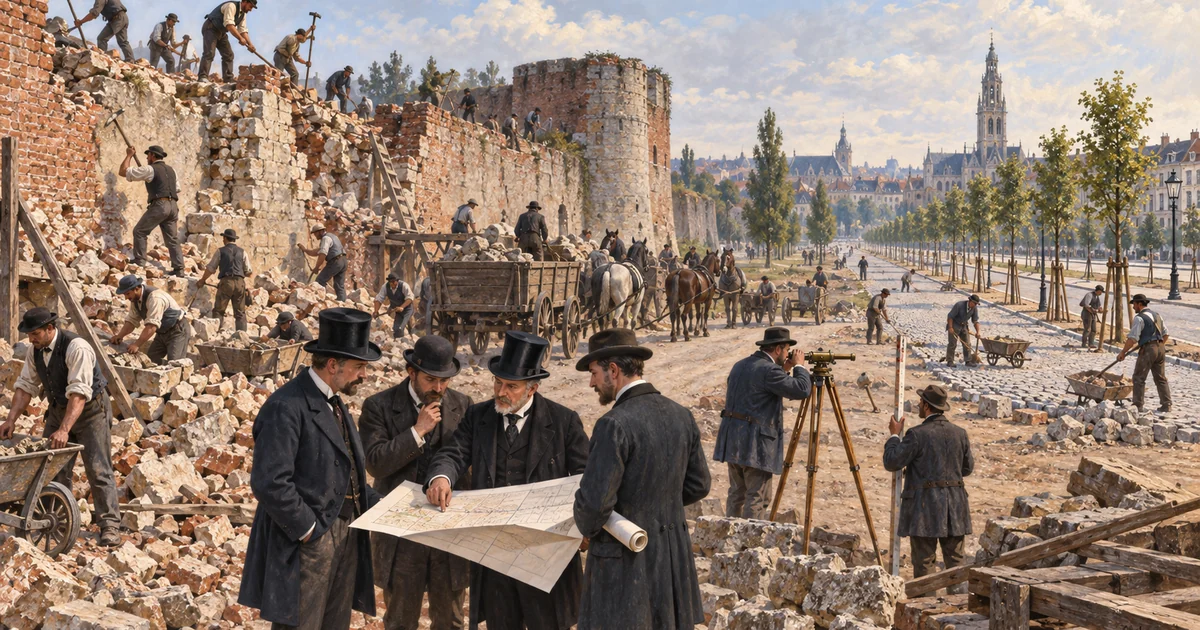
Émile Legrelle: how did the mayor open Arras by tearing down its ramparts?
In the second half of the nineteenth century, mayor Émile Legrelle had the ramparts of Arras torn down. The closed town became an open town: boulevards, gardens and expansion replaced the walls.
-
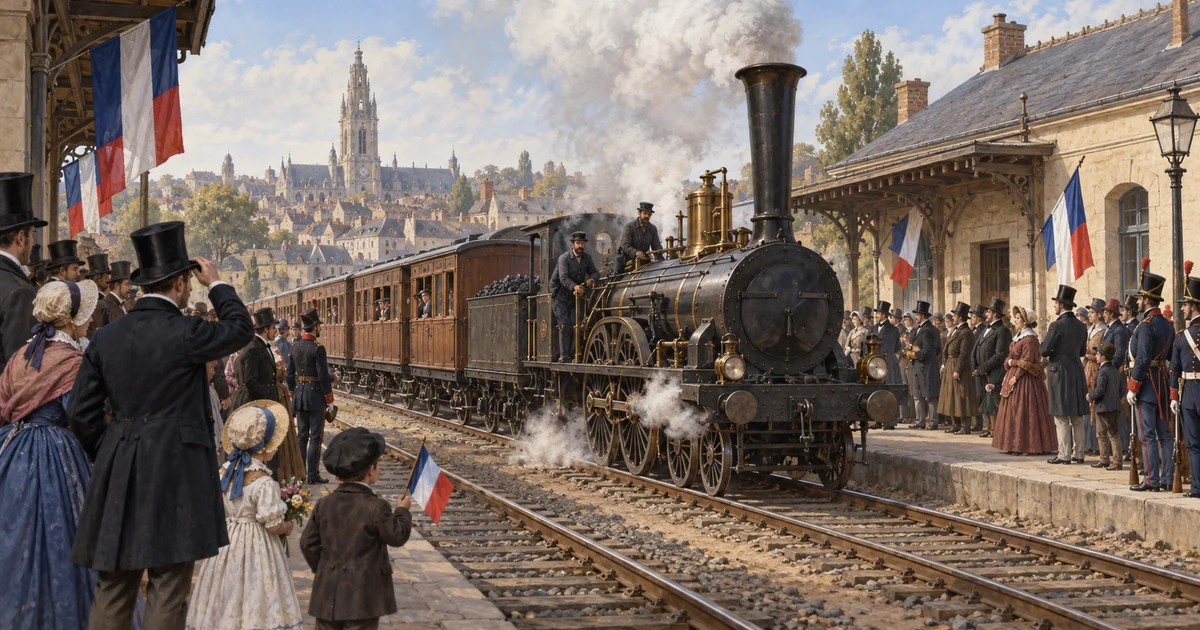
The railway in Arras: how did the arrival of the train in 1846 transform the town?
In 1846, the train arrives in Arras with the Paris-Lille line of the Compagnie du Nord. Rail transforms the economy, mobility and development of the town, opened onto the world.
-
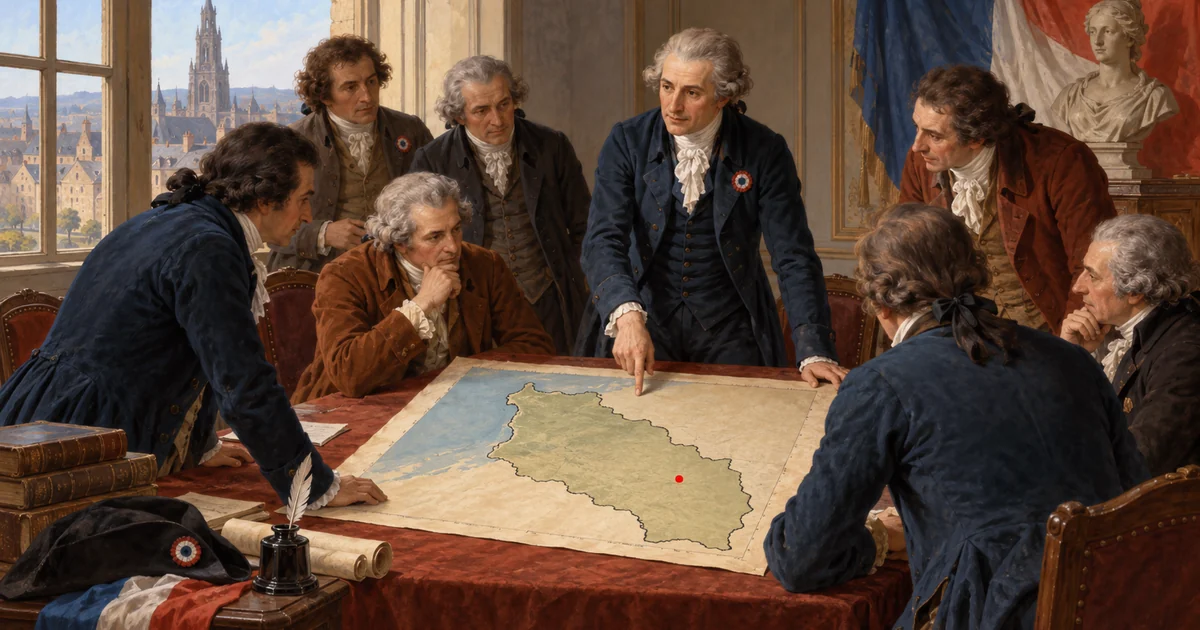
Arras capital: how was the department of the Pas-de-Calais born in 1790?
In 1790, the Revolution creates the departments. The Pas-de-Calais is born from the Artois and neighbouring lands, and Arras, former provincial capital, becomes quite naturally its capital.
-
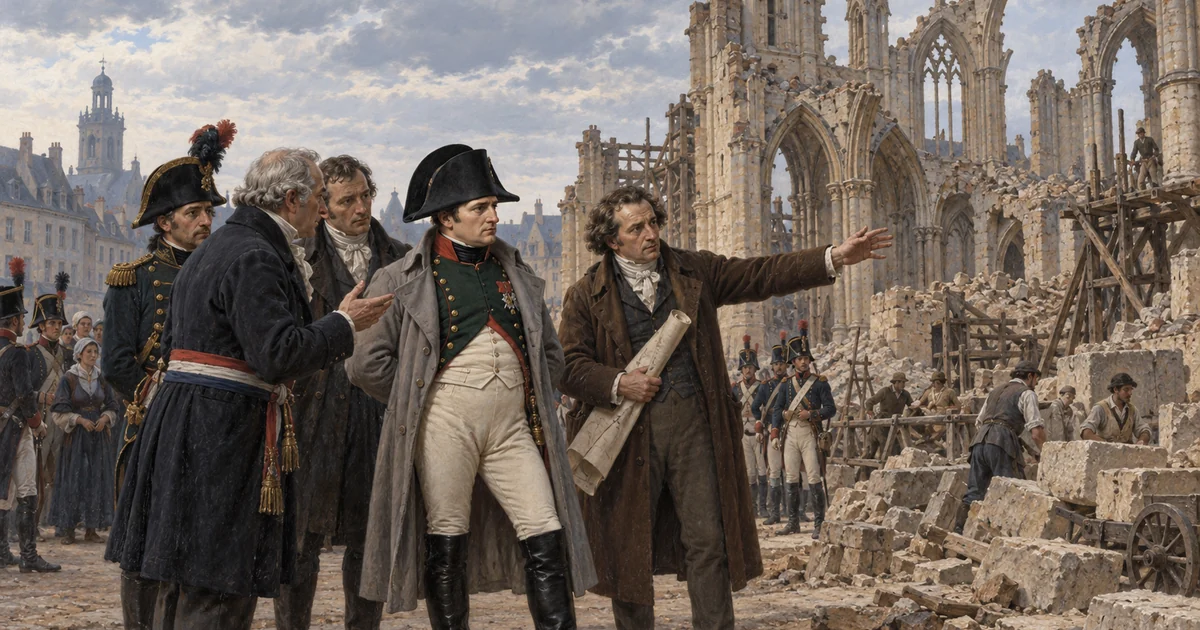
Napoleon in Arras: how did the Notre-Dame-en-Cité cathedral disappear?
Closed during the Revolution then demolished at the turn of the nineteenth century, the Gothic Notre-Dame-en-Cité cathedral disappeared from Arras. In 1804, Napoleon passed through the reorganising town.
-
Augustin and Charlotte Robespierre: who were Maximilien's brother and sister?
Augustin and Charlotte Robespierre shared with Maximilien the orphaned childhood in Arras. Augustin died with him in 1794; Charlotte, the survivor, left precious memoirs.
-
Joseph Le Bon: how did the Terror fall upon Arras in 1793-1794?
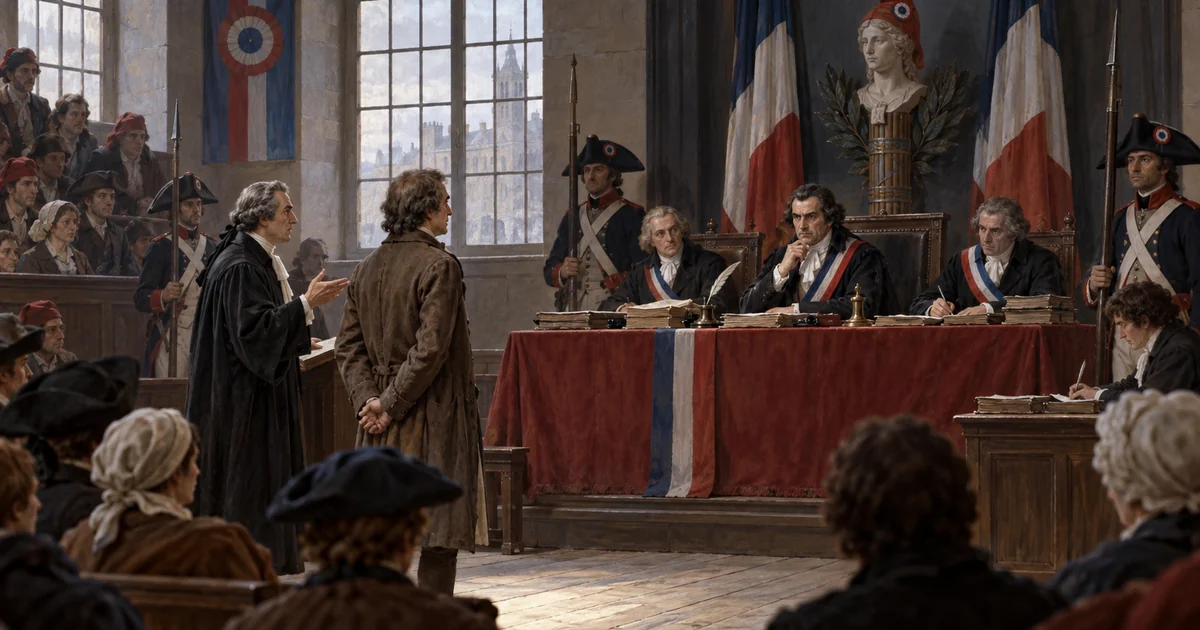
A child of Arras and former priest, Joseph Le Bon was the representative on mission who organised the Terror in the Artois. A rigorous look back at this dark episode of 1793-1794.
-
Robespierre lawyer in Arras: who was the man before the Revolution?
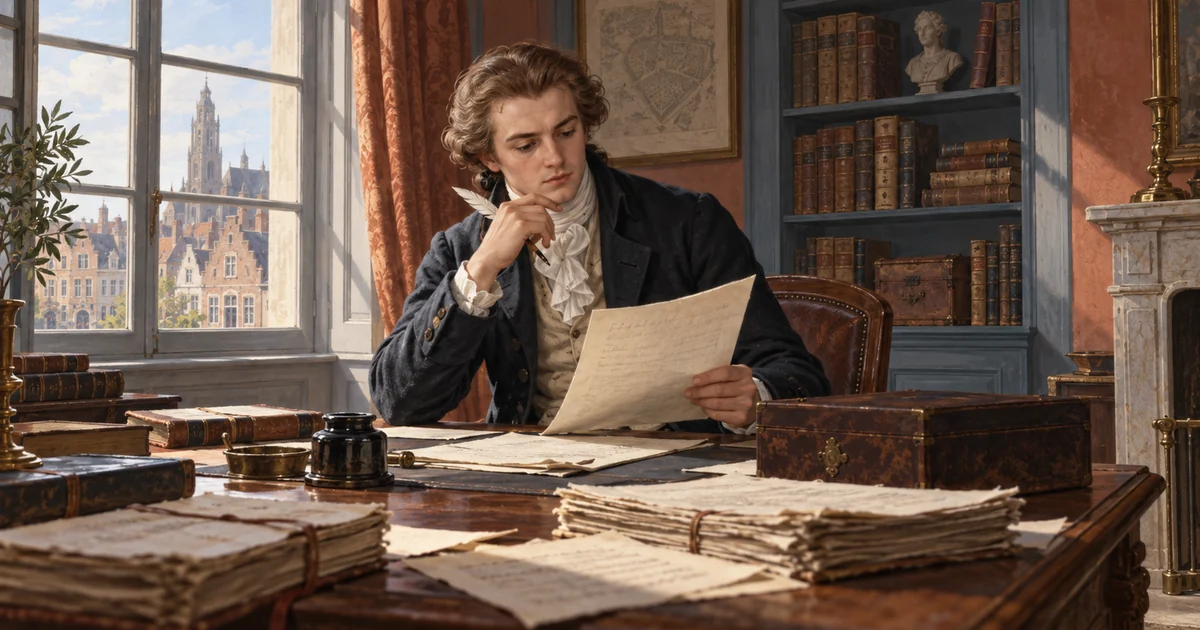
Before the Revolution, Robespierre was a lawyer in Arras, his native town. Trained at Louis-le-Grand, defender of the lightning rod, academician and Rosati: a look back at his Arras years.
-
The theatre of Arras in the eighteenth century: how did the town acquire an Italian-style stage?
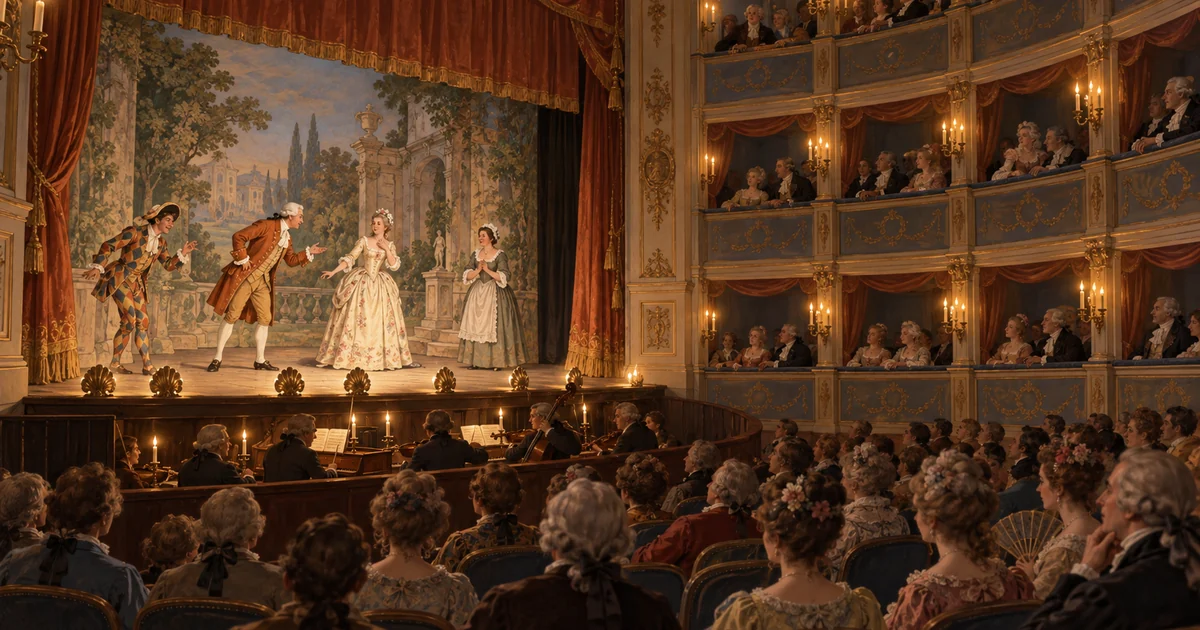
In the eighteenth century, Arras acquired an elegant Italian-style theatre. Comedies, tragedies and operas gathered a society enamoured of spectacle, in a theatrical tradition born in the Middle Ages.
-
The private mansions of Arras: what did aristocratic eighteenth-century Arras look like?
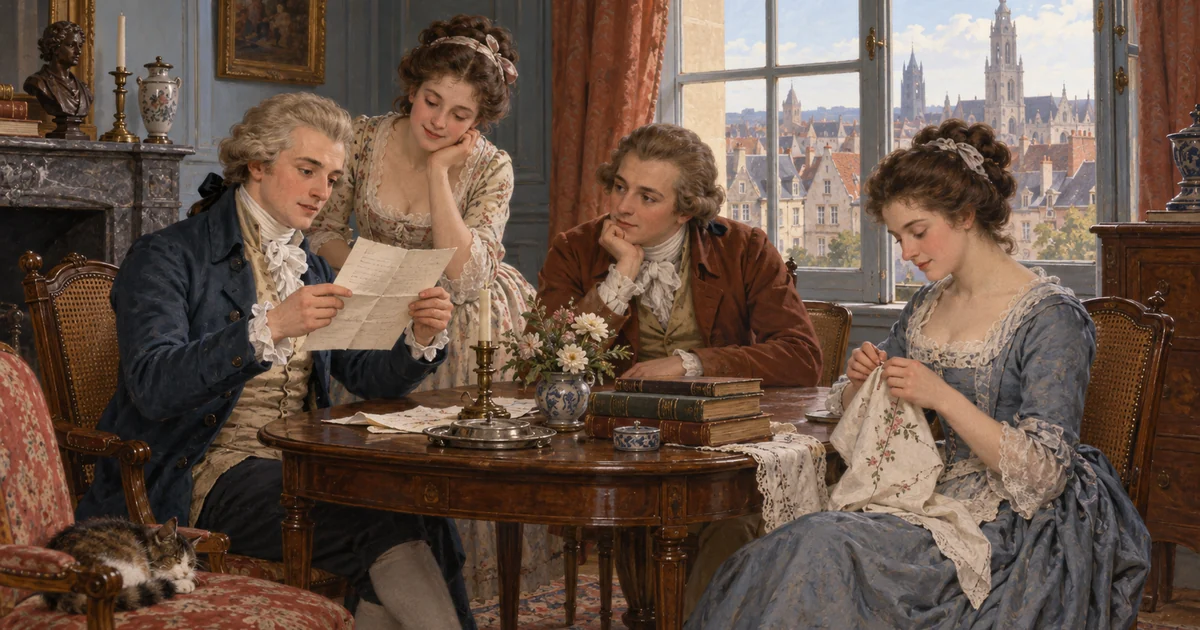
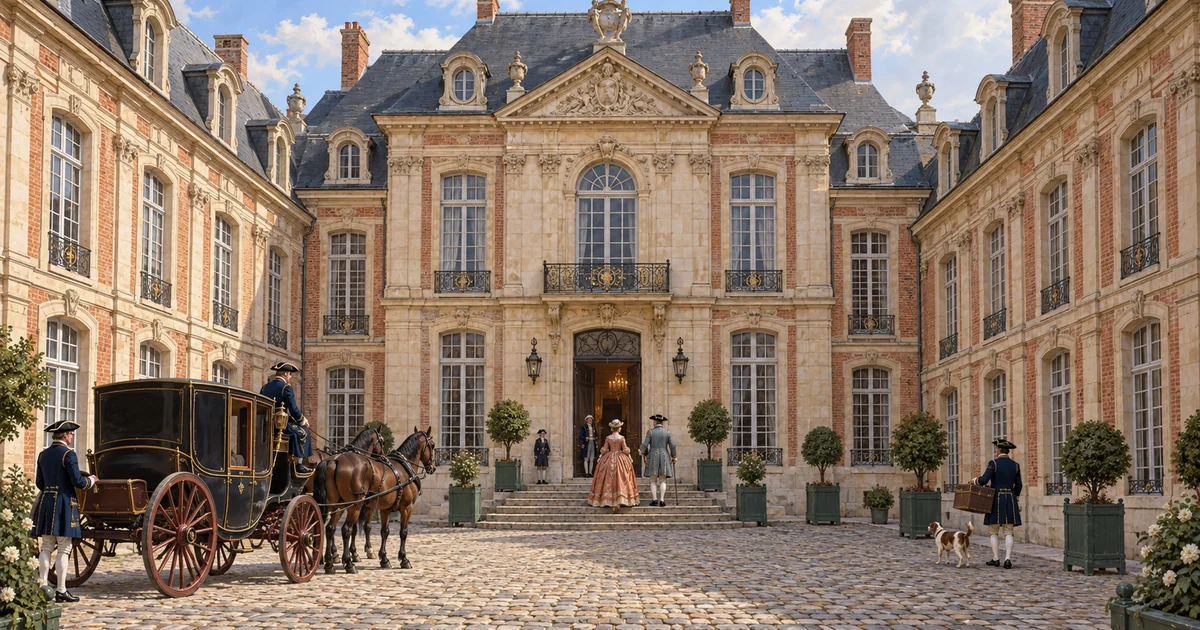
In the eighteenth century, the nobility and bourgeoisie of Arras built fine private mansions of brick and stone, like the hôtel de Guînes, witnesses of a refined art of living.
-
The Academy of Arras: how did Dubois de Fosseux make the scholars shine in the century of the Enlightenment?
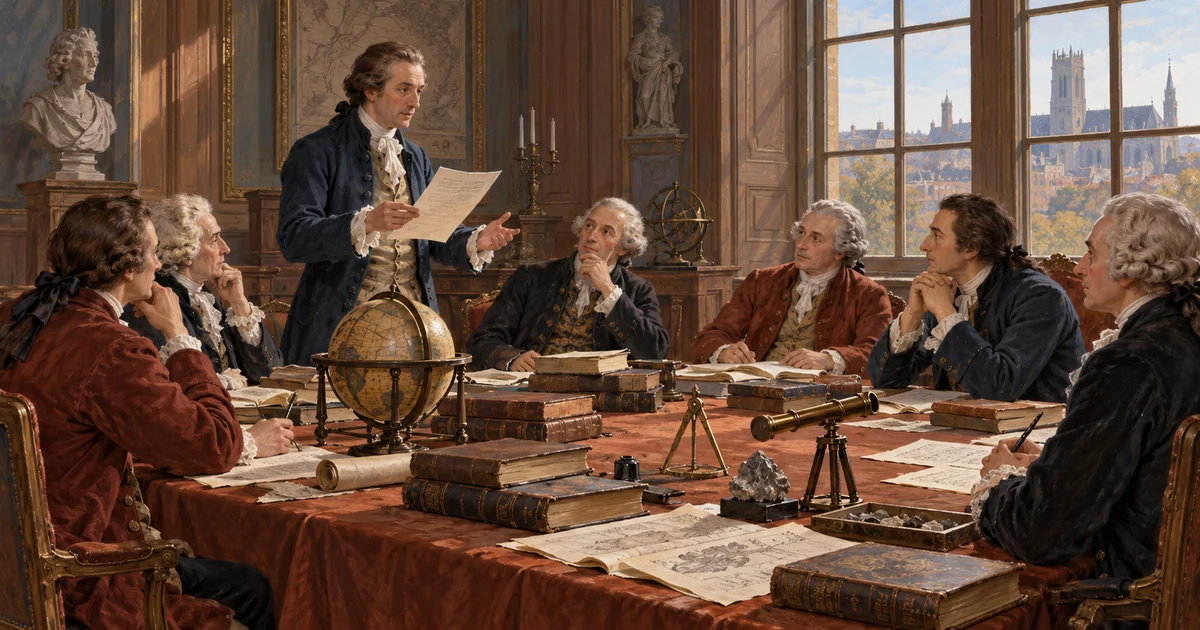
Founded in 1737, the Academy of Arras gathered the scholars of the Enlightenment. Its secretary Dubois de Fosseux and his correspondence made it an intellectual crossroads; Robespierre was its director.
-
The Rosati of Arras: who were these poets of the rose and friendship in the century of the Enlightenment?
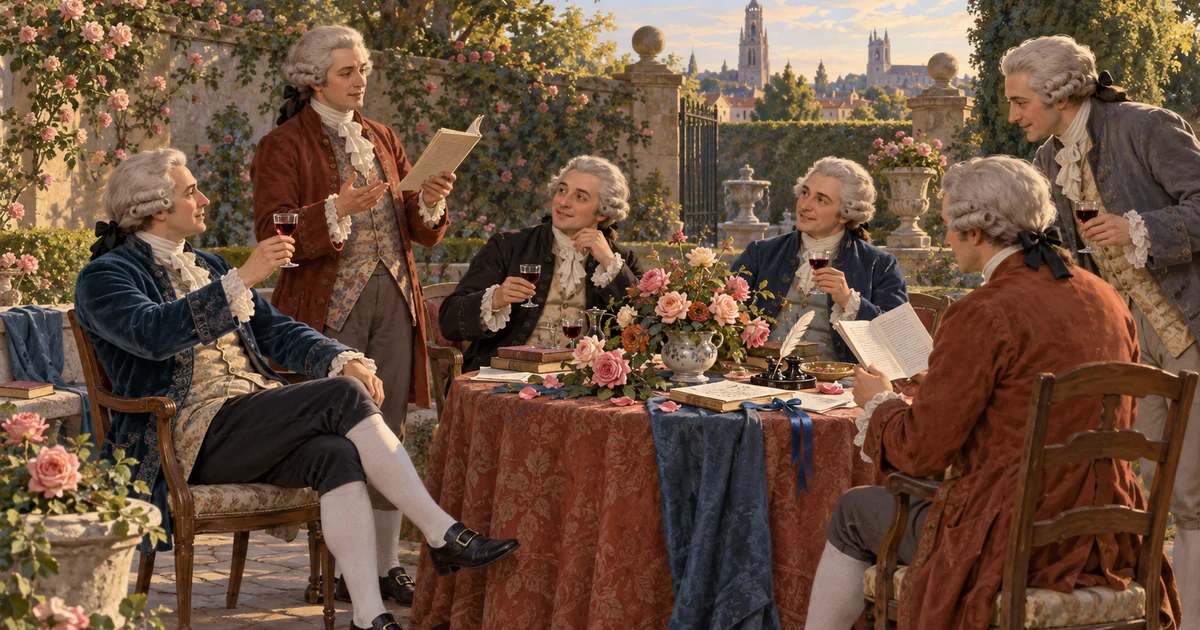
Founded in 1778 near Arras, the Rosati celebrated the rose, wine and friendship. Robespierre and Carnot were members of this amiable poetic society of the Enlightenment.
-
The union of the Ville and the Cité: how did Arras become a single town in 1749?
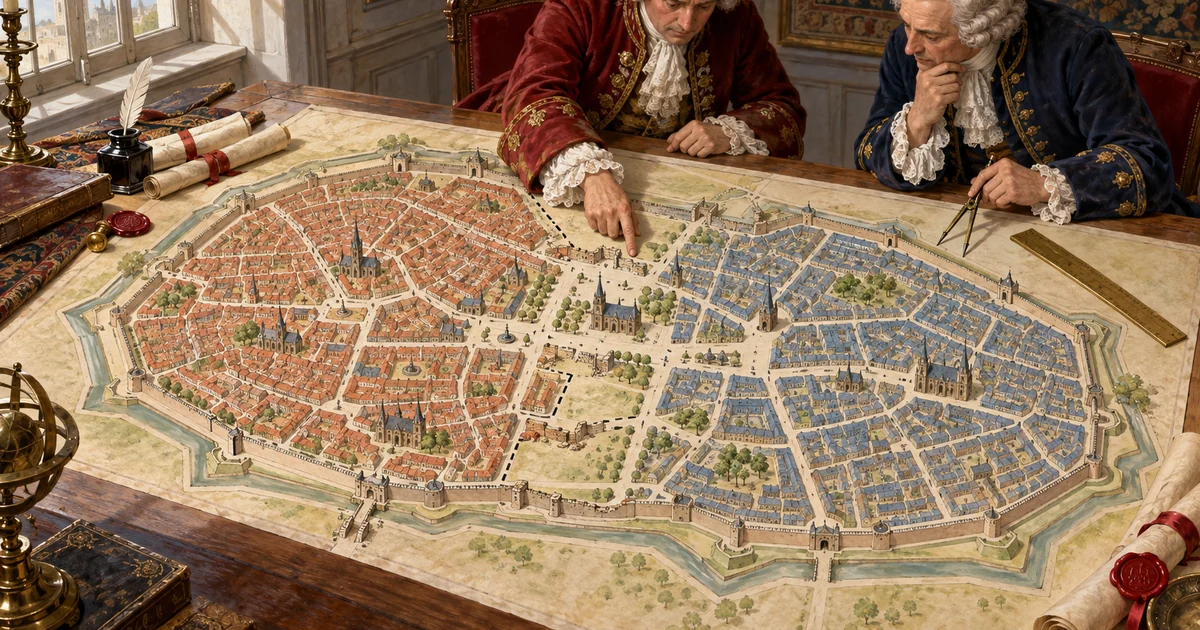
For over a thousand years, Arras was two towns: the episcopal Cité and the merchant Ville. In 1749, a royal edict at last united them into a single municipality.