History of Arras in France
-
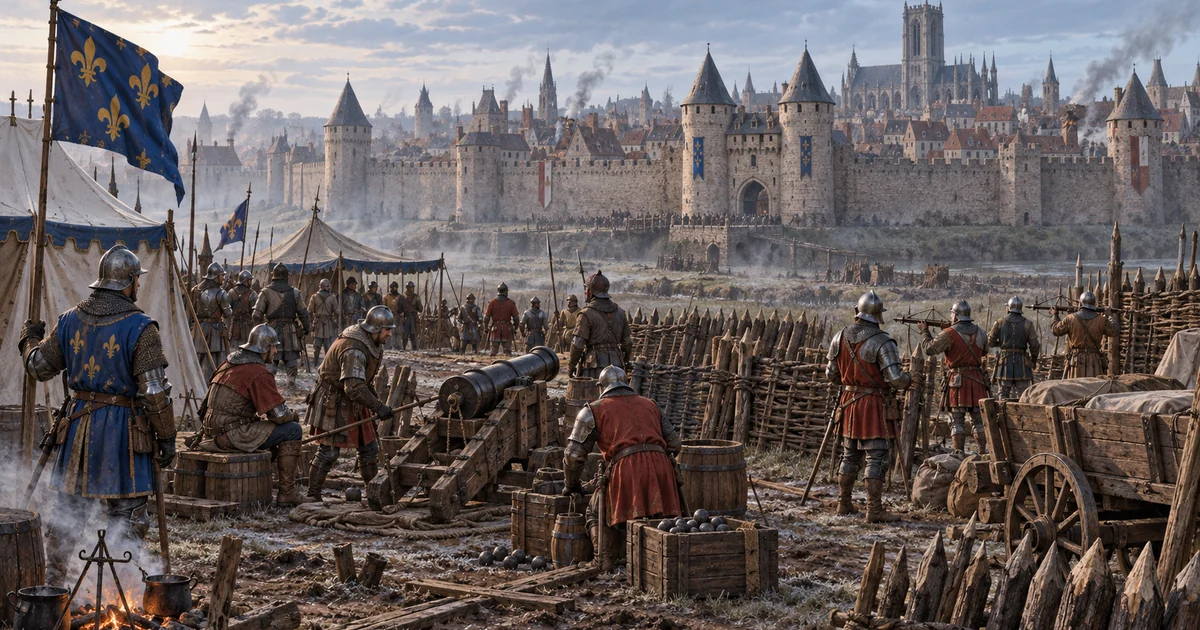
The siege of Arras of 1414: how did the town resist?
In 1414, the royal army besieges Arras, a Burgundian stronghold, during the civil war of the Armagnacs and Burgundians: the town's resistance and the Peace of Arras.
-
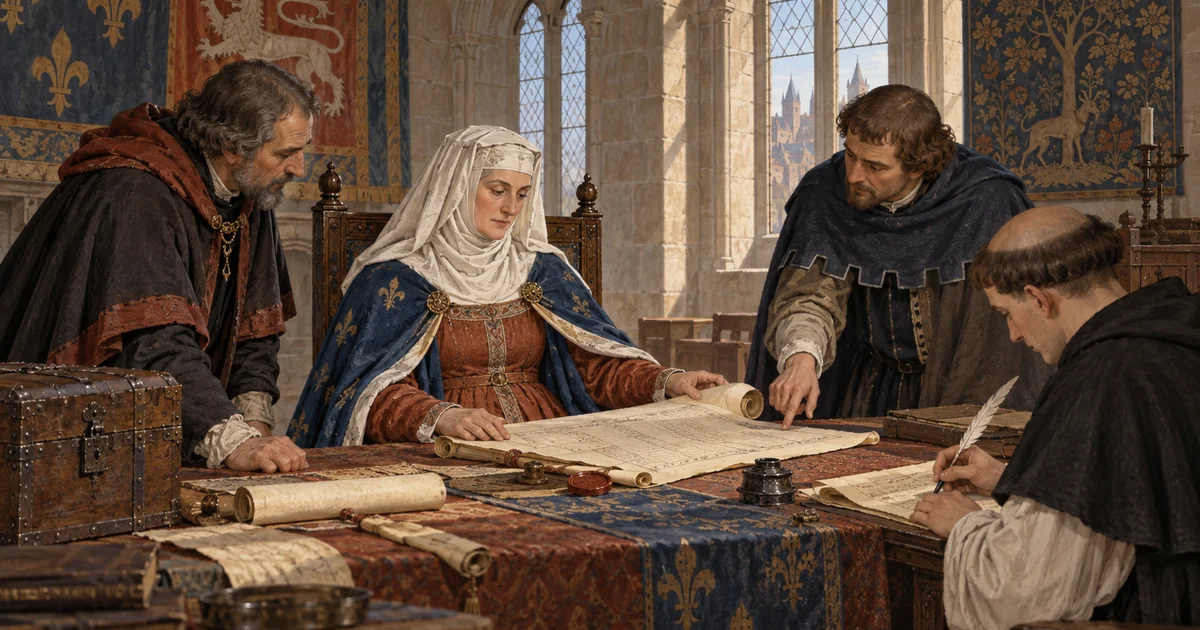
Mahaut of Artois: who was the building countess of Arras?
Mahaut of Artois, countess of Arras from 1302 to 1329: a woman of power, great builder and patron, mother of two queens, and the dark legend of the poison affair.
-
The Treaty of Arras of 1191: how did the town become French?
The Treaty of Arras of 1191 moved the town and the Artois from the county of Flanders to Philip Augustus's royal domain: a founding shift toward France.
-
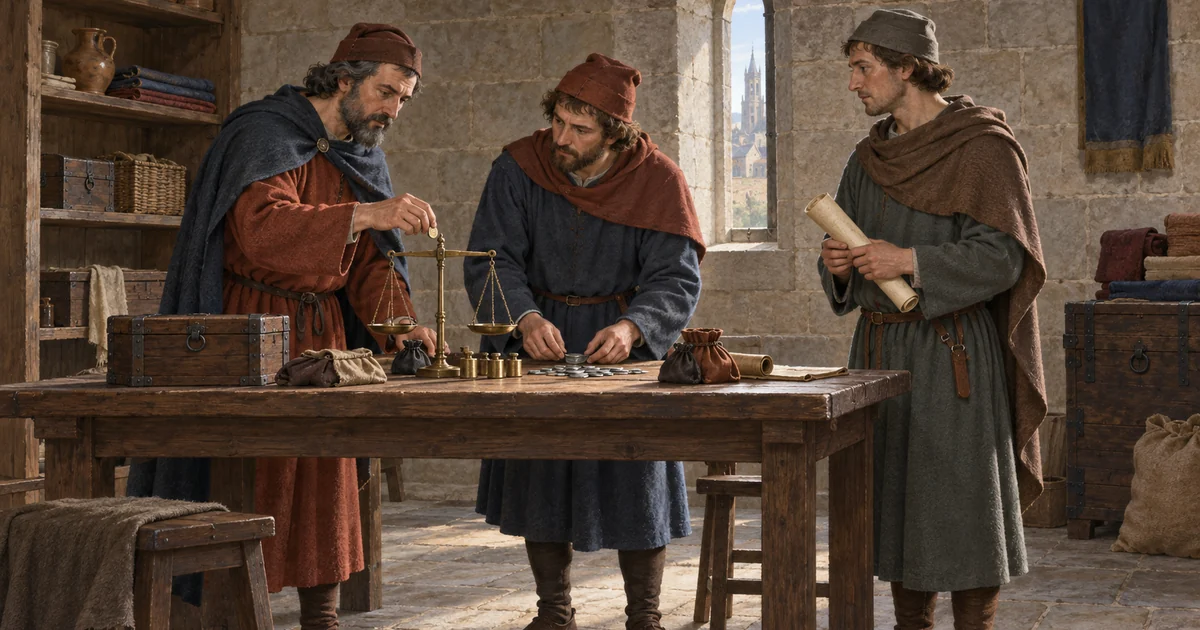
The bourgeoisie of Arras: how did the merchants become bankers?
The bourgeoisie of Arras in the Middle Ages: cloth merchants turned renowned bankers and lenders, an oligarchy in power and a patronage that nourished the arts.
-
The counts of Artois: who were Robert I and Robert II?
The counts of Artois: the apanage of 1237 that made Arras a capital, Robert I who died on crusade at Mansurah, Robert II fallen at Courtrai and the disputed succession.
-
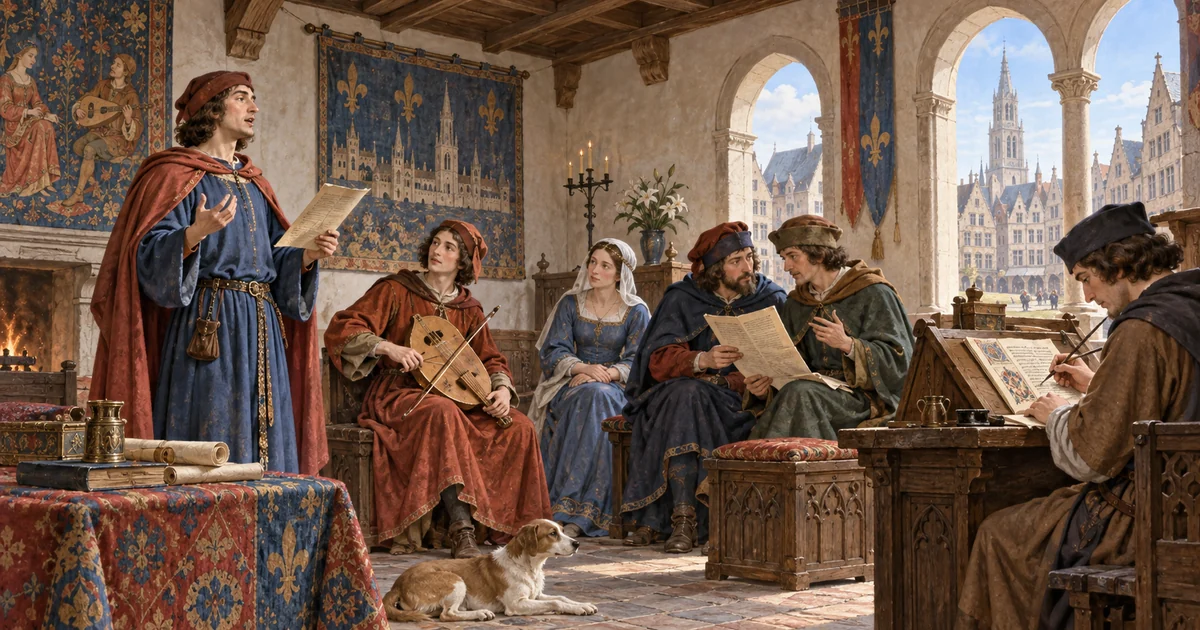
Arras, literary capital: why did the town reign over poetry in the 13th century?
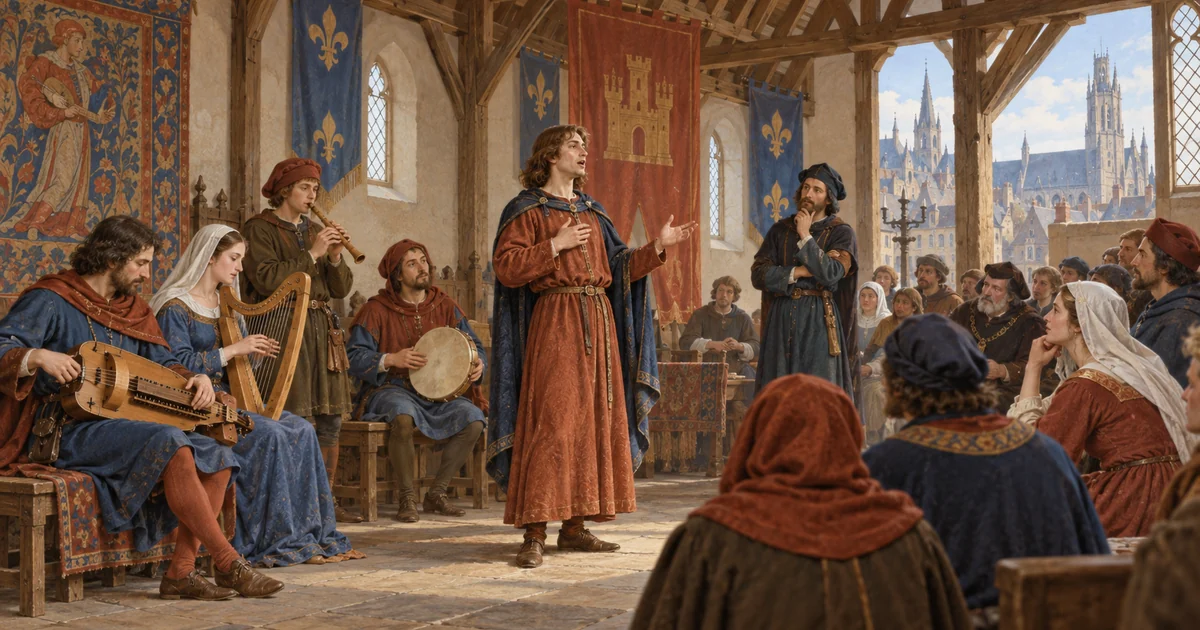
In the 13th century, Arras was the greatest French-language poetic centre: the trouveres, the jeux-partis, theatre, the songbooks and the reasons for a literary miracle.
-
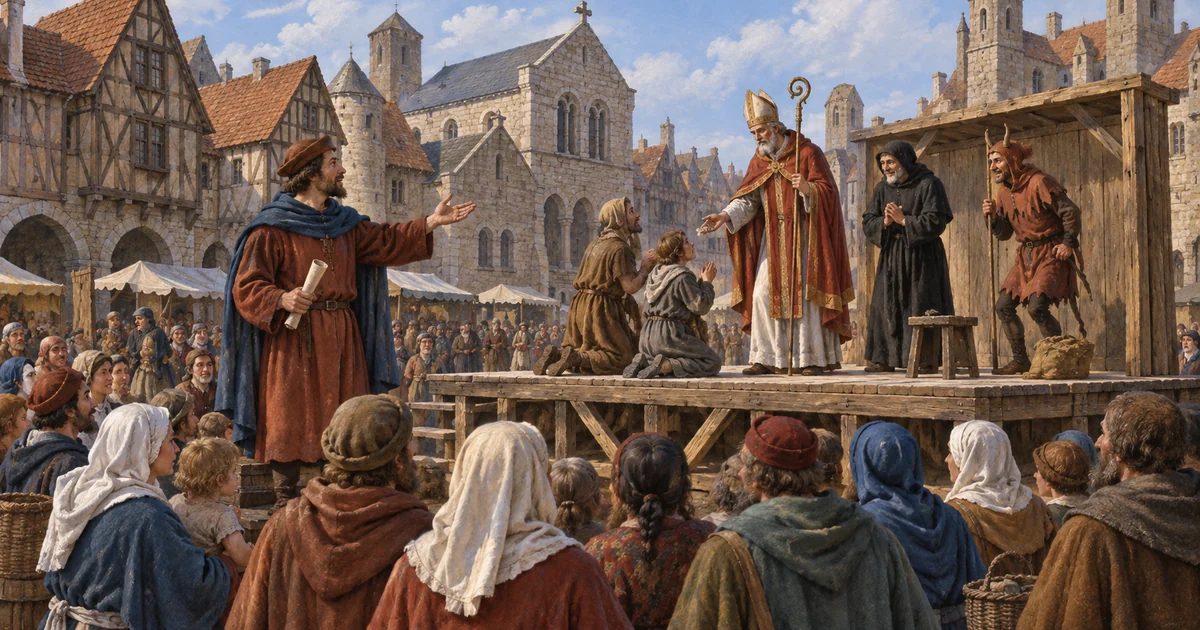
Jean Bodel: how did an Arras trouvere invent secular theatre?
Jean Bodel, trouvere of Arras around 1200: the Jeu de saint Nicolas at the origins of secular theatre, the Chanson des Saisnes, the Congés and a destiny marked by illness.
-
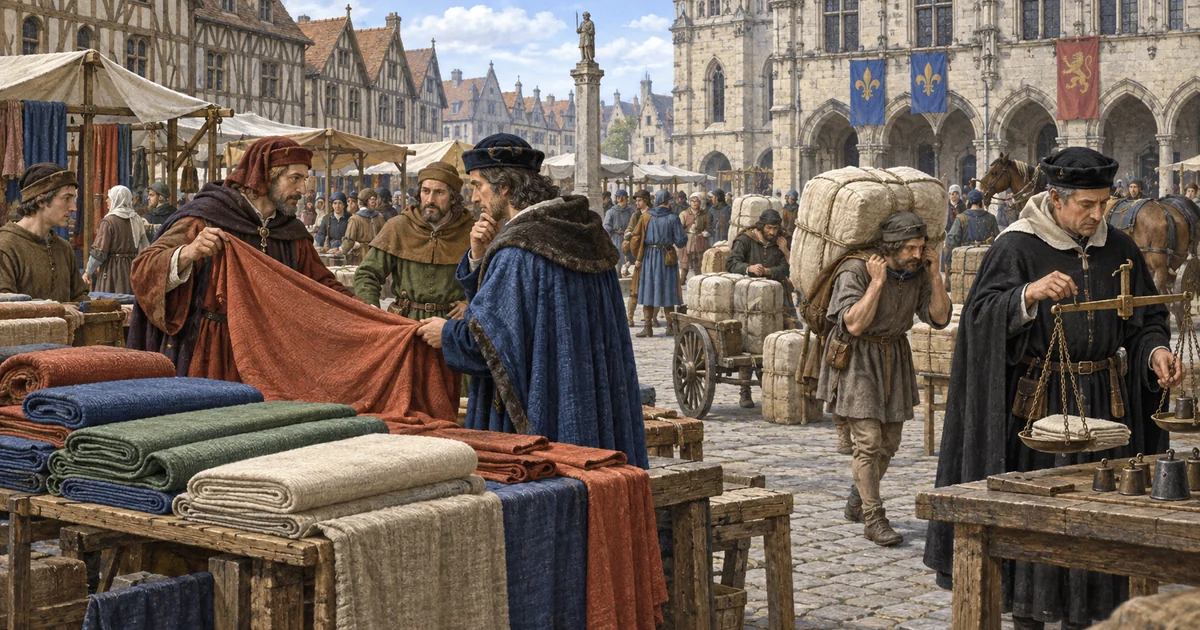
The drapery of Arras: how did cloth make the town's fortune?
The drapery of Arras, a woollen-cloth industry, made the medieval fortune of the town: wool, the trades, the fairs, the bourgeoisie and the decline of textiles.
-
The Puy of Arras: why was the town the capital of the trouveres?
In the 13th century, the Puy of Arras and its confraternity of jongleurs and burghers made the town the capital of the trouveres: poetry contests, great names and patronage.
-
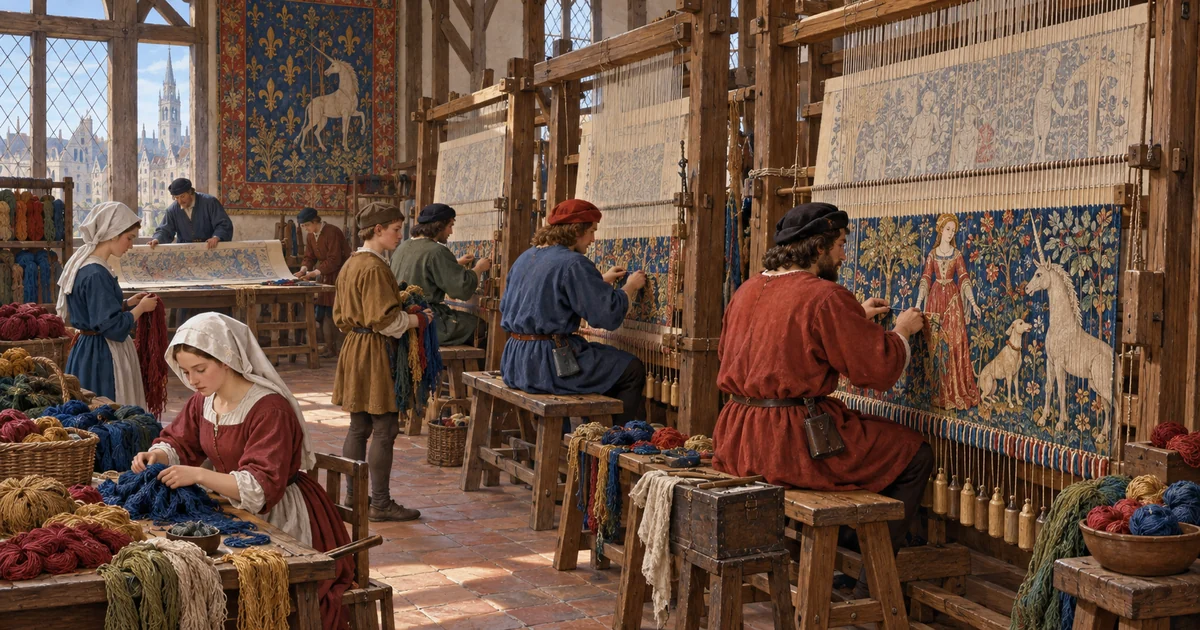
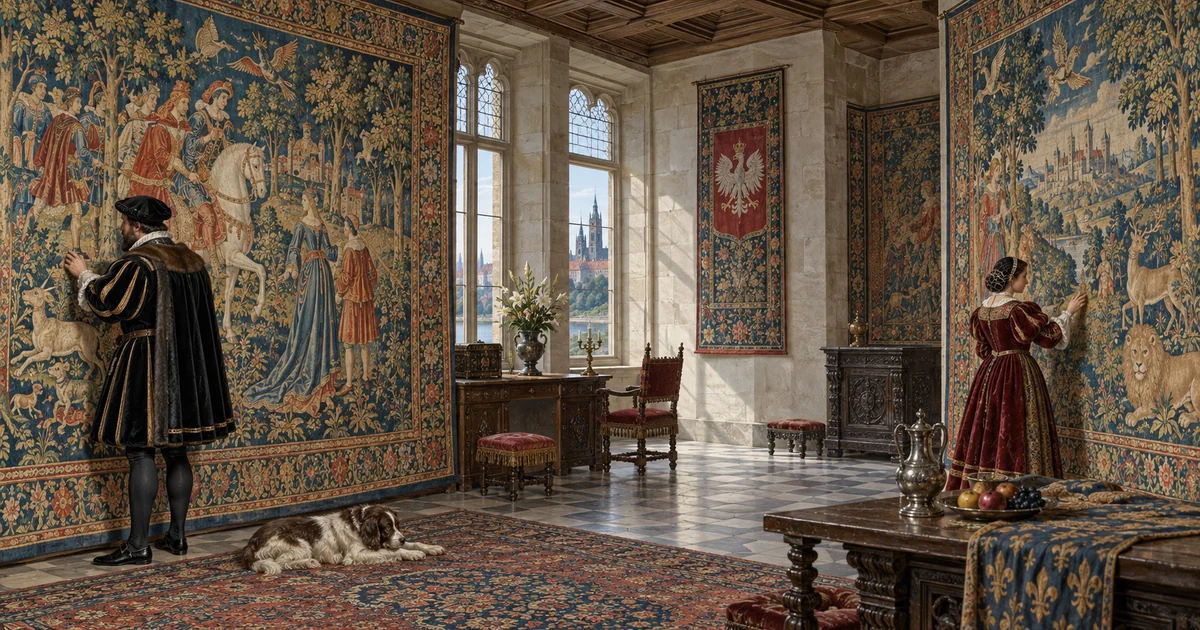
The tapestries of Arras: why did 'arras' mean the hanging?
In the 14th-15th centuries, the tapestries of Arras were so famous that the word arras meant the hanging in Europe: peak, princely courts, workshops and decline.
-
The arras of Wawel: why do the tapestries of Krakow bear the name of Arras?
At Wawel castle in Krakow, the royal tapestries are called arrasy, from the name of Arras: the treasure of Sigismund Augustus, the Flemish workshops and the legacy of a name.
-
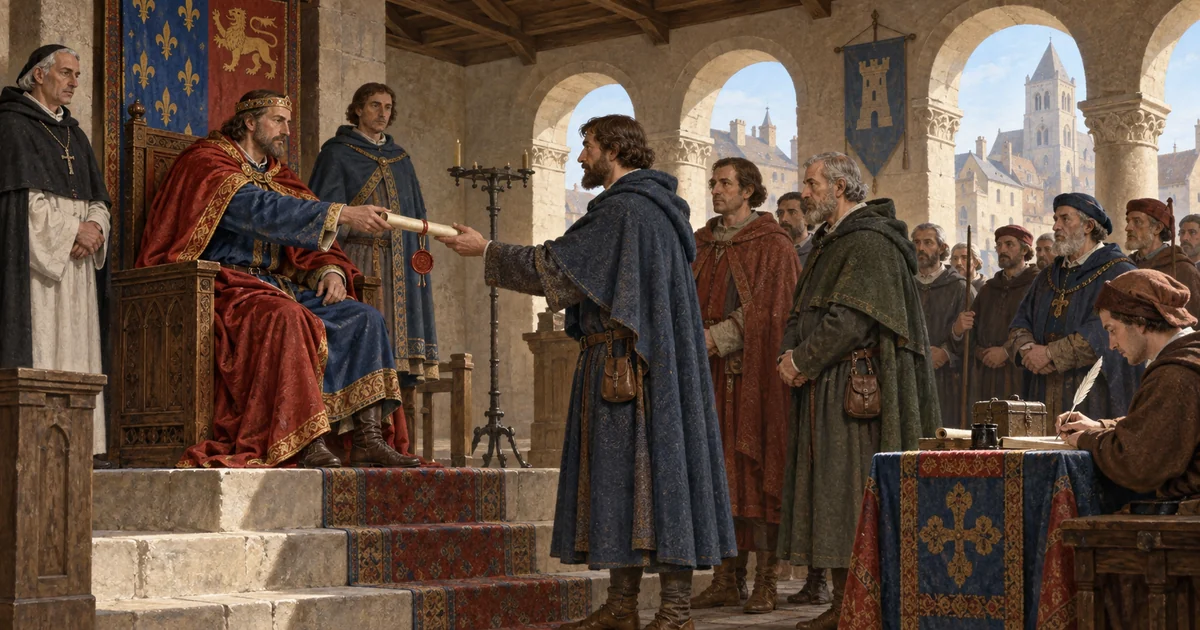
The communal charter of 1163: how did Arras win its autonomy?
Around 1163, the communal charter recognised the liberties of Arras: the Flemish communal movement, the aldermen, the belfry and the power of the bourgeoisie.