
The Exhibition of the North of France: how did Arras put itself on display in 1904?
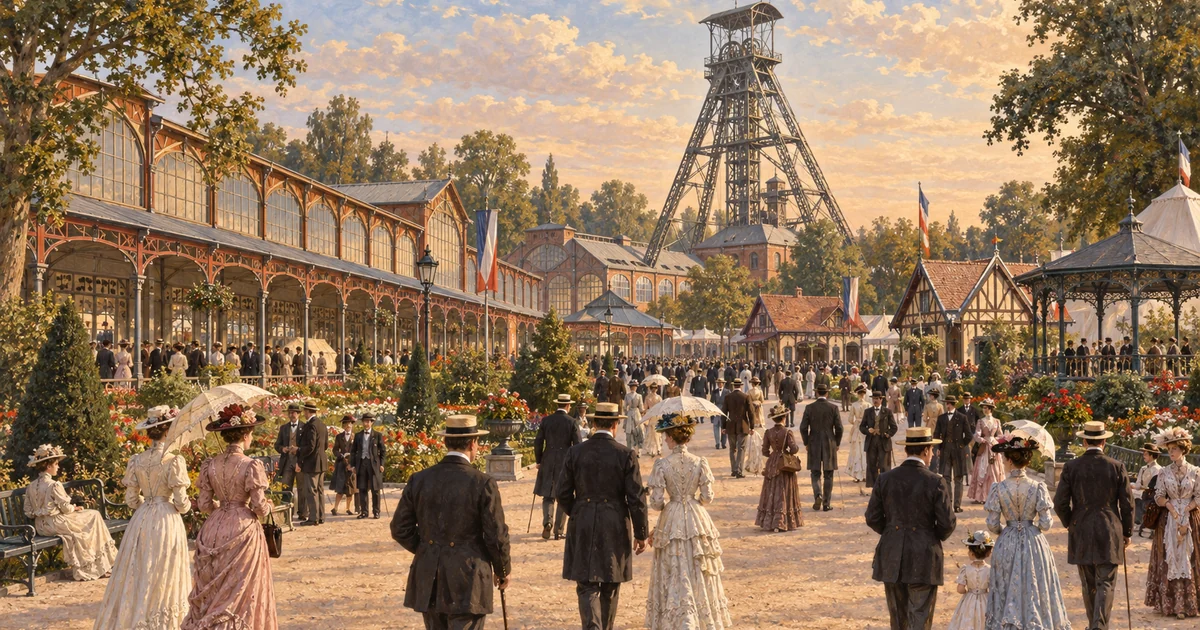
In 1904, Arras put itself on display by hosting a great regional exhibition, the Exhibition of the North of France. During the Belle Époque, these events honoured the industry, agriculture, trade and arts of a region, in a spirit of progress and pride. For Arras, a town now open and well connected by rail, this event was the occasion to show its dynamism and to shine. A look back at this exhibition which, for the space of a season, made the Artesian city the capital of a whole region come to celebrate progress and work.
Arras during the Belle Époque
At the turn of the twentieth century, Arras lived the peaceful and prosperous hours of the Belle Époque. Freed from its ramparts by Émile Legrelle and open onto the outside, the town had known in the nineteenth century a profound modernisation, marked by the arrival of the railway and urban expansion. This period, between the end of the nineteenth century and the First World War, was that of a certain optimism, carried by faith in progress, sciences and techniques. Arras, prosperous capital of the Pas-de-Calais, took part in this dynamic, strong in its trade, its agriculture and its administrative role. The town, well connected to the great centres thanks to rail, was inscribed in the circuits of exchange and benefited from the transformations of the era. This prosperity and this optimism created a climate favourable to great events, festivals and celebrations of progress. The Belle Époque was indeed a period of exhibitions, fairs and events that showcased the achievements and ambitions of towns and regions. Arras, with its recovered dynamism, was well placed to host this type of event. The town, open and modern, desirous of asserting its rank and its influence, found in the organisation of a great exhibition the occasion to showcase itself. It is in this context of prosperity and optimism, characteristic of the Belle Époque, that the Exhibition of the North of France of 1904 was prepared. To understand the atmosphere of this period allows one to grasp the spirit in which this exhibition was conceived and received. Arras, during the Belle Époque, was a town confident in the future, proud of its achievements and desirous of showing them, and the exhibition of 1904 was to offer it the perfect occasion.
The regional exhibitions
The Exhibition of the North of France belonged to a well-established tradition of the era: that of the regional exhibitions. Inspired by the great universal exhibitions which, throughout the nineteenth century, had celebrated progress and gathered nations, these regional events declined the same principle on the scale of a province or a region. Their aim was to showcase the achievements and resources of a territory, in the domains of industry, agriculture, trade, arts and techniques. These exhibitions were at once economic showcases, occasions for festivity and manifestations of local pride. They attracted a wide public, come to discover the novelties, admire the products and inventions, and take part in the festivities that accompanied them. For the towns that hosted them, they represented a major event, a source of prestige and influence, but also a considerable organisational challenge. Spaces had to be arranged, pavilions built, exhibitors mobilised and visitors attracted. These regional exhibitions knew a great success during the Belle Époque, a period particularly favourable to this type of event, carried by optimism and faith in progress. They testified to the vitality of the regions and their desire to assert their place in a France in full transformation. To host such an exhibition was for a town an honour and an opportunity, the occasion to place itself at the centre of attention and to demonstrate its dynamism. To understand the phenomenon of the regional exhibitions allows one to grasp the significance of the Exhibition of the North of France at Arras. This event belonged to a national and even international movement of celebration of progress and work, of which the exhibitions were the most brilliant expression, and which found at Arras, in 1904, one of its regional realisations.
The Exhibition of the North of France at Arras (1904)
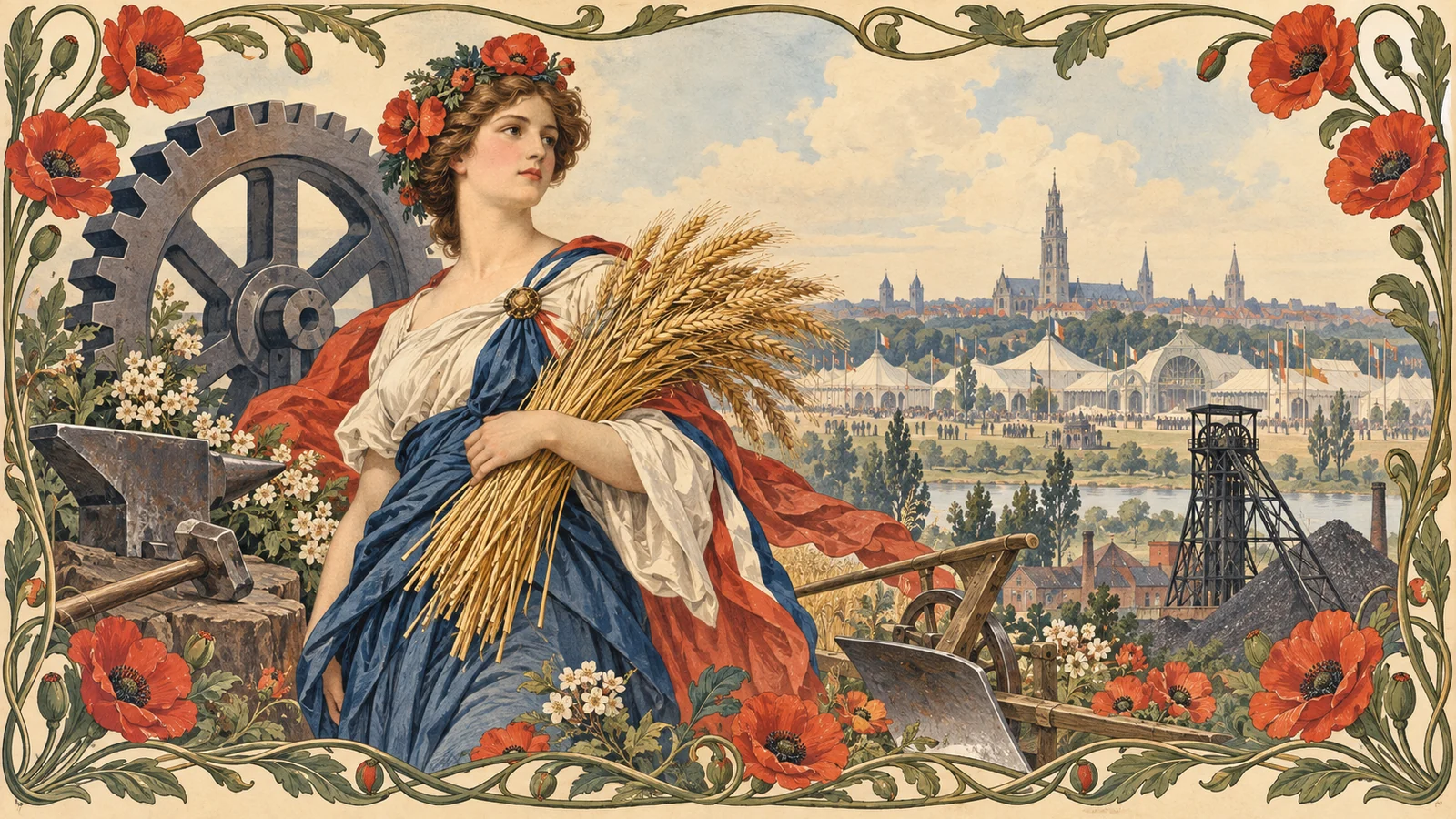
It is in 1904 that Arras hosted the Exhibition of the North of France, a great regional event that made the town, for the space of a season, the centre of attention of the whole region. This exhibition gathered the achievements and productions of the North of France, in a celebration of work, industry and progress. It mobilised the town, which had to arrange spaces and build the necessary installations to accommodate exhibitors and visitors. The event was the occasion for Arras to demonstrate its dynamism and its capacity to organise an event of scope. The exhibition attracted a numerous public, come from the town, the region and beyond, curious to discover the novelties and to take part in the festivities. It showcased the riches and know-how of the region, in the most diverse domains. This event belonged to the influence of the town and contributed to its prestige. It testified to the vitality of Arras during the Belle Époque and to its desire to assert its rank. The Exhibition of the North of France of 1904 thus constitutes a marking event of the history of the town, a moment when Arras staged itself and shone over a whole region. It illustrates the spirit of the era, made of optimism, pride and faith in progress. To understand this exhibition allows one to grasp an unknown aspect of the history of Arras, that of a dynamic and confident town, capable of hosting a great regional event. The exhibition of 1904 was a moment of pride and influence for Arras, the occasion to show the region and the country the achievements and ambitions of a city in full growth, before the Great War came to upheave this world of the Belle Époque.
A town on display
The Exhibition of the North of France made Arras a veritable regional showcase, highlighting the achievements and resources of the North. The exhibitors presented there their products, their inventions and their know-how, in the domains of industry, agriculture, trade and arts. The exhibition offered a panorama of the riches of the region, allowing the public to discover the diversity and vitality of the activities of the North of France. One admired there the products of industry, the machines and new techniques, but also the agricultural products of the rich Artesian region and the artistic and artisanal creations. This showcasing of regional achievements answered the spirit of the exhibitions, which celebrated work and progress. Arras, in hosting this showcase, placed itself at the centre of the economic and cultural life of the region, asserting its role as departmental capital. The exhibition thus contributed to the influence of the town and to the showcasing of a whole territory. It offered the exhibitors an occasion to make themselves known and to promote their products, and the public the occasion to discover the novelties and riches of the region. This dimension of showcase was at the heart of the project of the exhibition, conceived as a celebration of the achievements of the North of France. In becoming a showcase, Arras asserted its dynamism and its central role in the region. The town demonstrated its capacity to gather and showcase the living forces of the territory, in an event to the measure of its ambitions. To understand this dimension of showcase allows one to grasp the function and significance of the exhibition. Arras, in 1904, became the mirror of the achievements and ambitions of a whole region, offering the public a panorama of work and progress, in the optimistic and confident spirit of the Belle Époque.
A popular event
The Exhibition of the North of France was also a great popular event, which gathered a wide public and gave rise to numerous festivities. Beyond its economic and showcase dimension, the exhibition was a festival, an occasion for gathering and rejoicing. It attracted the crowds, come to discover the stands and pavilions, but also to enjoy the entertainments, spectacles and diversions that accompanied the event. These exhibitions were indeed conceived as festive events, mingling the discovery of achievements with the pleasure of visitors. One came there as a family, among friends, to spend a pleasant moment as much as to instruct oneself and marvel. This popular dimension was essential to the success of the exhibitions, which had to attract the greatest number. The exhibition of Arras was no exception, offering the public an event at once instructive and entertaining. It contributed to the animation of the town and created a moment of festivity and gathering. This festive and popular dimension testified to the spirit of the Belle Époque, a period of rejoicing and celebrations. The exhibition was a moment of conviviality and sharing, where a whole population gathered to celebrate progress and work. It marked the life of the town and left a memory in the recollection of those who took part. To understand this popular dimension allows one to grasp the role of the exhibition in the social life of Arras. Beyond its function of economic showcase, the Exhibition of the North of France was a great moment of festivity, which gathered the population and animated the town, in the joyous and optimistic spirit of the Belle Époque, before the war came to darken this golden age.
| Marker | Detail |
|---|---|
| 1904 | Exhibition of the North of France at Arras |
| Era | The Belle Époque, between optimism and progress |
| Themes | Industry, agriculture, trade, arts |
| Spirit | Regional showcase and popular festival |
The role of the railway
The success of the exhibition owes much to the railway, which allowed the visitors to be conveyed to Arras. Without rail, an event of this scale, attracting a public come from the whole region, would have been hardly conceivable. The train, in linking Arras to the neighbouring towns and the great centres, facilitated the coming of the crowds and contributed to the success of the exhibition. The arrival of the railway in Arras, from 1846, had profoundly transformed the town and its accessibility, as the history of the arrival of the train in Arras recalls. In 1904, the town was well connected to the railway network, which allowed it to accommodate the visitors come to attend the exhibition. Rail was thus an essential factor of the success of this type of event, which rested on the influx of a wide public. The exhibitions of the Belle Époque were moreover inseparable from the development of transport, which made possible the gathering of important crowds. The railway, in democratising travel, had opened the way to these great gatherings. For Arras, railway service was therefore a decisive asset in the organisation and success of the exhibition. It allowed the town to accommodate a numerous public and to shine beyond its limits. To understand the role of the railway allows one to grasp the material conditions that made possible an event of this scale. The exhibition of 1904 thus illustrates the links between transport and the great events of the Belle Époque. The train, which had transformed Arras in the nineteenth century, also contributed to its influence at the turn of the twentieth century, by allowing the reception of the crowds come to celebrate progress on the occasion of the Exhibition of the North of France.
Arras and its influence
The Exhibition of the North of France contributed to the influence of Arras and to the assertion of its regional role. In hosting this event of scope, the town placed itself at the centre of attention and demonstrated its dynamism and its capacities. The exhibition highlighted Arras as a departmental capital and regional centre, confirming its importance. This event was the occasion for the town to assert its rank and to shine beyond its limits, attracting the attention of the region and the country. The influence of a town was then measured by its capacity to organise great events, and the exhibition of 1904 testified to the ambition and dynamism of Arras. This event belonged to a logic of prestige and promotion, aiming to showcase the town and its territory. It contributed to the image of Arras as a modern, dynamic and influential city, capable of raising itself to the rank of towns organising great events. This influence took part in the assertion of the town in the regional and national context. Arras, in hosting the exhibition, posed itself as the capital of the North of France, at least for the space of the event, and demonstrated its vitality. This dimension of influence was at the heart of the stakes of the exhibition, conceived also as an instrument of promotion and prestige. To understand the influence permitted by the exhibition allows one to grasp the stakes of this event for the town. Beyond its economic and festive dimension, the Exhibition of the North of France was for Arras an occasion to shine, to assert its rank and to demonstrate its dynamism, in a moment of pride and showcasing that marked the history of the town during the Belle Époque.
The legacy of the Exhibition
The Exhibition of the North of France of 1904 left a memory in the recollection of Arras, as a moment of pride and influence of the Belle Époque. If the temporary installations of the exhibition have long since disappeared, the event remains a testimony of the vitality of the town at the turn of the twentieth century. It recalls that Arras, before the ordeals of the Great War, knew a period of prosperity and optimism, marked by dynamism and confidence in the future. This exhibition belongs to the history of a town which, throughout the nineteenth century, had transformed and modernised itself, opening its ramparts and connecting itself to the great networks. The exhibition of 1904 was like the festive culmination of it, the celebration of an open, modern and influential town. Its memory contrasts with the ordeals that were to follow, when the First World War ravaged the town and put an end to the insouciance of the Belle Époque. The exhibition appears thus, retrospectively, as one of the last great moments of this happy period, before the tipping into the tragedy of the war. To remember the Exhibition of the North of France is to find again the image of a confident and prosperous Arras, such as it was before 1914. The town one could admire then, animated and open, around emblematic places such as the Place des Héros, was the fruit of the transformations of the nineteenth century. This legacy, that of a modern and dynamic town, shaped by a century of transformation, found in the exhibition of 1904 a brilliant illustration. To rediscover this event allows one thus to better understand the Arras of the Belle Époque, in all its vitality and confidence, before the ordeal of the war.